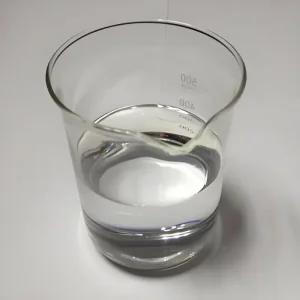
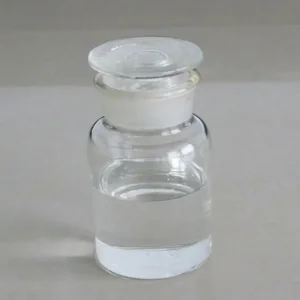
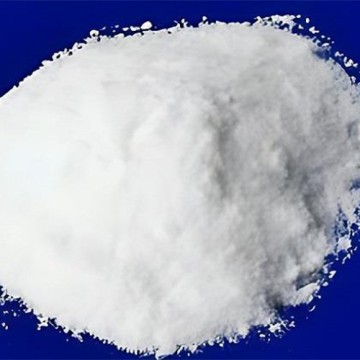
Comprehensive technical specifications and structural analysis of 2,4,6-Tri-(6-aminocaproic acid)-1,3,5-triazine (CAS 80584-91-4) manufactured in China.
2,4,6-Tri-(6-aminocaproic acid)-1,3,5-triazine (commonly referenced in industrial sectors as 6-Tri-(6-aminocaproic acid)-1 or TC-50 derivative) represents a symmetrical s-triazine carboxylic acid compound. The molecule combines a dense electron-rich triazine core with three terminal caproic acid aliphatic chains.
This structural architecture yields outstanding chemical stability, enabling the compound to form robust chemo-sorbed protective mono-molecular films across ferrous metal substrates. The terminal carboxylate functionalities facilitate strong interaction with aqueous matrix ions, delivering exceptional water solubility, extremely low foaming tendencies, and resilience against hard water precipitation.
Unlike traditional sodium nitrite or secondary amine-based rust inhibitors, 6-Tri-(6-aminocaproic acid)-1 produces zero toxic nitrosamines during high-temperature machining processes, aligning fully with stringent REACH and global environmental protocols.
| Parameter | Industrial Grade Specification |
|---|---|
| Chemical Name | 2,4,6-Tri-(6-aminocaproic acid)-1,3,5-triazine |
| CAS Number | 80584-91-4 |
| EINECS / EC No. | 279-505-5 |
| Molecular Formula | C21H36N6O6 |
| Molecular Weight | 468.55 g/mol |
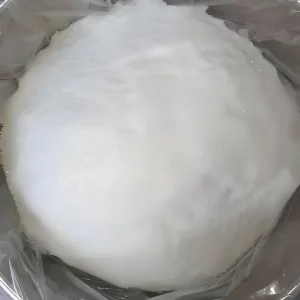
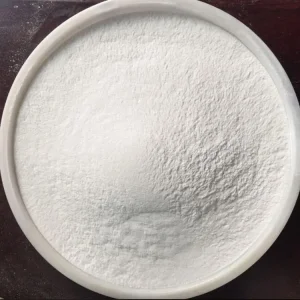
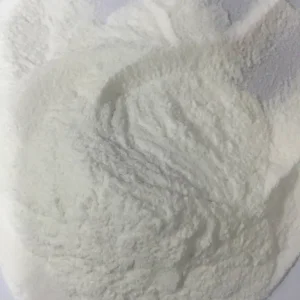
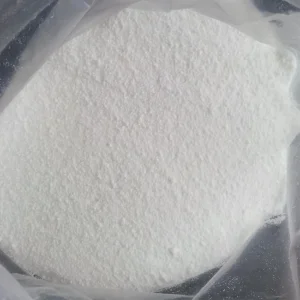
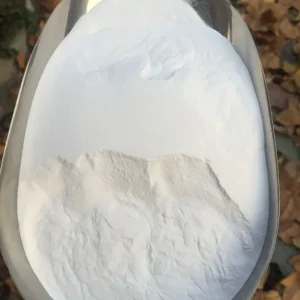
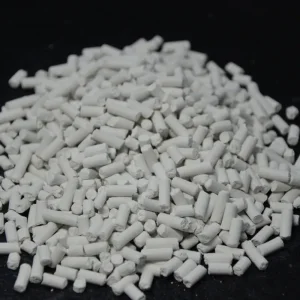
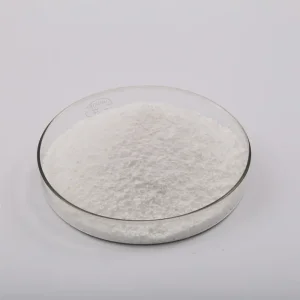
| Appearance | White to Off-White Crystalline Powder / Granules |
| Active Content (Assay) | ≥ 98.0% (Titrimetric / HPLC) |
| Water Solubility | Fully Soluble in Water (Neutralized with Alkanolamines) |
| Melting Point Range | 185°C – 192°C |
Combining 16+ years of chemical synthesis expertise with digital smart factory logistics in Shandong, China.
Established in 2010 and headquartered in the high-tech Chemical Industry Park of Jinan City, Shandong Province, JIMPOCHEM occupies over 500 acres of industrial production land. Our facility integrates automated continuous-flow synthesis units for triazine carboxylate derivatives, ensuring stable tonnage-scale output.
Adhering strictly to ISO9001 Quality Management and ISO14001 Environmental Management Systems, we enforce real-time PLC monitoring of synthesis parameters, batch-wise chromatographic analysis, and complete sample archiving. Every batch of 6-Tri-(6-aminocaproic acid)-1 comes with a detailed Certificate of Analysis (CoA).
As a designated chemical service provider, our enterprise delivers customized chemical solutions and bulk shipments to over 200 countries and regions across Europe, North America, Southeast Asia, the Middle East, and Oceania, partnering with more than 5,000 global corporate clients.
How 2,4,6-Tri-(6-aminocaproic acid)-1,3,5-triazine revolutionizes modern water-based industrial fluid engineering.
When neutralized with alkanolamines (such as Triethanolamine TEA, Monoethanolamine MEA, or AMP-95), 6-Tri-(6-aminocaproic acid)-1 dissolves completely into aqueous media to form water-soluble amine salts. Upon contact with cast iron, steel, and ferrous alloys, the electron pairs of the triazine ring and oxygen atoms of the carboxylate groups bond ionically to metal surface sites.
This creates a dense, microscopic passivating barrier layer that blocks oxygen diffusion and anodic metal dissolution, stopping flash rust and long-term electrochemical oxidation even under extreme ambient humidity.
Modern CNC machining, high-speed grinding, and automated automotive metalworking operations run under intense fluid delivery pressures (>50 bar). Traditional fatty acid carboxylate soaps suffer from severe foaming, causing cavitation and cooling degradation.
6-Tri-(6-aminocaproic acid)-1 exhibits near-zero foam volume creation. Its structural rigidity suppresses air entrainment, maintaining fluid clarity and preventing sump overflows without necessitating excessive silicone antifoam additives.
Industrial process water frequently contains high concentrations of calcium ($Ca^{2+}$) and magnesium ($Mg^{2+}$) ions, leading to hard water soap precipitation when using conventional rust inhibitors. 2,4,6-Tri-(6-aminocaproic acid)-1,3,5-triazine retains structural stability in water hardness levels exceeding 20 °dH (or up to 2000 ppm $CaCO_3$ equivalent).
This prevents filter clogging, sticky residue formation on machinery components, and fluid phase separation in fully synthetic (solution-type) metalworking fluids.
While optimized for ferrous metals (cast iron, carbon steel, alloy steels), 6-Tri-(6-aminocaproic acid)-1 acts as a versatile base matrix component. When combined with non-ferrous inhibitors like Benzotriazole (BTA) or Tolyltriazole (TTA), it delivers comprehensive multi-metal protection spanning copper, yellow metals, and aluminum alloys without chemical interference or staining.
Supply chain trends, market migration towards eco-compliant additives, and global sourcing economics.
Global regulatory bodies including the European Chemicals Agency (ECHA REACH) and US EPA have placed strict controls on traditional additives such as secondary amines (prone to forming carcinogenic nitrosamines), sodium nitrite, boric acid, and short-chain chlorinated paraffins.
6-Tri-(6-aminocaproic acid)-1 (CAS 80584-91-4) serves as the primary environmental alternative, meeting EU SVHC-free criteria and offering excellent biodegradability profile for sustainable green manufacturing.
China has evolved into the world's leading chemical manufacturing hub for triazine derivatives. Through upstream raw material integration (cyanuric chloride and caprolactam routes), advanced domestic chemical parks in Shandong provide unmatched cost-competitiveness and continuous supply continuity compared to European counterpart production plants.
Industrial chemical buyers face challenges regarding supply fluctuations. JIMPOCHEM’s modern production base mitigates risk through automated stock level control, direct access to Qingdao port logistics, and contract manufacturing options tailored to global chemical formulators.
Specific operational implementations across diverse downstream heavy industries.
Used as a primary organic corrosion inhibitor in fully synthetic (clear solution) and semi-synthetic metalworking fluids (MWFs) for high-speed milling, turning, tapping, and grinding of cast iron components.
Dosage Range: 0.5% – 2.5% active content in concentrate.
Integrated into industrial cooling towers, closed-loop HVAC cooling water systems, and hydrostatic testing fluids to suppress corrosion on internal steel pipe networks without causing mineral scale build-up.
Formulated into heavy-duty automotive engine coolants and thermal management fluids. Protects engine block iron jackets and water pump casings from severe cavitation erosion and acidic degradation.
Applied in aqueous final-rinse baths and short-term inter-process rust preventative dip tanks to protect finished precision gears, engine blocks, and bearings during indoor storage and inter-plant transport.
JIMPOCHEM delivers integrated "R&D - Production - Application - Service" solutions across key chemical sectors worldwide.
Cosmetic active ingredients, preservatives, surfactants, and stability enhancers including Ascorbyl Glucoside (AA2G), Squalane, Zinc Pyrithione, Bemotrizinol, PPG-20 Methyl Glucose Ether, Lauryl Hydroxysultaine, and Sodium Phytate for high-end skincare, body wash, and hair care formulations.
Active pharmaceutical ingredients (APIs), excipients, intermediates, high-purity biological buffers (Tris Base), skin brighteners (Tranexamic Acid), cellular antioxidants (Glutathione), and cell culture reagents (Sodium Pyruvate, D-Mannose).
Specialty intermediates, specialty solvents, crosslinking agents, and precise organic building blocks including Solketal, Tetradecane, Diallyl Trisulfide, ε-Polylysine, and N,N′-Bis(1-methylpropyl)-1,4-phenylenediamine for chemical synthesis.
Thermal stabilizers, UV absorbers, plasticizers, anti-aging agents, and corrosion inhibitors including Dibenzoylmethane, Calcium Acetylacetonate, and PCMX for architectural coatings, tire manufacturing, and industrial seals.
High-purity electronic-grade fluorine compounds, high-performance electrolyte salts, and precision cleanroom solvents including Lithium Bis(trifluoromethanesulphonyl)imide (LiTFSI), Ethyl Nonafluorobutyl Ether (HFE-7200), and Methyl Perfluoroisobutyl Ether (HFE-7100) for semiconductor and lithium battery manufacturing.
Natural preservatives, antimicrobial agents, acidity regulators, and nutritional fortification ingredients including Lactitol Monohydrate, Sodium Lactate, Casein, and Sodium Caprylate supporting compliant food processing.
End-to-end regulatory documentation, international logistics handling, and tailored customer technical services.
Navigating global chemical compliance mandates requires precise paperwork. JIMPOCHEM provides our international procurement partners with complete technical documentation packages:
To ensure chemical stability during long-distance ocean transit and prevent moisture absorption, 6-Tri-(6-aminocaproic acid)-1 is packaged under strict cleanroom conditions:
Pioneering continuous flow synthesis, bio-based feedstock integration, and zero-carbon chemical manufacturing.
Transitioning traditional batch reactors to micro-channel continuous flow reaction technology. This innovation increases reaction yield, sharpens molecular weight distribution, reduces energy consumption by 35%, and eliminates batch-to-batch color variation.
R&D efforts are focused on replacing fossil-derived caproic acid derivatives with 100% bio-based carboxylic acid building blocks derived from agricultural side-streams, reducing the carbon footprint of 6-Tri-(6-aminocaproic acid)-1 by over 50%.
Implementing state-of-the-art MVR (Mechanical Vapor Recompression) crystallization and membrane filtration systems at our Jinan plant to achieve total industrial wastewater recycling and zero environmental discharge.
Expert answers regarding chemistry, application formulation, and procurement of 6-Tri-(6-aminocaproic acid)-1.
Explore high-purity chemical raw materials manufactured by JIMPOCHEM for global commercial supply.
 JIMPOCHEM