Discover high-purity chemical raw materials, active ingredients, and industrial intermediates engineered for global regulatory standards.
An authoritative analysis of chemical properties, synthetic pathways, global market trends, and regulatory compliance frameworks for high-purity isopropyl methylphenol supplied from China.
3-Methyl-4-propan-2-ylphenol, also widely designated as 4-Isopropyl-3-methylphenol, o-Cymen-5-ol, or IPMP (CAS numbers: 3228-02-2 / 39660-61-2), represents an isomer of thymol with exceptionally high antimicrobial efficacy and superior chemical stability. Featuring the molecular formula C10H14O and a molecular weight of 150.22 g/mol, this phenolic derivative exhibits broad-spectrum activity against Gram-positive, Gram-negative bacteria, yeasts, and mold fungi.
Unlike traditional chlorinated antibacterial agents like Triclosan or PCMX (4-Chloro-3,5-dimethylphenol), 3-methyl-4-propan-2-ylphenol possesses an extremely low odor profile, non-irritating skin toxicity dynamics, and remarkable thermal/chemical stability. It remains fully stable under exposure to light, heat, and wide pH variances (pH 3.0 to 11.0), making it an invaluable preservation matrix in personal care, oral hygiene, and active pharmaceutical formulations (APIs).
| Parameter Parameter | Standard Specification (USP / EP / JP / Enterprise) | Testing Method |
|---|---|---|
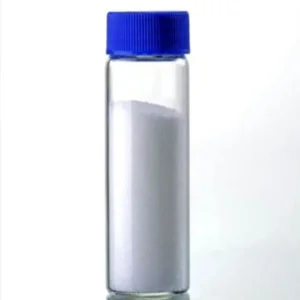
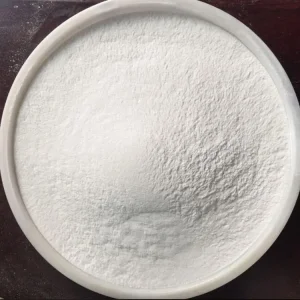
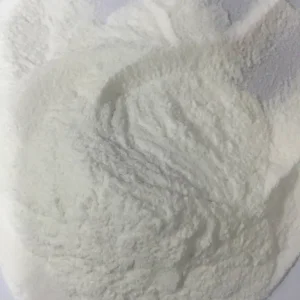
| Appearance | White to off-white crystalline solid / needle-like crystals | Visual Inspection |
| Assay (Purity) | ≥ 99.5% (Pharmaceutical & Cosmetic Grade ≥ 99.9%) | Gas Chromatography (GC) / HPLC |
| Melting Point | 110.0 °C – 113.0 °C | Capillary Method (ISO 3146) |
| Loss on Drying | ≤ 0.5% | Gravimetric (105 °C, 2 hours) |
| Residue on Ignition (Ash) | ≤ 0.1% | Ignition at 600 °C |
| Heavy Metals (as Pb) | ≤ 10 ppm | Inductively Coupled Plasma (ICP-MS) |
| Solubility Profile | Slightly soluble in water (0.27 g/L at 20°C); Highly soluble in ethanol, glycol, ether, and lipophilic bases | Solubility Protocol |
Driven by stringent global regulatory shifts away from legacy halogenated preservatives, 3-methyl-4-propan-2-ylphenol delivers high-efficacy bio-protection across diverse manufacturing sectors.
As consumer demand for mild, dermatologically safe skincare accelerates globally, IPMP has emerged as the premier replacement for parabens and formaldehyde releasers. It is extensively utilized in:
In oral therapeutics, 3-methyl-4-propan-2-ylphenol exhibits exceptional bioavailability against periodontal pathogens including Streptococcus mutans and Porphyromonas gingivalis.
Due to its high therapeutic index and low dermal toxicity, chemical formulators integrate IPMP into advanced medical products:
Independent laboratory testing metrics proving IPMP's broad-spectrum biocide efficacy compared to legacy preservatives.
| Target Microorganism | Strains Tested | IPMP (o-Cymen-5-ol) MIC (%) | Triclosan MIC (%) | Triclocarban MIC (%) |
|---|---|---|---|---|
| Cutibacterium acnes | ATCC 6919 | 0.0015% | 0.0030% | 0.0050% |
| Staphylococcus aureus | ATCC 6538 | 0.0078% | 0.0100% | 0.0250% |
| Escherichia coli | ATCC 8739 | 0.0156% | 0.0200% | 0.1000% |
| Candida albicans | ATCC 10231 | 0.0156% | 0.0500% | > 0.1000% |
| Pseudomonas aeruginosa | ATCC 9027 | 0.0625% | 0.1000% | > 0.2000% |
Analyzing global market structural shifts, regulatory compliance pressures, and China's strategic manufacturing capacity for 3-methyl-4-propan-2-ylphenol.
Global regulatory bodies, including the European Chemicals Agency (ECHA) and the US FDA, have tightened bans and restrictions on halogenated agents like Triclosan and Triclocarban due to bioaccumulation, environmental toxicity, and potential endocrine disruption concerns. 3-Methyl-4-propan-2-ylphenol stands out as a non-halogenated, readily biodegradable alternative that complies with global eco-label requirements without sacrificing antimicrobial potency.
China has established unmatched vertical integration in fine chemical synthesis. Chinese chemical manufacturers produce key upstream precursors (such as m-cresol and isopropanol derivatives) with economies of scale. This supply chain stability protects international procurement managers from raw material volatility, offering consistent supply continuity across North America, Europe, and Asia-Pacific markets.
Due to its high structural stability, low active concentration requirements (typically 0.05% - 0.1%), and incompatibility resistance in non-ionic formulations, IPMP delivers superior cost efficiency over the product lifecycle. Formulators achieve longer shelf stability, zero discoloration, and lower logistics overhead per unit batch.
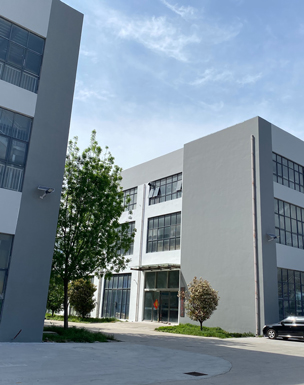
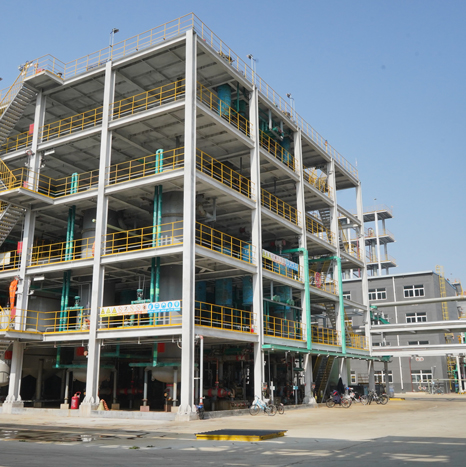
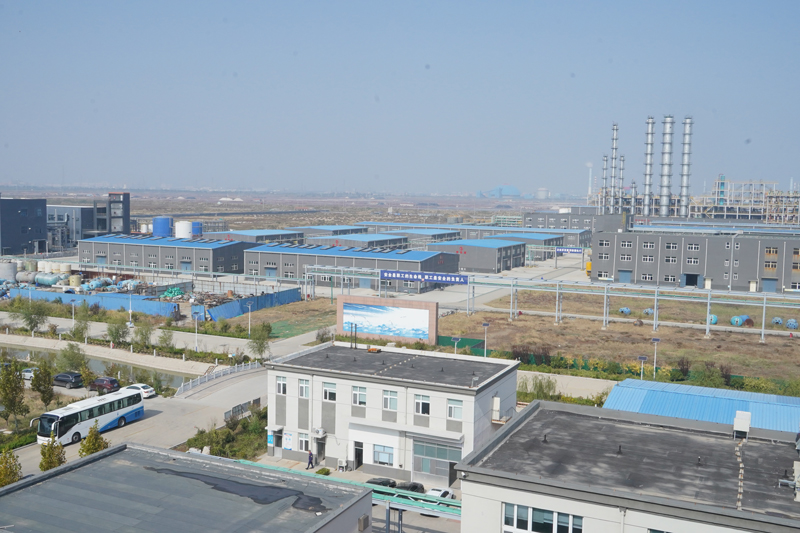
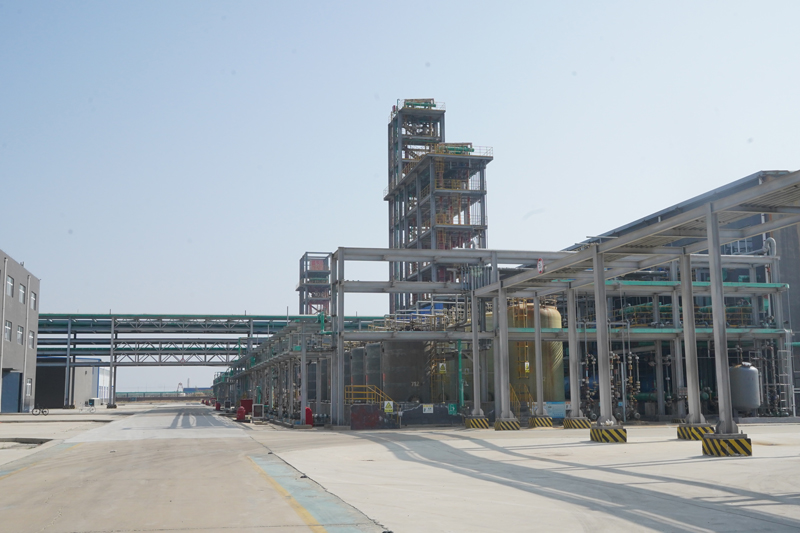
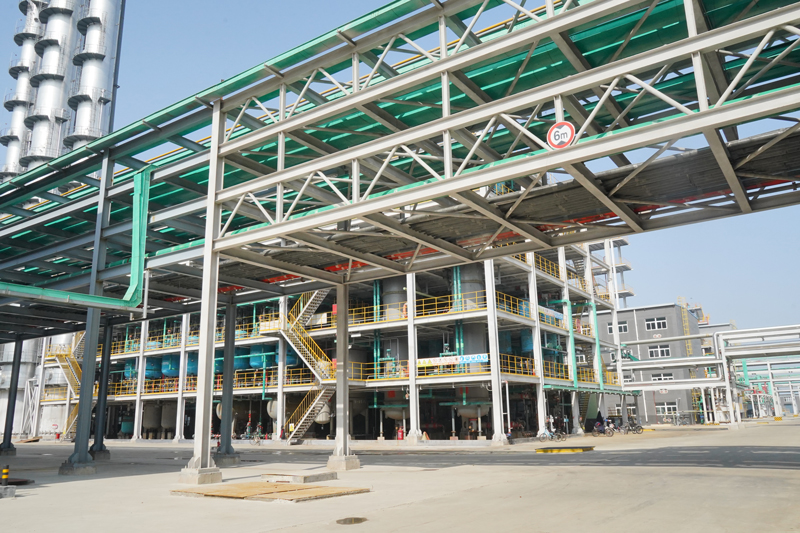
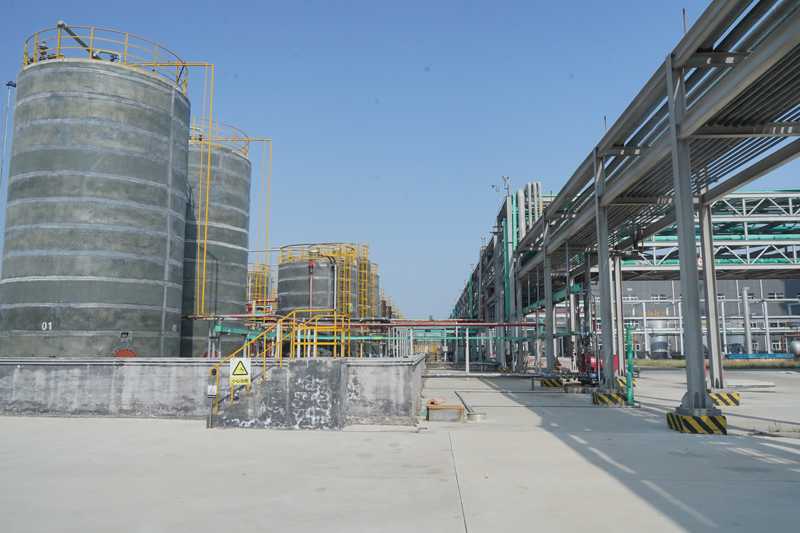
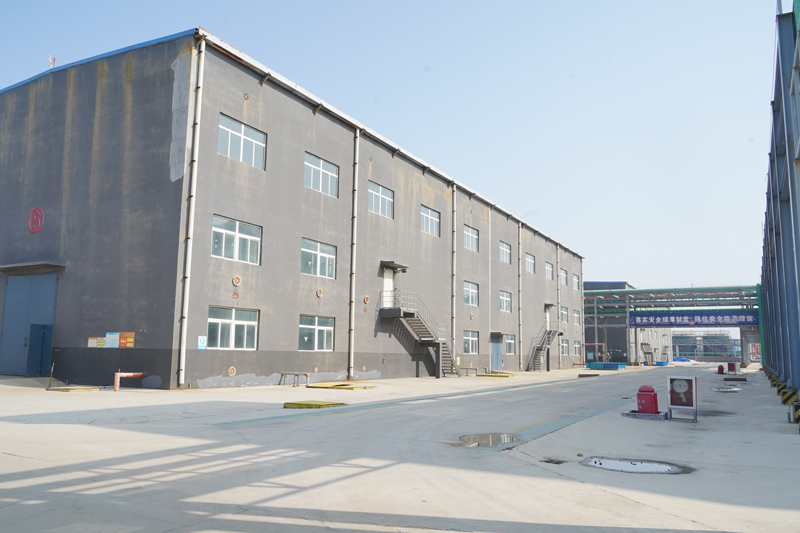
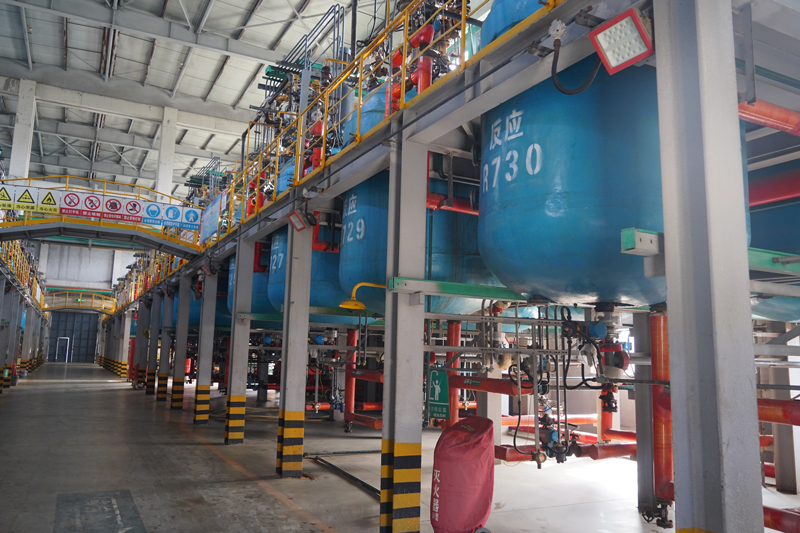
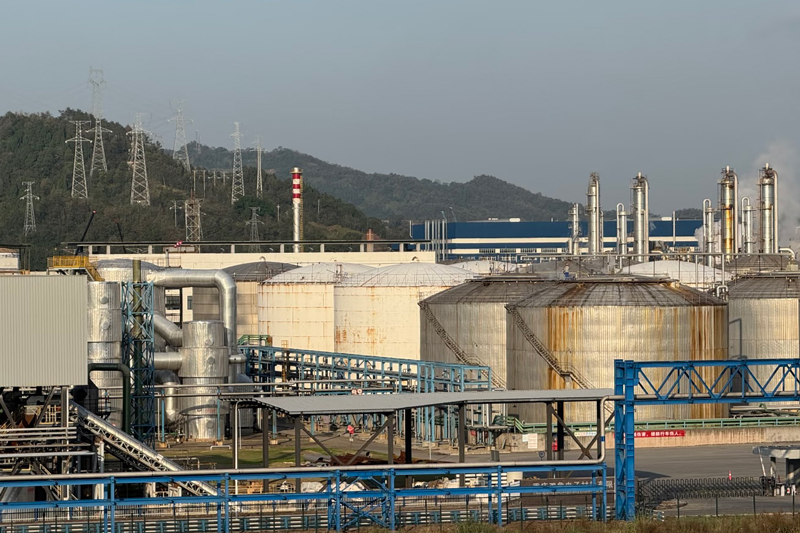
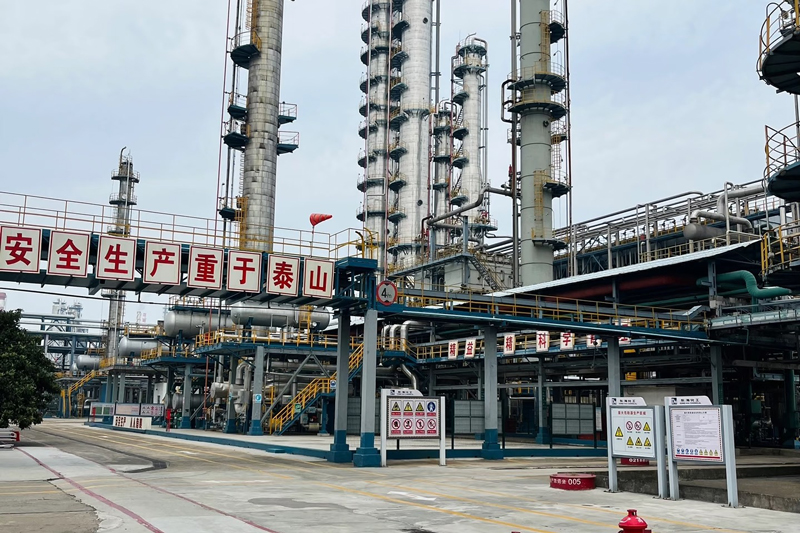
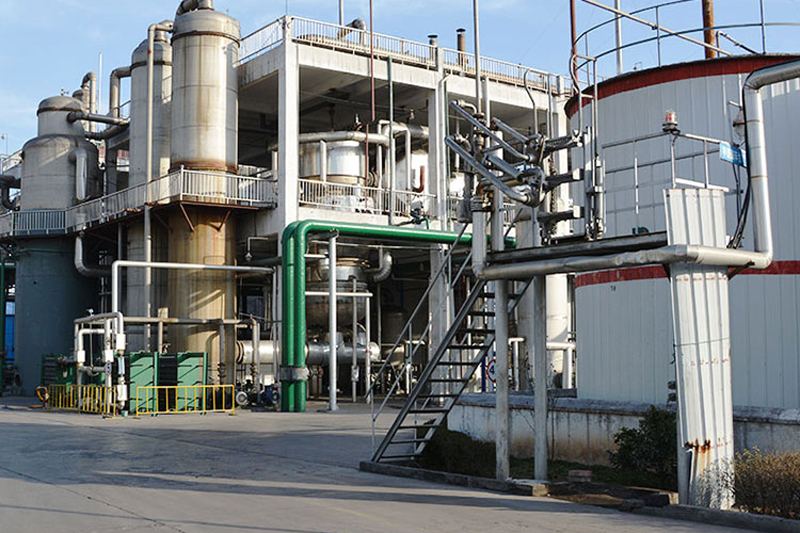
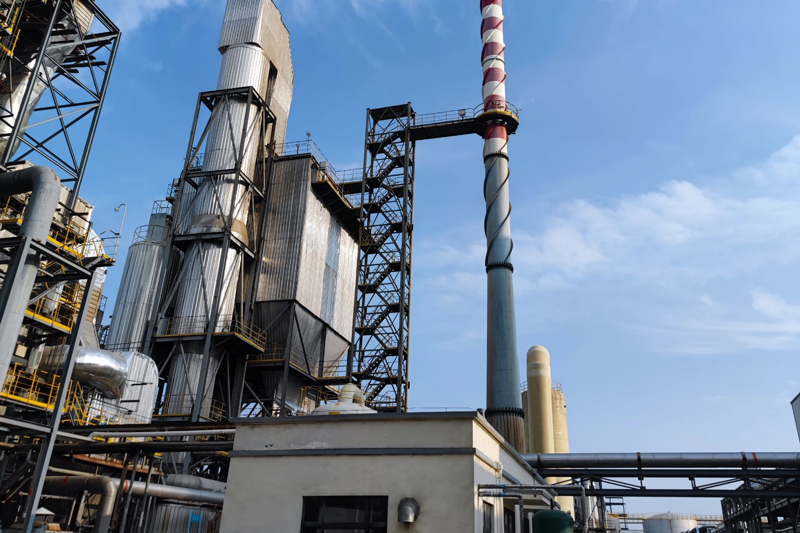
JIMPOCHEM CO., LTD was established in 2010 and is headquartered in the prestigious Chemical Industry Park of Jinan City, Shandong Province. Spanning an expansive area of over 500 acres, the company operates as a professional chemical raw material manufacturer integrating advanced R&D, digitalized production, global logistics, and multi-tier technical service.
With over 16 years of chemical industry expertise, our core focus centers on high-end fine chemicals, active cosmetic ingredients, and custom synthesis. We hold full ISO 9001 Quality Management and ISO 14001 Environmental Management System certifications, exporting to more than 200 countries and regions across North America, Europe, Southeast Asia, the Middle East, and Oceania, while serving over 5,000 international enterprises.
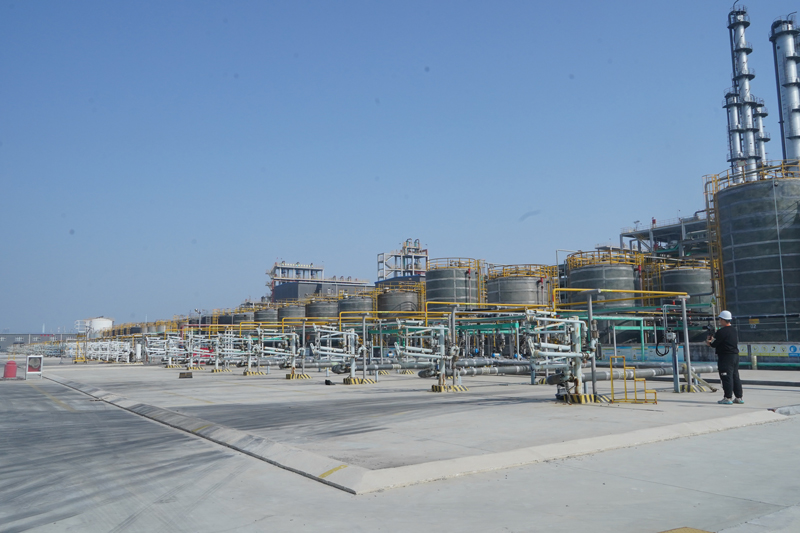
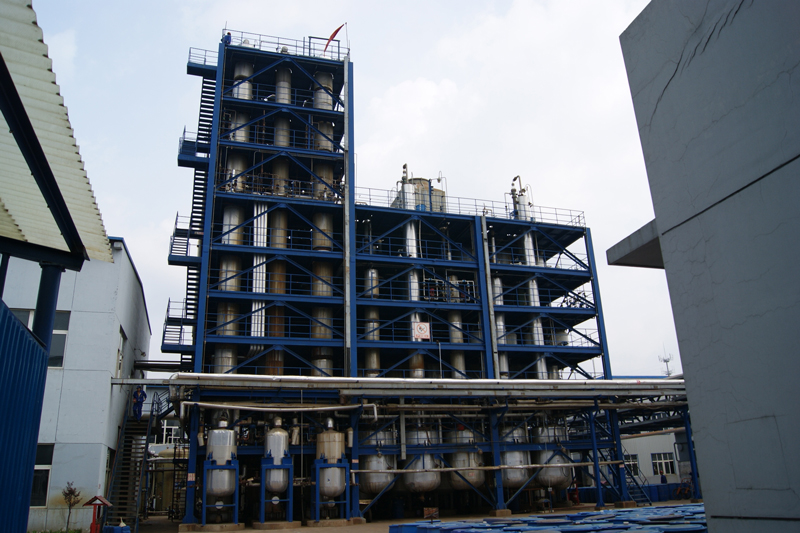
Leveraging deep upstream partnerships, JIMPOCHEM guarantees reliable access to premium key feedstocks. Our automated, digitalized production park manages high-volume batch requirements alongside flexible custom adjustments with tight batch-to-batch consistency.
Operating under "Quality is the Lifeline of Enterprise," our modern analytical laboratory conducts full HPLC, GC-MS, FTIR, and heavy metal testing on every batch. Complete raw-material-to-logistics trace codes support full auditability.
Aligned with China's "Dual-Carbon" sustainability goals, our plants utilize advanced waste-gas scrubbing, closed-loop solvent recovery units, and biological effluent digestion to deliver certified eco-friendly chemicals.
Deep chemical engineering insights into the green synthesis of 3-methyl-4-propan-2-ylphenol and emerging industrial applications.
JIMPOCHEM utilizes a proprietary catalytic alkylation route reacting m-cresol with isopropanol or propene over custom solid-acid zeolite catalysts. This process maximizes regioselectivity towards the 4-position (producing 3-methyl-4-propan-2-ylphenol) while drastically lowering unwanted 2- or 6-isomer side-products.
Key Innovation: Solid acid catalyst reuse reduces acidic liquid waste by 94% compared to traditional AlCl3 processes.
To achieve ≥ 99.9% pharmaceutical purity, crude IPMP undergoes solvent-free fractional melt crystallization. This physical separation guarantees ultra-low residual solvent levels, fulfilling EU REACH and US Pharmacopeia standards for topical and mucosal applications.
Key Benefit: Zero heavy metal catalyst carryover and crystal stability.
Our R&D roadmap focuses on synthesizing IPMP from renewable bio-based terpene precursors (terpenoid bio-refining) and developing micro-encapsulated controlled-release formats. Encapsulated IPMP will enable long-acting antimicrobial textiles, medical wound dressings, and active antimicrobial food packaging films.
Navigating global chemical safety frameworks with full documentation, regulatory dossiers, and local market clearance support.
Listed in Annex V (Preservatives allowed in cosmetic products) of EU Regulation EC 1223/2009 up to a maximum concentration of 0.1%. Full REACH registration dossier available for seamless import into EU member states.
Recognized as a safe cosmetic preservative and active topical drug constituent under US FDA guidelines. MSDS, COA, and safety safety data packages provided with each commercial shipment.
Approved as an established cosmetic ingredient listed in the Inventory of Existing Cosmetic Ingredients in China (IECIC). Compliant with CSAR safety assessment reporting requirements.
Produced in facilities certified under ISO 9001, ISO 14001, and GMPC. Product batches are certified Halal and Kosher compliant for worldwide consumer inclusivity.
Detailed comparative evaluation demonstrating why global formulators are switching to 3-methyl-4-propan-2-ylphenol (IPMP).
| Evaluation Parameter | 3-Methyl-4-propan-2-ylphenol (IPMP) | PCMX (4-Chloro-3,5-dimethylphenol) | Benzethonium Chloride | Phenoxyethanol |
|---|---|---|---|---|
| Chemical Structure Class | Alkylated Isopropyl Phenol | Chlorinated Phenol | Quaternary Ammonium Salt | Glycol Ether Phenol |
| Skin Irritation Risk | Very Low (Dermatologically mild) | Moderate to High | Moderate (Can sensitize) | Low to Moderate |
| Halogen Content | Zero Halogens (Non-toxic) | Contains Organochlorine | Contains Chlorine | Zero Halogens |
| Effective pH Range | Broad (pH 3.0 – 11.0) | pH 4.0 – 9.0 | pH 4.0 – 10.0 | pH 3.0 – 10.0 |
| Typical Usage Concentration | 0.05% – 0.1% | 0.2% – 0.5% | 0.1% – 0.2% | 0.5% – 1.0% |
| Color & Odor Impact | Odorless, Non-yellowing | Pungent characteristic odor | Slight odor | Mild aromatic odor |
| Global Regulatory Horizon | Highly Favorable (Eco-approved) | Increasing Restrictions | Restricted in leave-on | Concentration Capped |
Expert technical answers addressing formulation challenges, solubility enhancement, regulatory compliance, and ordering parameters for 3-methyl-4-propan-2-ylphenol.
Complementary active ingredients, specialty surfactants, and chemical indicators supplied directly from JIMPOCHEM's Shandong production base.
Looking for high-purity 3-methyl-4-propan-2-ylphenol (IPMP / o-Cymen-5-ol) or customized formulation solutions? Request a formal quotation, MSDS, and technical sample kit today.
 JIMPOCHEM