Explore our certified batch-manufactured organic intermediates, cosmetic raw materials, and high-purity biological buffers.
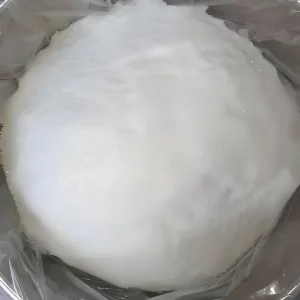
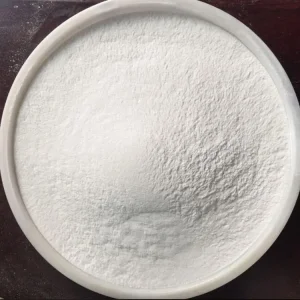
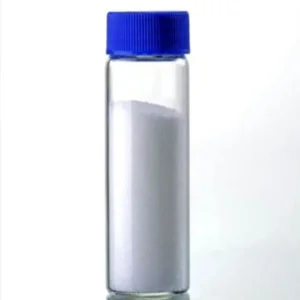
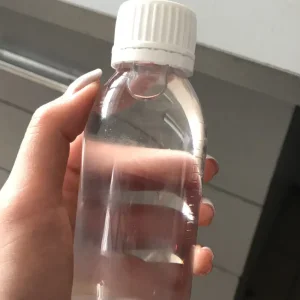
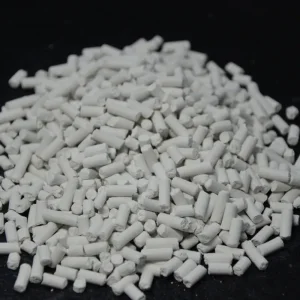
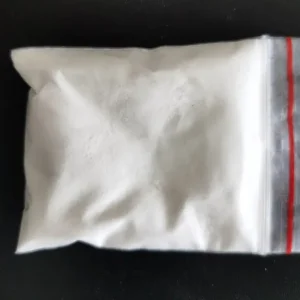
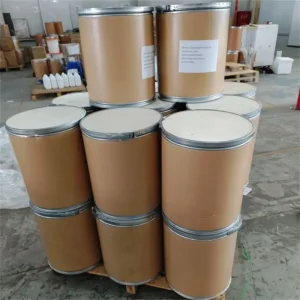
Tris (hydroxymethyl) aminomethane, systematically designated by IUPAC as 2-amino-2-(hydroxymethyl)propane-1,3-diol and globally identified under CAS 77-86-1 (also known as Tris Base, Tromethamine, or THAM), represents a fundamental primary amine and polyhydroxy compound indispensable across biotechnology, pharmaceutical formulation, cosmetic stabilization, and industrial chemical synthesis.
Structurally characterized by a central carbon atom bonded to three hydroxymethyl functional groups and one primary amino group, Tris Base exhibits a molecular formula of $\text{C}_4\text{H}_{11}\text{NO}_3$ with a molecular mass of $121.14 \text{ g/mol}$. The unique co-existence of sterically accessible hydroxyl groups and a basic amine confers outstanding water solubility ($\ge 550 \text{ g/L}$ at $25^\circ\text{C}$), minimal biological membrane permeability, and robust buffering capacity within the physiological pH range of $7.0$ to $9.0$.
Technical Insight (pKa Temperature Dependence): Tris buffer solutions demonstrate a pronounced temperature-dependent pKa coefficient ($\Delta\text{pKa}/\Delta T \approx -0.031 \text{ per }^\circ\text{C}$). For biopharmaceutical purification and enzymatic assays, formulation scientists must calibrate working pH levels at the exact operational temperature (e.g., $4^\circ\text{C}$ cold rooms vs. $37^\circ\text{C}$ cell culture incubators) to prevent structural denaturation or loss of enzymatic activity.
| Specification Parameter | Ultrapure Molecular Biology Grade | Pharmaceutical / API Grade (USP/EP) | Industrial & Tech Grade |
|---|---|---|---|
| Assay (Dry Basis) | $\ge 99.9\%$ | $99.0\% - 101.0\%$ | $\ge 98.5\%$ |
| CAS Registry Number | 77-86-1 | 77-86-1 | 77-86-1 |
| Absorbance (260nm / 280nm) | $\le 0.02 \text{ AU}$ | $\le 0.05 \text{ AU}$ | N/A |
| Heavy Metals (as Pb) | $\le 1 \text{ ppm}$ | $\le 5 \text{ ppm}$ | $\le 20 \text{ ppm}$ |
| Bacterial Endotoxins | $< 0.03 \text{ EU/mg}$ | $< 0.05 \text{ EU/mg}$ | Not Monitored |
| Nuclease (DNase/RNase) | None Detected | Controlled | Not Monitored |
The global demand for Tris (hydroxymethyl) aminomethane is undergoing rapid expansion, projected to achieve a CAGR exceeding $6.8\%$ over the next decade. Procurement intelligence highlights four major end-use vectors driving bulk commercial acquisitions:
Tris Base acts as the primary buffer agent stabilizing mRNA-LNP (lipid nanoparticle) complexes, recombinant proteins, and viral vectors during downstream purification, ultrafiltration, and cryogenic storage. Maintains structural stability under varying thermal profiles.
Essential constituent in TAE (Tris-Acetate-EDTA) and TBE (Tris-Borate-EDTA) electrophoresis systems, enzyme-linked immunosorbent assays (ELISA), and PCR amplification reagents requiring strict freedom from trace heavy metal ions and nucleases.
Favored over triethanolamine (TEA) for neutralizing acrylic acid polymers (Carbomers) in ultra-clear gels. Provides mild, non-irritating pH adjustment while eliminating the risk of nitrosamine contamination in sensitive skincare systems.
Used as an intermediate in surfactant production, vulcanization accelerators, and emerging decarbonization applications such as aqueous amine scrubbing systems for point-source carbon dioxide capture.
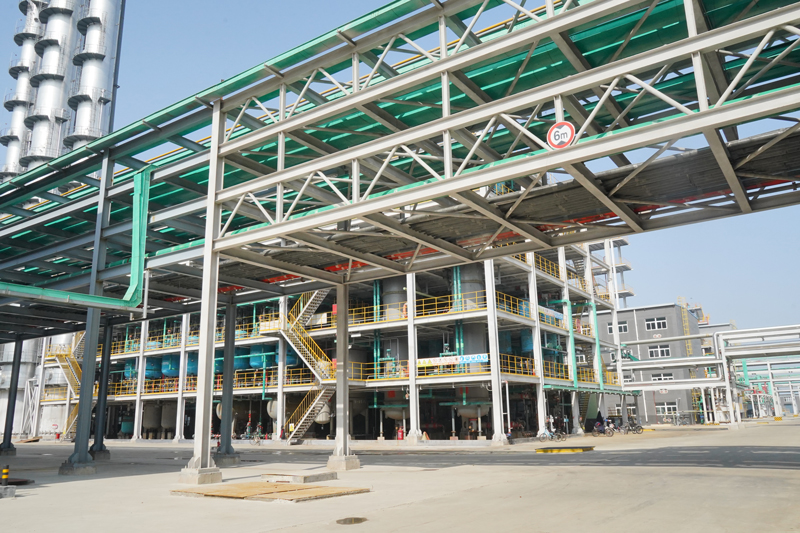
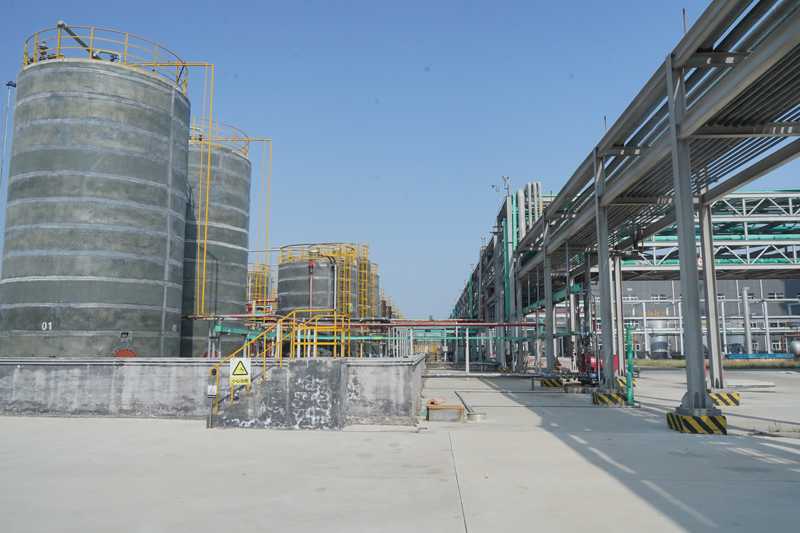
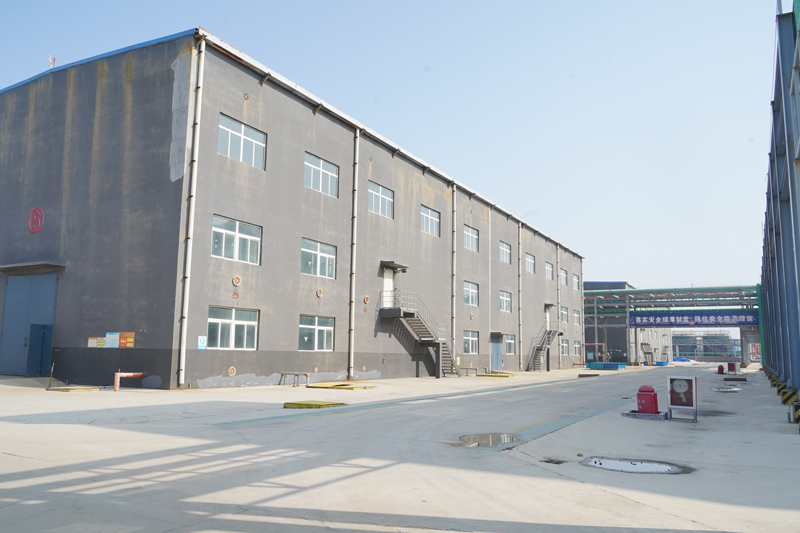
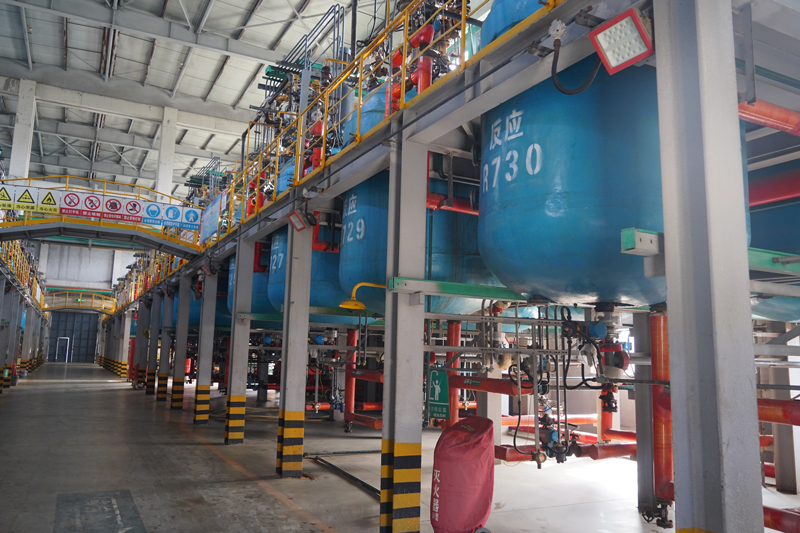
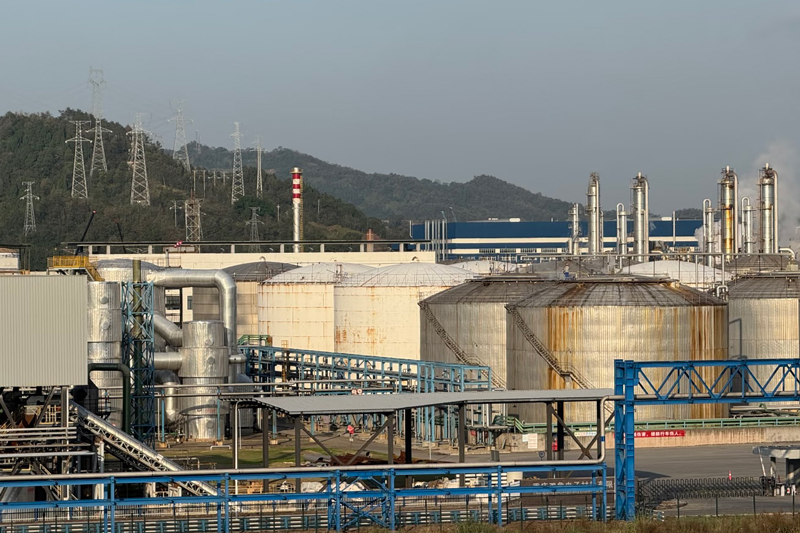
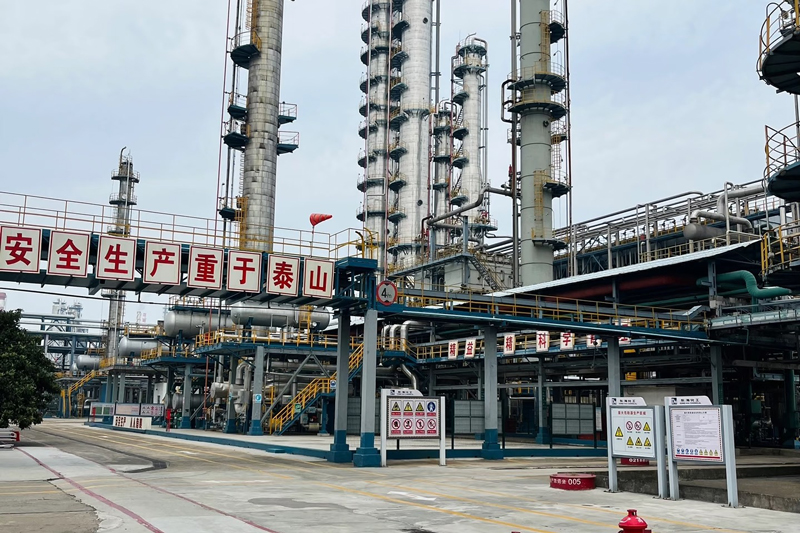
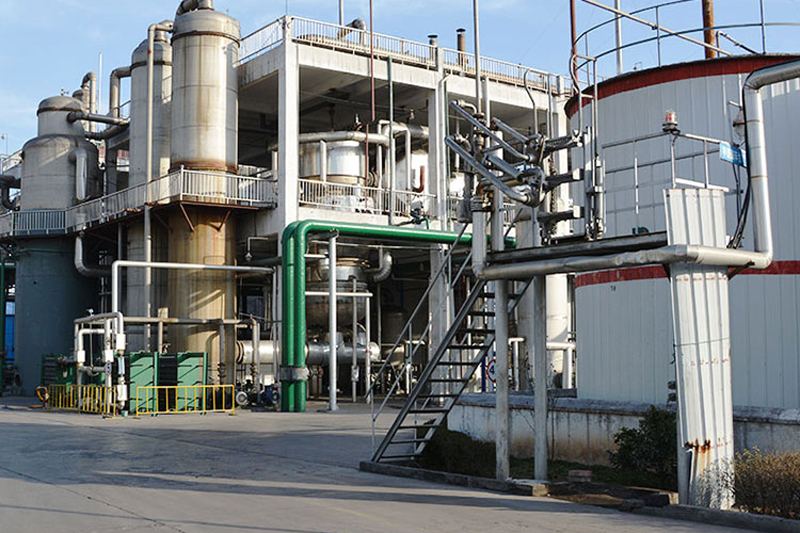
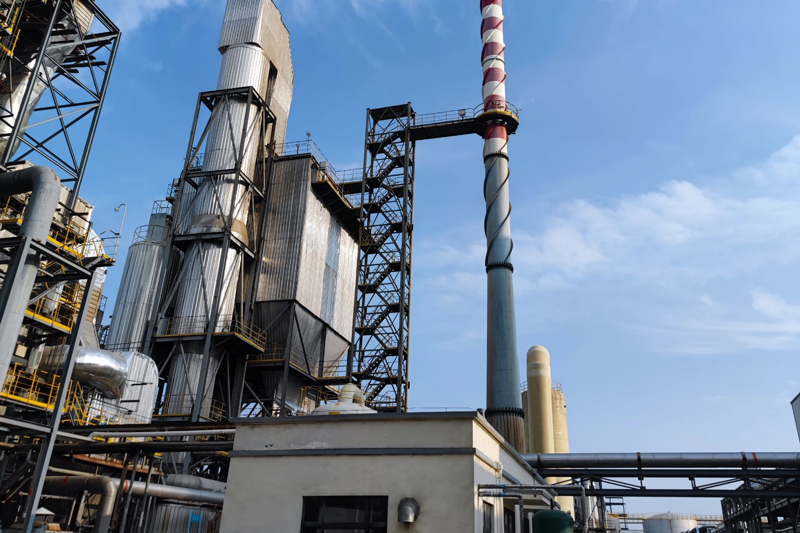
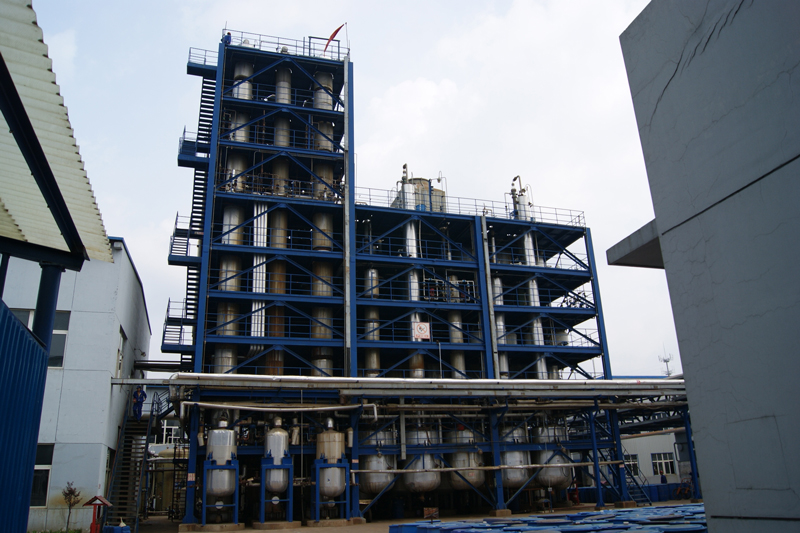
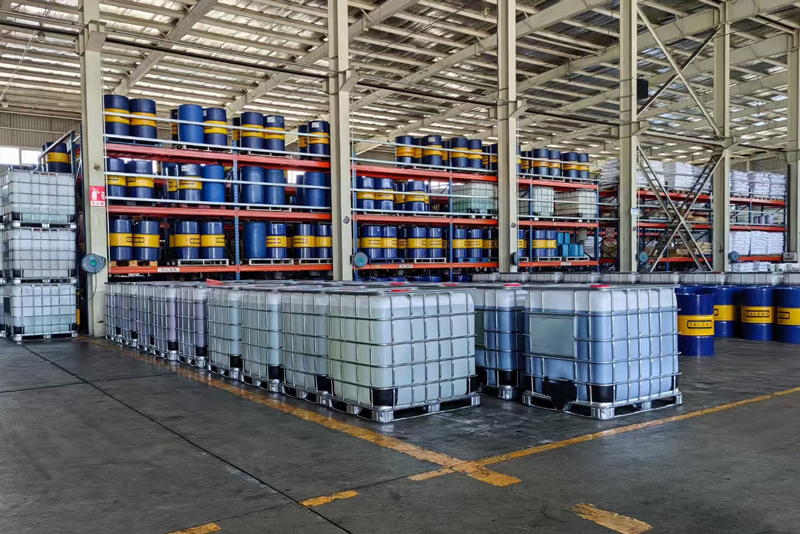
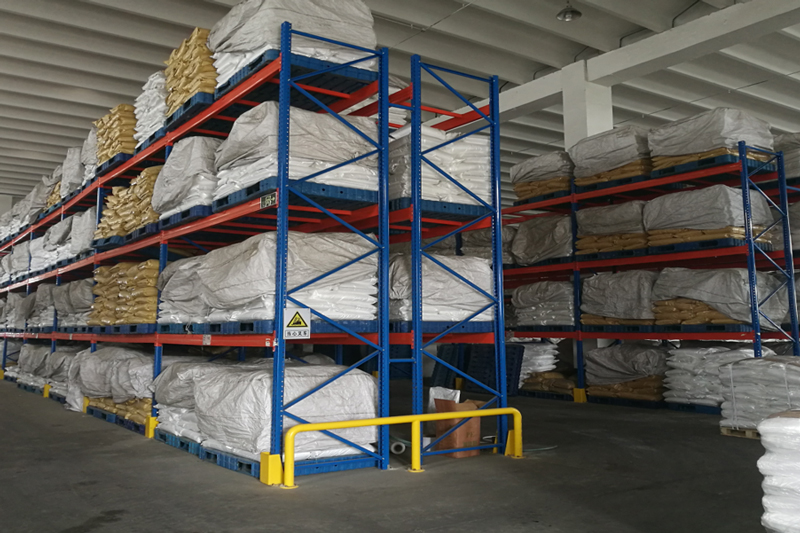
As enterprise chemical buyers navigate global geopolitical volatility and raw material pricing swings, JIMPOCHEM CO., LTD delivers structural supply chain resilience. Headquartered in the Jinan Chemical Industry Park, Shandong Province, our industrial park spans over 500 acres, incorporating fully automated closed-loop synthesis systems that set global benchmarks for quality, safety, and output volume.
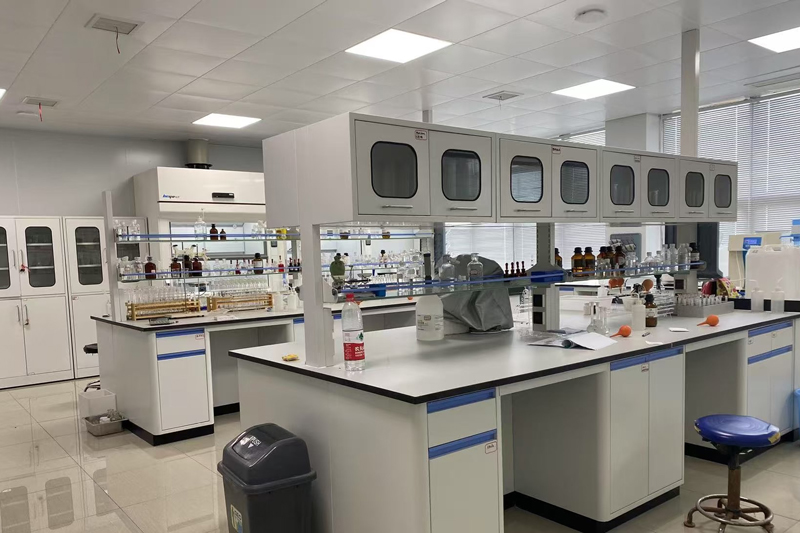
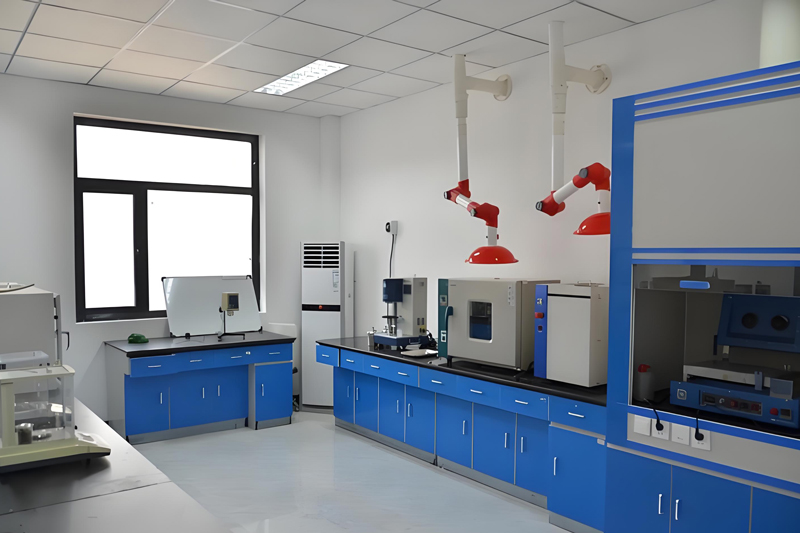
Take a virtual tour of JIMPOCHEM's 500-acre state-of-the-art chemical synthesis facility, cleanroom facilities, and R&D laboratories.
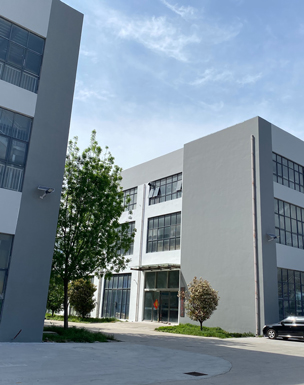
Since 2010, JIMPOCHEM CO., LTD has evolved into a premier designated chemical service provider specializing in fine chemicals, cosmetic ingredients, and bio-buffers.

Exporting to over 200 countries with dedicated technical support, tailored formulation development, and seamless international freight operations.
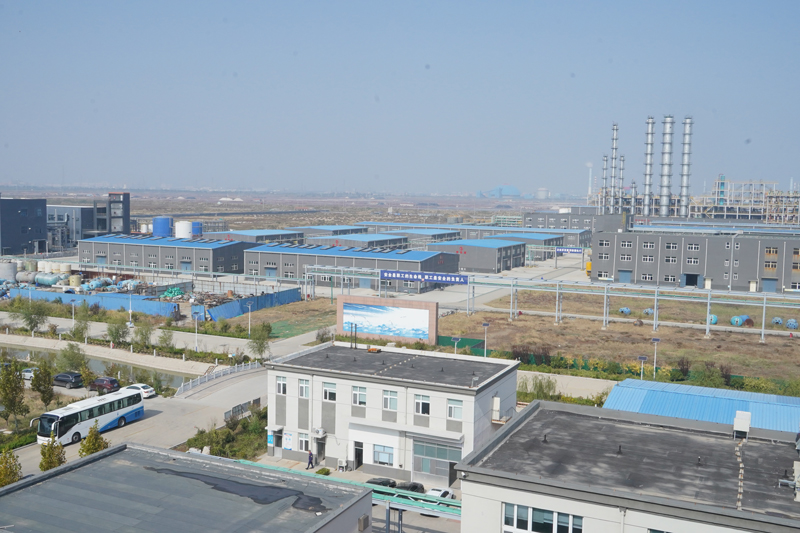
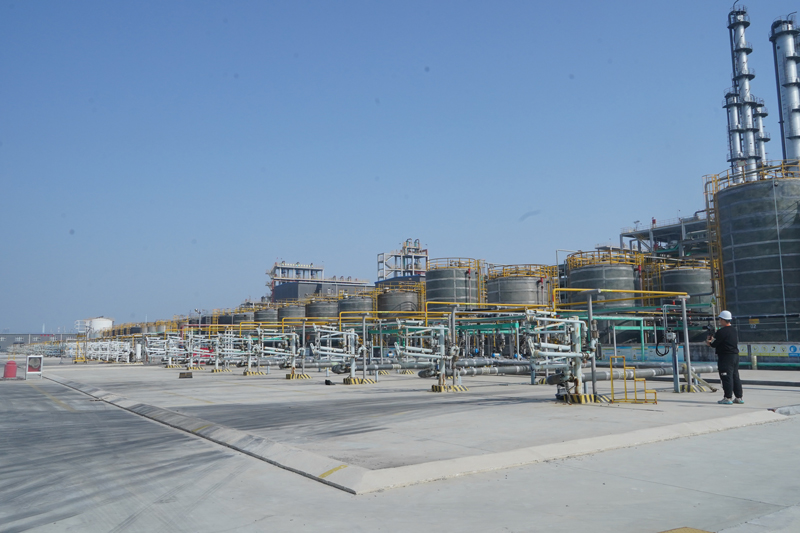
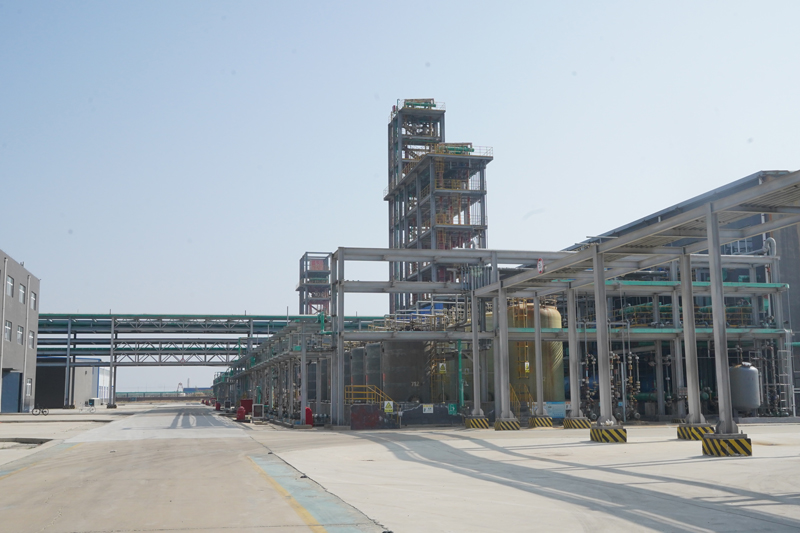

When evaluating buffer selection across critical manufacturing workflows, technical managers frequently compare Tris Base against alternative biological buffers such as HEPES, PBS, and MOPS. Understanding chemical behavior under operational conditions ensures maximum product yield and chemical stability.
| Buffer System | Useful pH Range | pKa (25°C) | Key Application Advantages | Primary Considerations |
|---|---|---|---|---|
| Tris Base (CAS 77-86-1) | 7.0 – 9.0 | 8.07 | Cost-effective, high solubility, ideal for electrophoresis, mRNA stabilization & Carbomer gel clarity. | Temperature dependent ($\Delta\text{pKa}/\Delta T = -0.031/\text{°C}$); reactable primary amine. |
| HEPES | 6.8 – 8.2 | 7.55 | Minimal thermal variation; preferred for live cell culture and physiological tissue preservation. | Higher raw material cost; susceptible to light-induced free radical generation. |
| PBS (Phosphate Buffer) | 5.8 – 8.0 | 7.20 | Mimics intracellular ionic strength; low cost for standard immunoassays. | Forms insoluble precipitates with divalent cations ($\text{Ca}^{2+}$, $\text{Mg}^{2+}$); inhibits enzymatic phosphorylation. |
| MOPS | 6.5 – 7.9 | 7.20 | Excellent for RNA electrophoresis; does not complex with metal ions. | Degrades at temperatures above $110^\circ\text{C}$; requires specialized filtration. |
1. Polyacrylamide Gel Electrophoresis (SDS-PAGE): Tris-HCl/Tris-Base systems maintain uniform electrical conductivity and pH stability within stacking (pH 6.8) and resolving gels (pH 8.8), enabling sharp protein band resolution.
2. Cosmetic Carbomer Neutralization: Adding precise stoichiometric ratios of Tris Base to acrylic acid polymers creates crystal-clear, non-tacky hydrogels. Unlike inorganic bases (NaOH, KOH), Tris minimizes electrolyte-induced viscosity loss.
3. Active Pharmaceutical Alkalization (Tromethamine API): In intravenous formulations (e.g., Ketorolac Tromethamine, Fosfomycin Trometamol), pharmaceutical grade Tris serves as a counterion and systemic alkalizer, enhancing active molecule solubility and bio-absorption.
Addressing key queries from procurement directors, quality control managers, and formulation chemists regarding Tris Base procurement.
Tris Base (CAS 77-86-1) is the free amine compound with an alkaline pH (~10.5 in solution). Tris HCl (CAS 1185-53-1) is the monohydrochloride salt form with an acidic pH (~4.5). Preparing a specific buffer pH requires combining Tris Base and Tris HCl or titrating Tris Base with Hydrochloric Acid. Purchasing Tris Base directly allows maximum formulation flexibility and lower unit procurement cost.
Tris buffers possess a significant temperature coefficient ($\Delta\text{pKa}/\Delta T = -0.031/\text{°C}$). A buffer adjusted to pH 8.00 at room temperature ($25^\circ\text{C}$) will shift to approximately pH 8.65 at $4^\circ\text{C}$ cold-room conditions, and drop to pH 7.63 at $37^\circ\text{C}$. QC protocols require pH adjustment at the target process temperature.
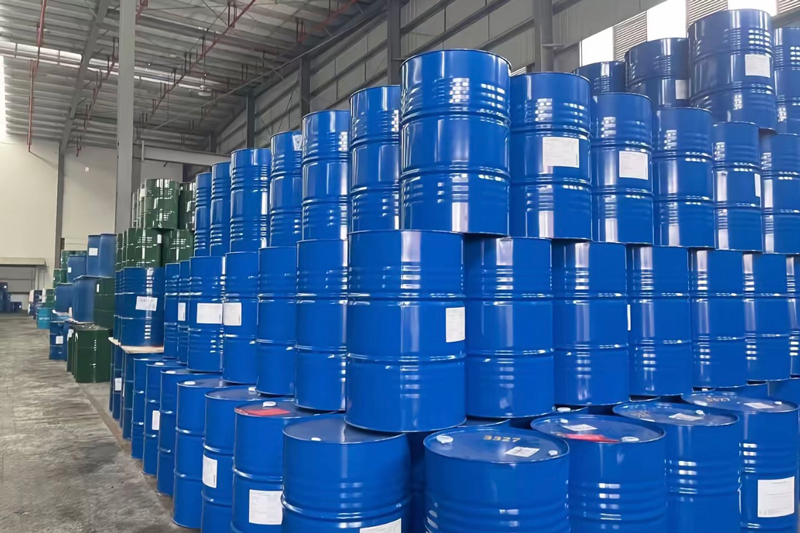
JIMPOCHEM supplies Tris Base in standard 25 kg fiber drums with double PE anti-moisture inner liners, 500 kg super sacks, and customized small-pack quantities for laboratory distributors. Our standard industrial MOQ starts at 100 kg, with full-container load (FCL) shipments optimized for ocean freight.
Yes, our Tris Base products comply with European Chemicals Agency (ECHA) standards and carry full REACH registration, enabling seamless import and distribution across European Union member states without regulatory clearance delays.
When stored in unopened original packaging in a cool, dry, well-ventilated warehouse away from strong oxidizing agents and direct sunlight, Tris Base has a certified shelf-life of 36 months. It is hygroscopic, so resealing inner bags after partial consumption is critical.
Integrate certified raw materials into your supply chain with complete quality assurance documentation (COA, MSDS, ROS).
 JIMPOCHEM