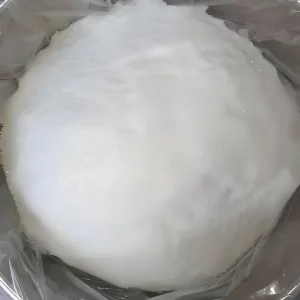
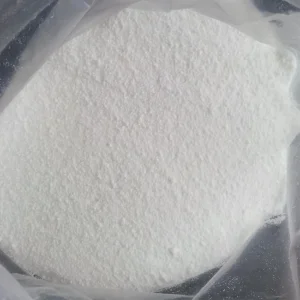
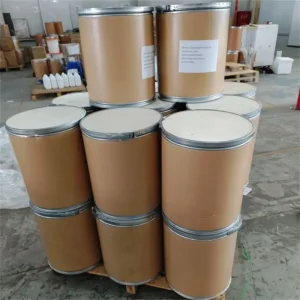
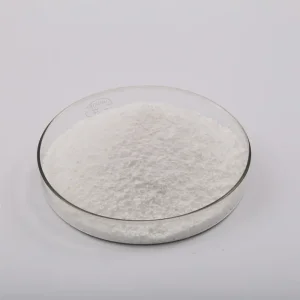
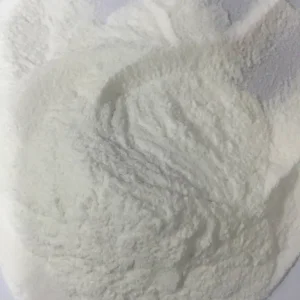
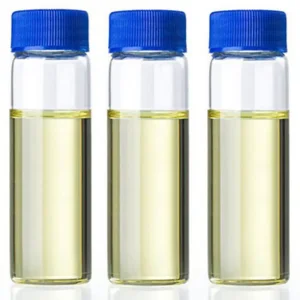
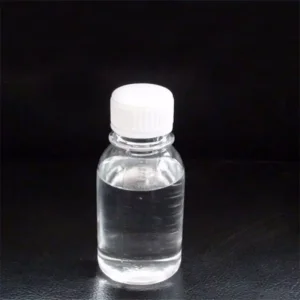
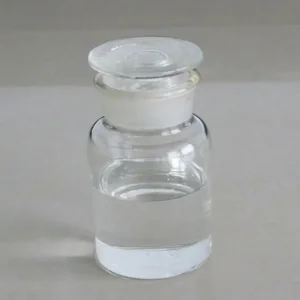
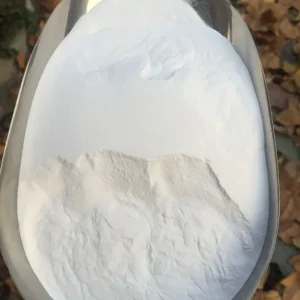
Direct supply from ISO-certified manufacturing facilities. High purity chemical constituents for pharmaceutical and advanced daily chemical manufacturing.
Unlocking advanced dermatological pathways through combined retinoid and dicarboxylic acid pharmaceutical-grade formulations.
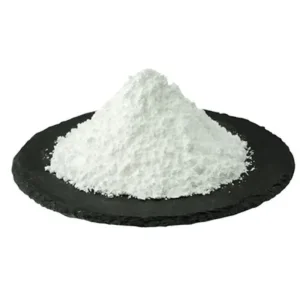
In modern dermatological therapy, combining Tretinoin (All-Trans Retinoic Acid, CAS 302-79-4) and Azelaic Acid (1,7-Heptanedicarboxylate, CAS 123-99-9) represents a cornerstone protocol for recalcitrant acne vulgaris, post-inflammatory hyperpigmentation (PIH), melasma, and epidermal remodeling.
Tretinoin operates primarily as a nuclear receptor agonist. By binding to Nuclear Retinoic Acid Receptors (RAR-α, RAR-β, RAR-γ), it modifies gene transcription, accelerates keratinocyte turnover, reduces follicular dyskeratosis, and stimulates dermal collagen synthesis via fibroblasts. Conversely, Azelaic Acid operates as a reversible competitive inhibitor of tyrosinase, directly reducing aberrant melanogenesis within hyperactive melanocytes without damaging normal pigmented cells.
When formulators and pharmaceutical procurement teams evaluate buying Tretinoin and Azelaic Acid together from primary chemical manufacturers, the objective is to leverage this non-overlapping, dual-action pathway: Tretinoin clears follicular impactions and enhances epidermal penetration, while Azelaic Acid neutralizes Cutibacterium acnes ROS output and eliminates epidermal pigmentation.
Industrial formulation of stable dual-active systems presents challenging chemical dynamics that demand rigorous raw material quality standards. Sourcing these compounds together from an enterprise-grade manufacturer ensures batch consistency and optimal physicochemical alignment.
| Parameters | Tretinoin (USP/EP Active API) | Azelaic Acid (Cosmeceutical Grade) |
|---|---|---|
| Chemical CAS No. | 302-79-4 | 123-99-9 |
| Molecular Formula | C20H28O2 | C9H16O4 |
| Optimal Formulation pH Range | pH 5.0 – 6.5 | pH 4.0 – 5.5 |
| Solubility Profile | Lipophilic; soluble in ethanol/chloroform | Sparingly soluble in water; soluble in glycols/ethanols |
| Light / Oxidation Sensitivity | Extremely Photolabile (Degrades under UV) | Stable against oxidative stress and UV radiation |
| Primary Mechanism | RAR nuclear transcription agonist | Competitive tyrosinase & 5-alpha reductase inhibitor |
By engineering advanced carrier vehicles—such as anhydrous gels, microemulsions, or lipid nanoparticles—contract manufacturers can stabilize Tretinoin against photolytic cleavage while maintaining Azelaic Acid fully solubilized or ultra-micronized to eliminate gritty textures.
B2B chemical synthesis standards designed to overcome phase separation, crystal growth, and degradation in dual active topical vehicles.
Azelaic Acid is known for its high melting point (106.5 °C) and tendency to form large, needle-like crystalline structures during cooling phases in emulsion systems. When consumer end-products suffer from a grainy texture, it is due to uncontrolled crystal growth.
As a leading supplier, chemical synthesis protocols utilize specialized jet-milling and anti-solvent recrystallization techniques to yield ultra-fine micro-particles (D90 < 10 microns). Micronized Azelaic Acid guarantees rapid skin dispersion, enhanced follicular penetration, and silky sensory profiles in finished cosmetic gels and creams.
Tretinoin rapidly undergoes photo-isomerization into isotretinoin and 9-cis-retinoic acid when exposed to ambient light. To protect high-value bulk batches during storage and formulation compounding, active APIs are produced under amber-filtered light conditions with high-purity inert nitrogen blankets.
Furthermore, chemical buyers receive technical guidance on integrating antioxidants like BHT (Butylated Hydroxytoluene), Tocopherol, and specialized liposomal encapsulation systems to ensure that dual formulations maintain a 24-month shelf life without potencies dropping below USP assay thresholds.
Selecting appropriate solvents for combined active delivery is critical. Incorporating high-performance auxiliary solvents—such as 3-Methoxy-3-Methyl-1-Butanol (CAS 56539-66-3) and Solketal (CAS 100-79-8)—ensures homogeneous solubilization without causing cutaneous erythema.
These specialty solvents lower the surface tension of the vehicle, promoting uniform spreading across the stratum corneum while preventing premature crystallization of Azelaic Acid upon application.
Market intelligence analysis for pharmaceutical companies, tele-dermatology brands, and private label cosmetics manufacturers.
The global acne prescription market and over-the-counter hyperpigmentation sector are undergoing a seismic transition. Brand managers and formulation laboratories are moving away from single-agent topicals toward fixed-dose combination therapy (FDC). Consumer demand driven by clinical tele-dermatology platforms has accelerated the demand for compounded Tretinoin (typically 0.025%, 0.05%, or 0.1%) combined with Azelaic Acid (10% to 20%).
Procuring raw ingredients directly from established primary suppliers allows brands to reduce raw material costs, maintain strict lot-to-lot bioequivalence, and capitalize on the rapidly expanding market across North America, Europe, Asia-Pacific, and the Middle East.
Pioneering advancements in microencapsulation, solid lipid nanoparticles, and green synthesis.
To eliminate skin irritation—a common side-effect of Tretinoin when coupled with Azelaic Acid—our R&D team is advancing micro-sponge polymeric delivery systems. By entrapping All-Trans Retinoic Acid within porous polymer matrices, active release is controlled over an 8-to-12-hour window, drastically improving patient compliance while maintaining full therapeutic efficacy.
Future formulation paradigms rely on Solid Lipid Nanoparticles (SLNs) and Nanostructured Lipid Carriers (NLCs). Co-encapsulating Tretinoin and Azelaic Acid in lipophilic lipid cores shields both actives from ambient oxidation and hydro-lytic degradation, unlocking stable, water-based serum formulations with enhanced skin penetration pathways.
In accordance with global net-zero targets, our manufacturing plants utilize catalytic oxidation mechanisms derived from bio-based feedstocks (such as oleic acid derivatives for Azelaic Acid synthesis), suppressing toxic chemical waste and lowering solvent usage by up to 40%.
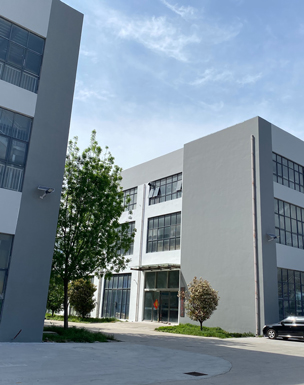
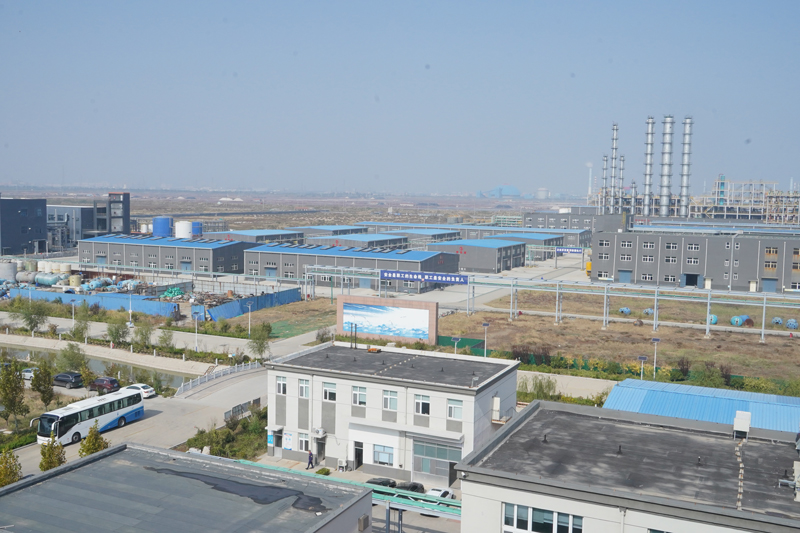
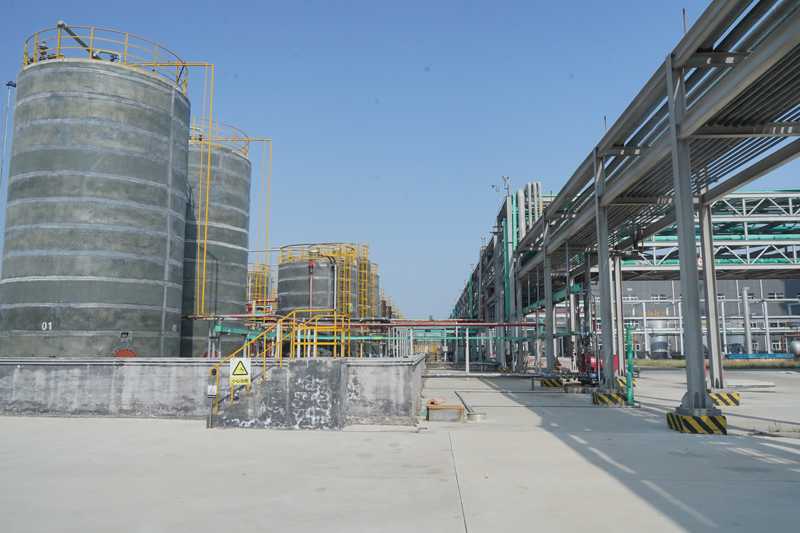
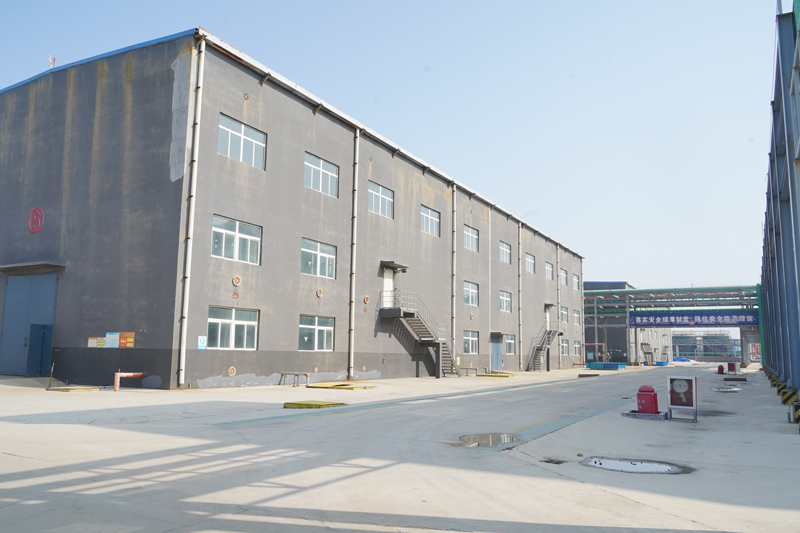
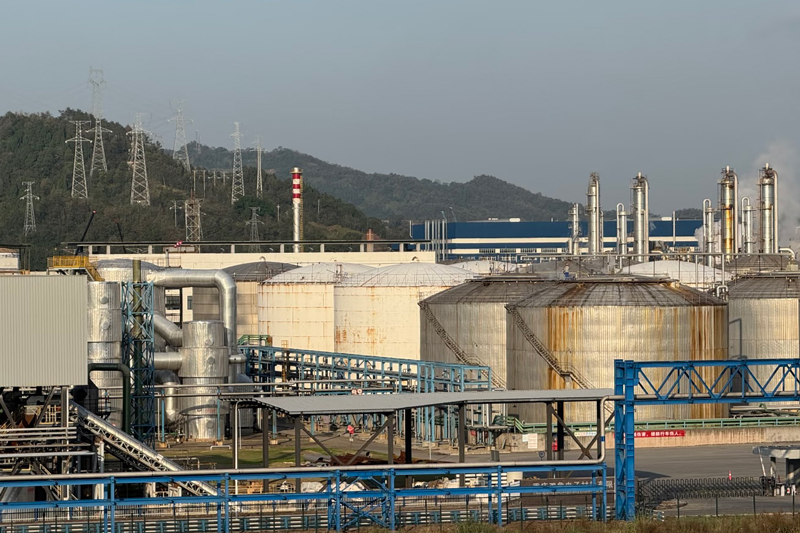
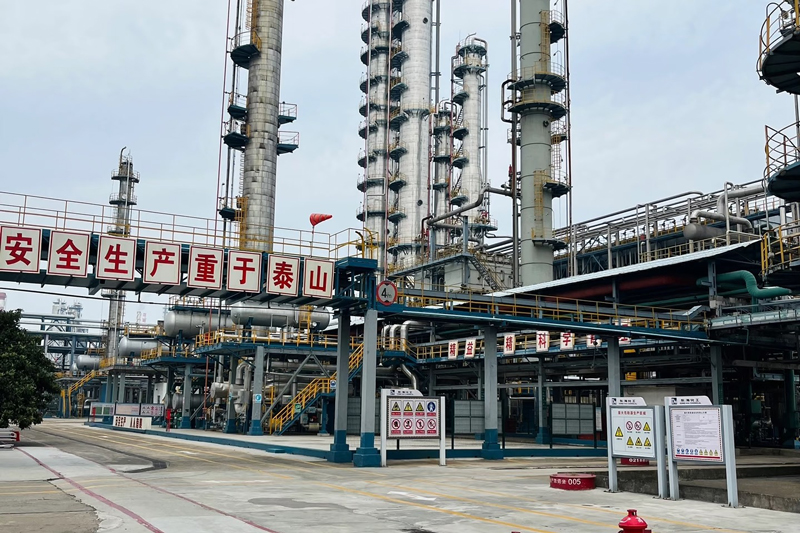
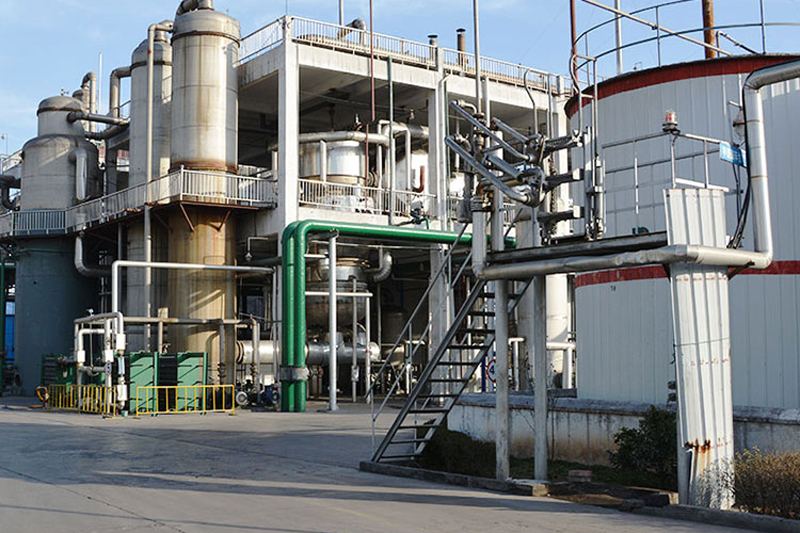
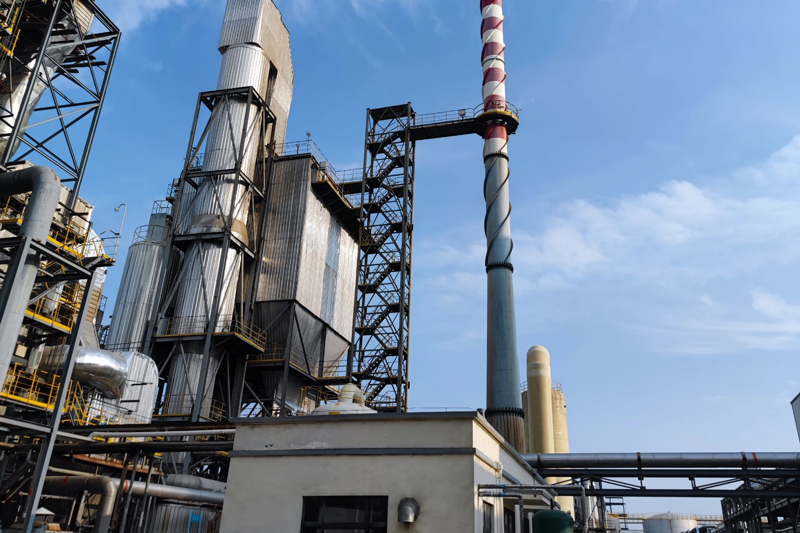
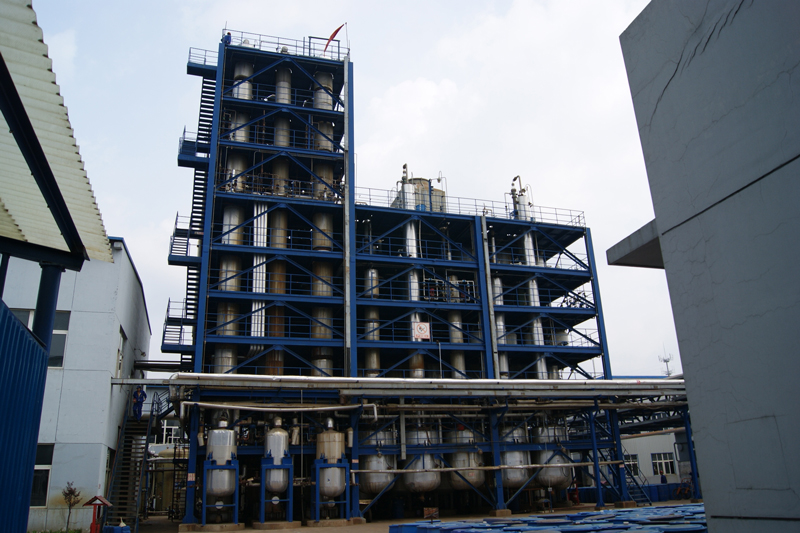
JIMPOCHEM CO., LTD was established in 2010 and is headquartered in the Chemical Industry Park of Jinan City, Shandong Province. The company covers an area of over 500 acres and is a professional chemical raw material manufacturer that integrates research and development, production, sales, and technical services. Its core focus is on high-end fine chemicals and cosmetic raw materials.
We have obtained multiple product related certifications, including ISO quality system certification and environmental management system certification, and are committed to providing high-quality chemical products and one-stop procurement service solutions to global customers.
Our core team comprises experts with over 10 years of experience in the chemical industry. This enables us not only to provide professional products but also to offer solutions in product development, formula optimization, and supply chain management, meeting the personalized needs of diverse clients.
We provide high-quality products and services, and our products are exported to over 200 countries and regions in Europe, America, Southeast Asia, the Middle East, and Oceania, serving more than 5,000 international companies. We have also established long-term strategic partnerships with many internationally renowned chemical companies, becoming a trusted "designated chemical service provider" for numerous clients.
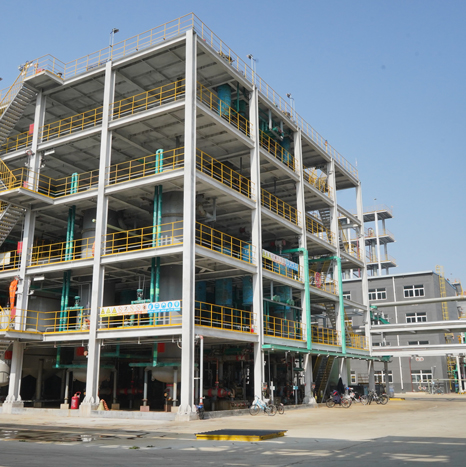
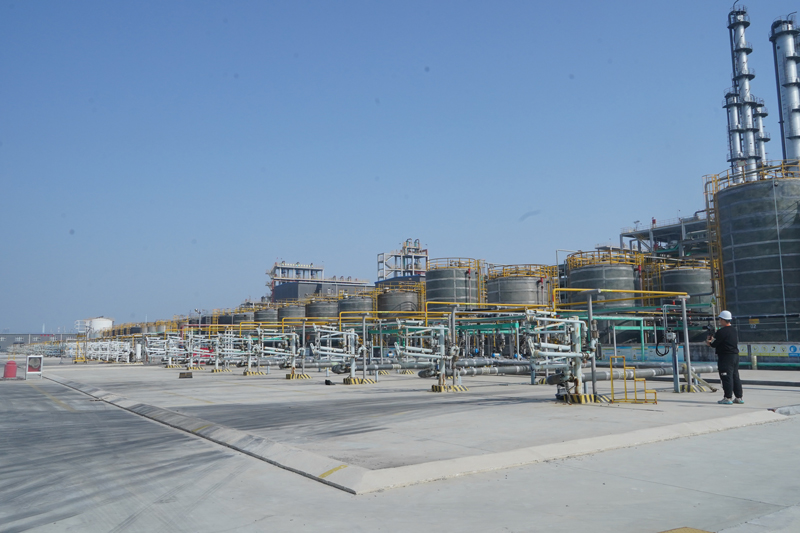
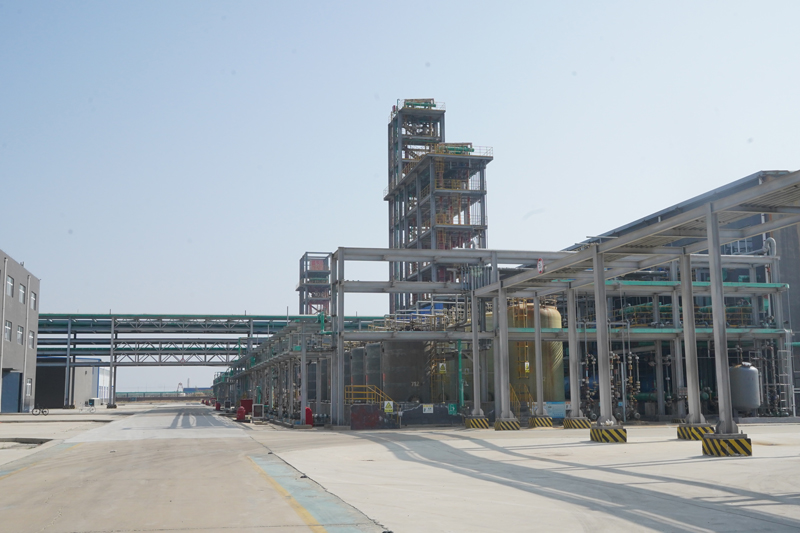
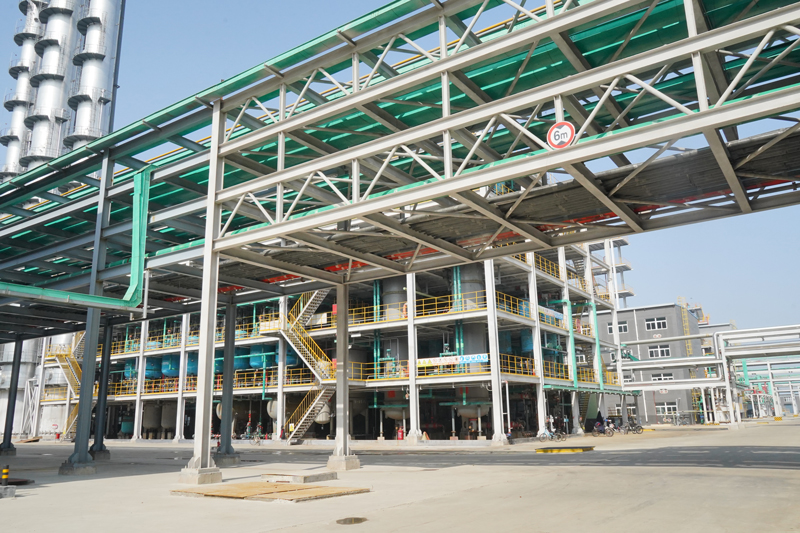
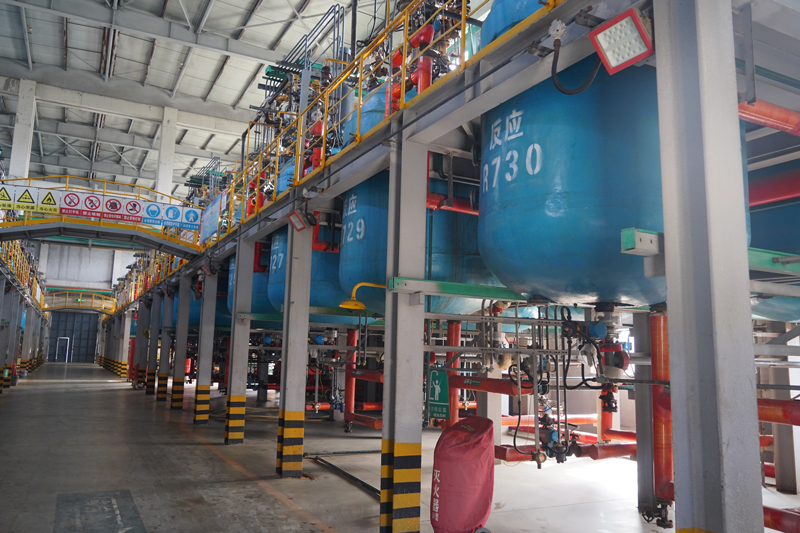
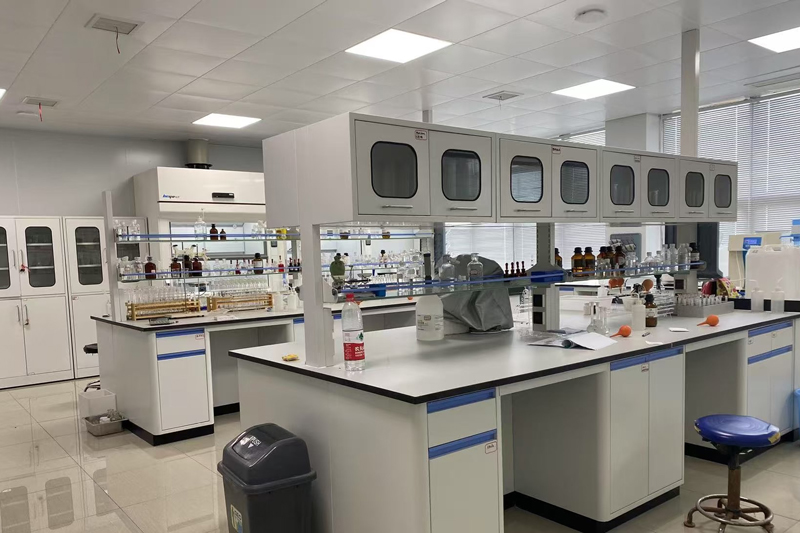
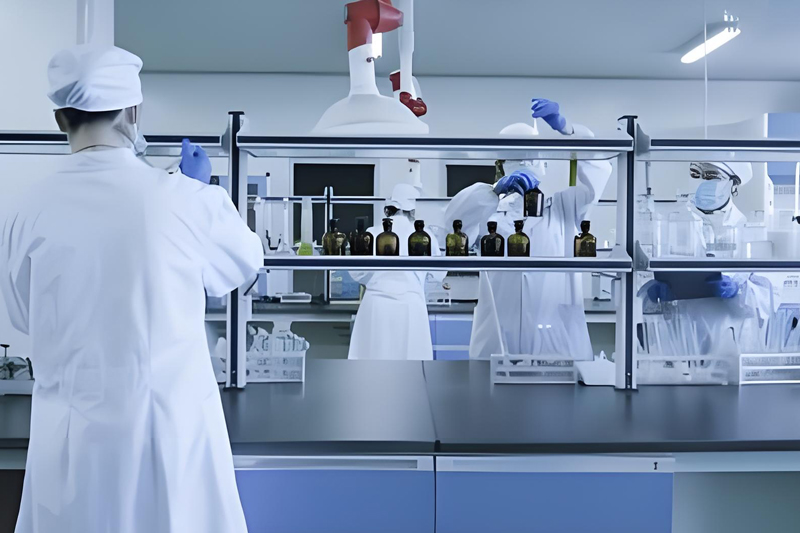
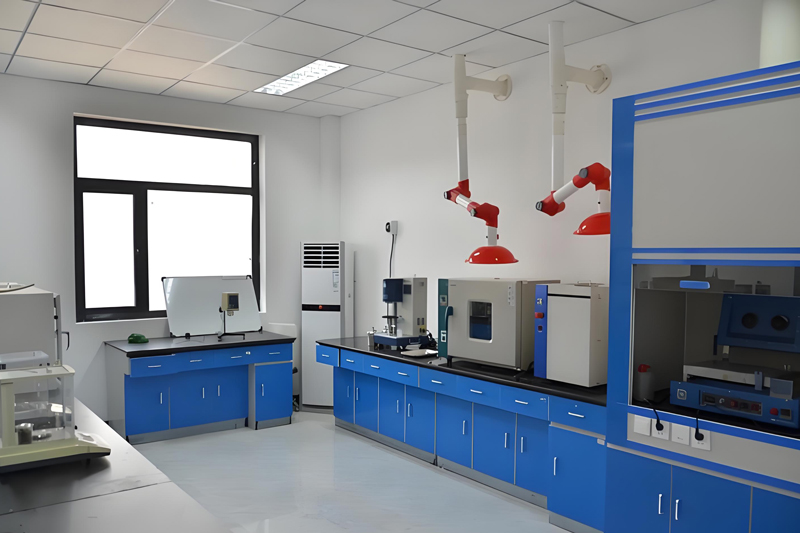
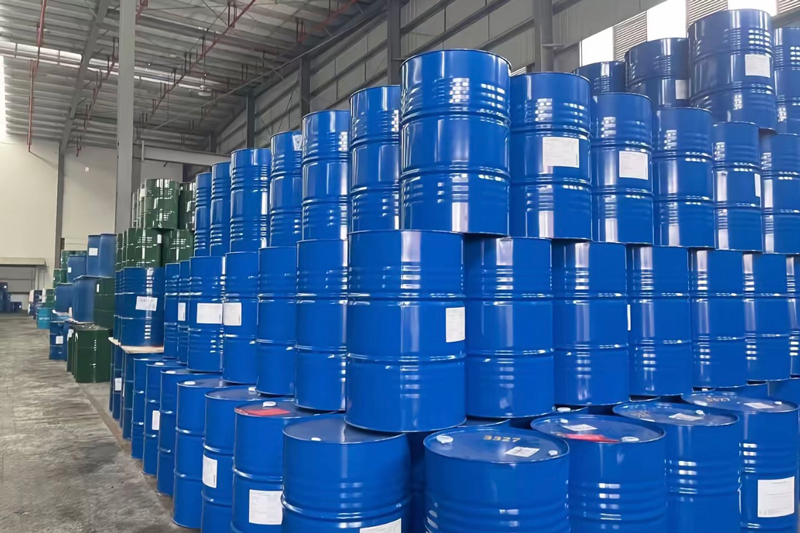
State-of-the-art laboratory R&D, Automated Packaging, and Quality Testing
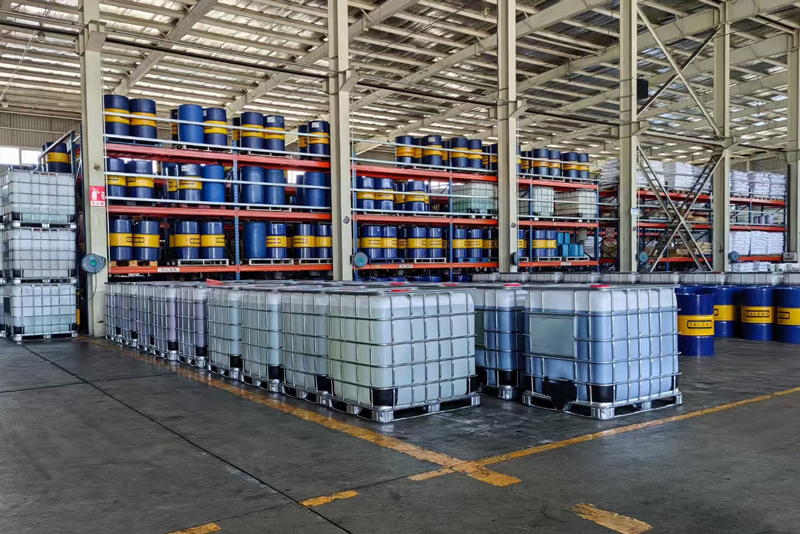
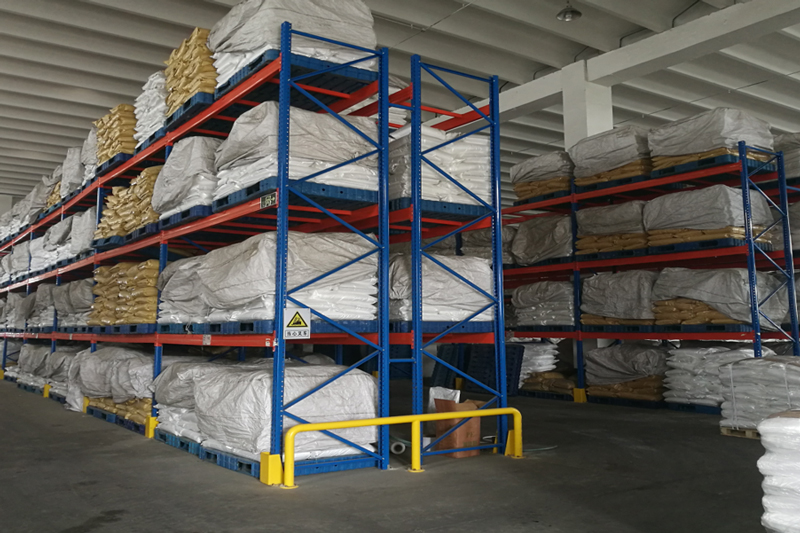
Integrated "R&D - production - application - service" solutions spanning across multi-sector chemical demands.
Cosmetics, makeup, perfume, facial cleansers, hand sanitizers, body wash, toothpaste, and specialty skin care formulations demanding stable active delivery.
Production of active pharmaceutical ingredients (API), pharmaceutical excipients, intermediates, solvents, catalysts, reactants, and medical anesthesia products.
Packaging, automobiles, tire manufacturing, industrial sealants, and high-durability polymer components.
Architectural and decorative coatings, protective industrial coatings, high-resolution printing inks, and industrial specialty inks.
High-purity food additives, antimicrobial preservatives, standardized colorants, and specialized nutritional fortification compounds.
Manufacturing semiconductor solvents, printed circuit boards (PCBs), advanced display materials, battery electrolytes, and fluorinated thermal fluids.
High-grade organic compounds, daily chemical ingredients, and specialized APIs
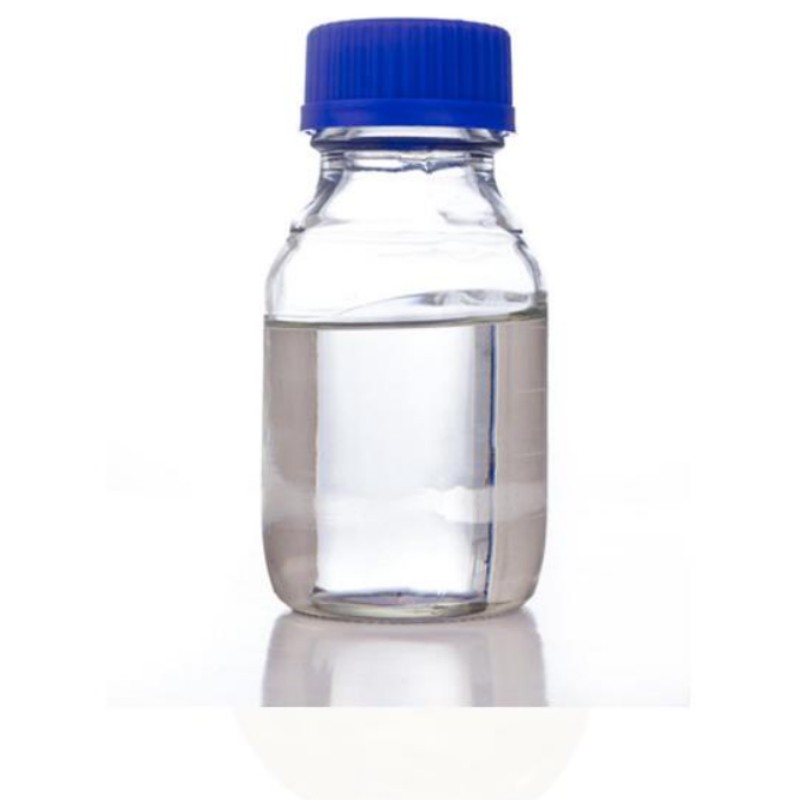
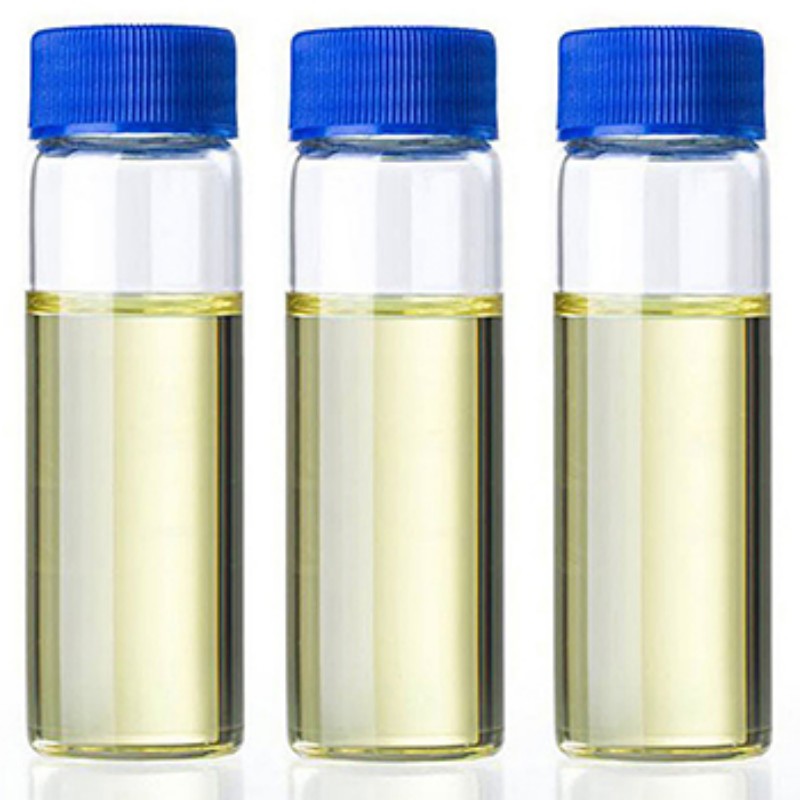
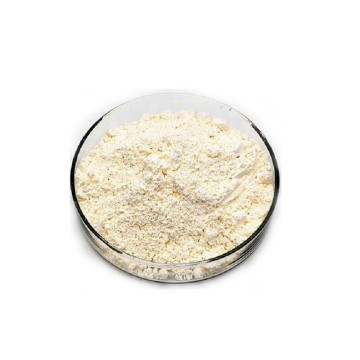
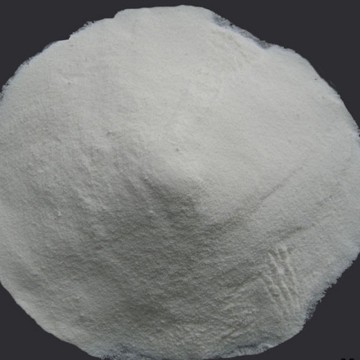
Explore high-purity ingredients ready for global export, complete with CoA, ISO documentation, and full batch traceability.
Expert insights regarding chemical specifications, stability, shipping protocols, and custom compounding solutions.
 JIMPOCHEM