Explore our premium factory-direct chemical stock featuring verified certificates of analysis (CoA) and scalable global logistics.
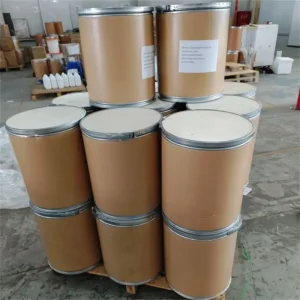
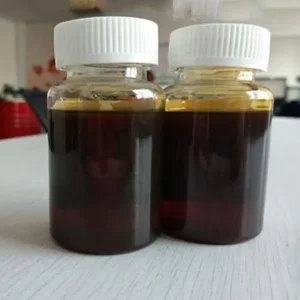
In-depth structural breakdown, chemical mechanisms, and strict quality control standards for industrial procurement.
In modern chemical synthesis and high-end cosmeceutical manufacturing, sourcing pure active compounds with precise stereochemistry and minimal trace impurities is essential. Both Tranexamic Acid (CAS 1197-18-8) and Azelaic Acid (CAS 123-99-9) have emerged as indispensable active ingredients across global dermatological, pharmaceutical, and specialty chemical markets. As global demand accelerates for targeted hyperpigmentation control, post-inflammatory erythema (PIE) mitigation, and gentle keratinocyte regulation, B2B procurement teams require validated analytical data, clear synthesis pathways, and transparent purity guarantees.
Combining Tranexamic Acid (a synthetic derivative of the amino acid lysine) and Azelaic Acid (a naturally occurring saturated dicarboxylic acid) in advanced dual-phase systems delivers synergistic inhibition of tyrosinase expression and plasminogen-induced melanogenesis. Selecting the correct particle size distribution (micronized vs. crystalline) and isomeric purity (pure trans-isomer for Tranexamic Acid) directly influences formula stability, skin penetration kinetics, and bio-availability.
| Chemical Property / Parameter | Tranexamic Acid Specification | Azelaic Acid Specification |
|---|---|---|
| CAS Registry Number | 1197-18-8 | 123-99-9 |
| IUPAC Chemical Name | trans-4-(Aminomethyl)cyclohexanecarboxylic acid | Nonanedioic acid / 1,7-Heptanedicarboxylic acid |
| Molecular Formula & Weight | C8H15NO2 | 157.21 g/mol | C9H16O4 | 188.22 g/mol |
| Assay Purity (HPLC / Titration) | ≥ 99.5% (pure trans-isomer) | ≥ 99.0% (Pharma & Cosmetic Grades) |
| Physical State & Appearance | White crystalline powder, odorless | White to light cream crystalline powder / Micronized |
| Melting Point Range | > 300 °C (decomposes) | 106.5 °C to 110 °C |
| Solubility Profile | Freely soluble in water (167 g/L at 25°C), insoluble in ethanol | Slightly soluble in cold water, soluble in hot water, alcohol, glycol |
| Heavy Metals & Impurities | Pb ≤ 5 ppm, As ≤ 1 ppm, Total Impurities ≤ 0.5% | Heavy Metals ≤ 10 ppm, Ash ≤ 0.1%, Related Substances ≤ 0.5% |
| Primary Industrial Function | Anti-plasmin active, anti-melanogenesis inhibitor, API component | 5-alpha-reductase inhibitor, anti-bacterial (P. acnes), keratolytic agent |
Tranexamic Acid functions by reversibly blocking the lysine binding sites on plasminogen molecules. This action inhibits plasminogen activator (PA) from converting plasminogen to plasmin. In dermal layers, plasmin activity triggers the release of arachidonic acid, alpha-MSH, and prostaglandins, which stimulate melanocytes. By suppressing this inflammatory cascade, industrial-grade Tranexamic Acid effectively treats refractory melasma and prevents UV-induced hyperpigmentation.
Azelaic acid exerts a selective cytotoxic and antiproliferative effect on hyperactive and abnormal melanocytes by inhibiting mitochondrial oxidoreductase enzymes and DNA synthesis. Furthermore, its competitive inhibition of tyrosinase reduces melanin production without affecting normal pigmentation. In dermatological formulations, Azelaic Acid acts as an effective anti-acne agent through its antibacterial activity against Cutibacterium acnes and reduction of follicular keratinization.
Analysis of cross-border procurement trends, regional market dynamics, and volume requirements across international chemical markets.
Driven by clinical skincare trends, demand for combined 3%-5% Tranexamic Acid serums and 10%-15% Azelaic Acid OTC treatments has grown rapidly. Bulk procurement standardizes on high-purity micronized grades to meet strict FDA monographs and stability standards.
European cosmetic manufacturers operate under strict EU Cosmetics Regulation Annex III limits. Sourcing strategies focus on full REACH registration, detailed toxicological files, minimal trace metal levels, and zero residual solvents (ICH Q3C compliant).
As the largest production region for functional skincare and API intermediates, APAC buyers require bulk multi-ton supply contracts, flexible custom packaging (25kg drums to 500kg super sacks), and direct factory pricing structures.
Overcoming solubility challenges, recrystallization, and thermal degradation in advanced chemical matrices.
Formulating with high-concentration Azelaic Acid and Tranexamic Acid presents specific physical chemistry challenges. Azelaic Acid’s high melting point and hydrophobic nature can cause crystal agglomeration, grit feeling, and instability in aqueous phases. Conversely, Tranexamic Acid requires stabilized pH buffering to prevent discoloration over shelf life under heat exposure.
To maximize bioavailability and eliminate gritty textures in topical suspensions, industrial formulators combine Azelaic Acid with carrier systems like PPG-20 Methyl Glucose Ether and Solketal (CAS 100-79-8). These specialized ester systems reduce surface tension, stabilize active ingredients at pH 4.5–5.5, and enhance skin penetration without irritating the cutaneous barrier.
Next-generation active delivery relies on lipid-based nano-carriers. Encapsulating Tranexamic Acid inside phospholipid bilayers increases epidermal retention by 340% while shielding the amino acid core from oxidative breakdown and ionic interaction with secondary emulsifiers or trace minerals.
Sustainable production methods, continuous microfluidics, and bio-based raw material innovations.
Traditional chemical oxidation of oleic acid via ozonolysis is being replaced by enzymatic biotransformation using engineered yeast strains. This bio-based route lowers carbon footprints by 45% while yielding high-purity nonanedioic acid free from toxic catalyst residues.
Transitioning from batch reactors to continuous microfluidic synthesis enables precise temperature regulation during Tranexamic Acid stereospecific trans-isomerization. This approach yields over 99.8% stereopurity while reducing hazardous thermal runaways.
Advanced fluid-energy jet milling achieves consistent particle size distribution profiles ($D_{90} < 10\mu m$), eliminating the grit texture typical of traditional Azelaic Acid suspensions without compromising crystalline integrity.
Combining chemical engineering expertise with modern production facilities and reliable global customer support.
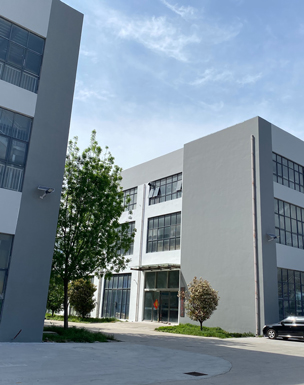
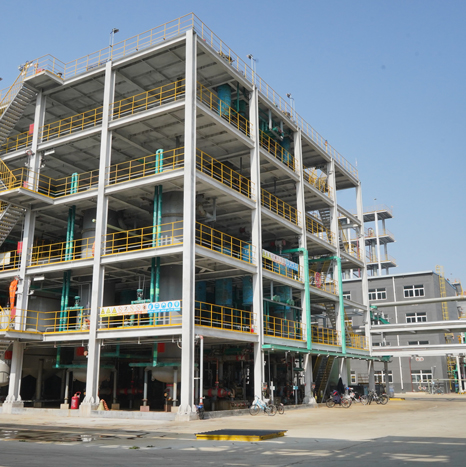
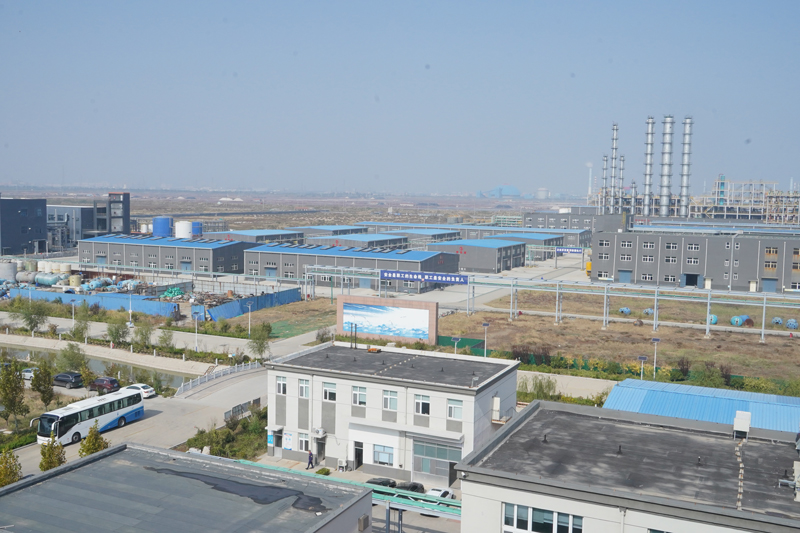
Founded in 2010, JIMPOCHEM CO., LTD is located in the Jinan Chemical Industry Park, Shandong Province. Spanning an area of over 500 acres, the facility integrates chemical R&D, automated continuous production, global trade, and technical support. Our core product portfolio centers on high-end fine chemicals, pharmaceutical raw materials, and cosmetic ingredients.
Equipped with ISO 9001 quality management systems and ISO 14001 environmental certifications, JIMPOCHEM delivers reliable chemical supply chains and end-to-end purchasing solutions for corporate clients worldwide.
With over 16 years of experience, our technical team offers complete product development support, formula optimization, and supply chain risk hedging. We serve over 5,000 corporate clients across 200+ countries in Europe, North America, Southeast Asia, and the Middle East.
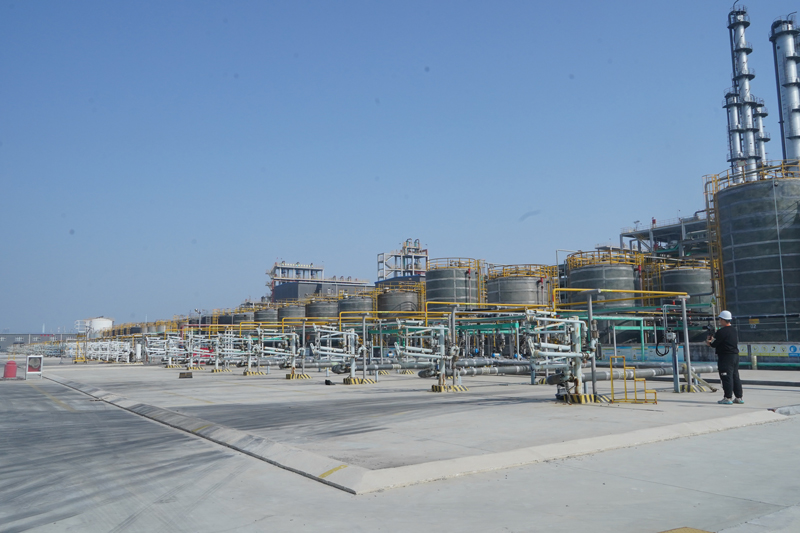
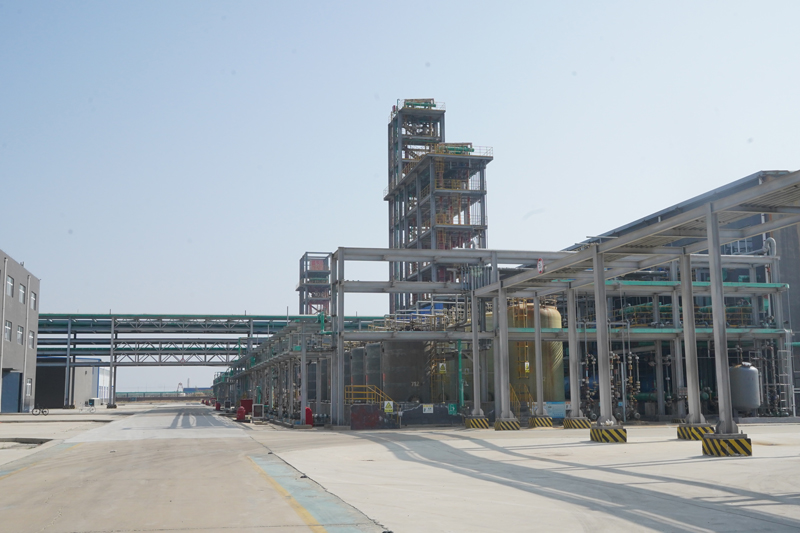
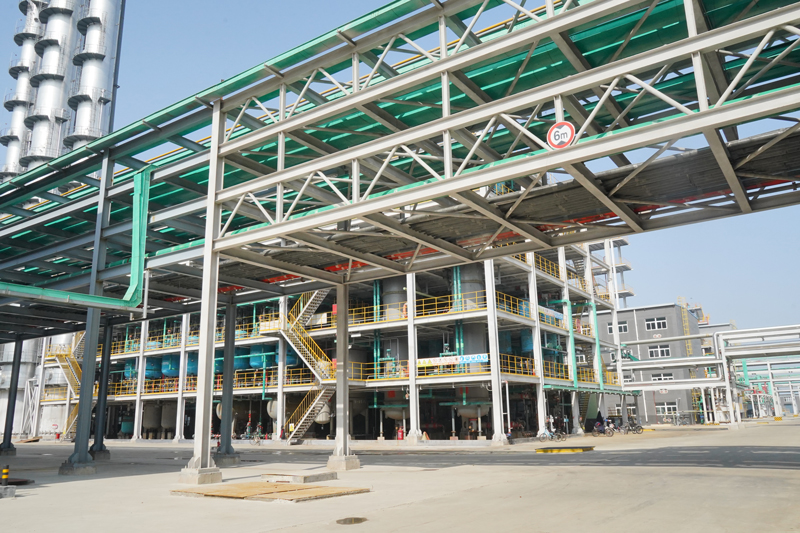
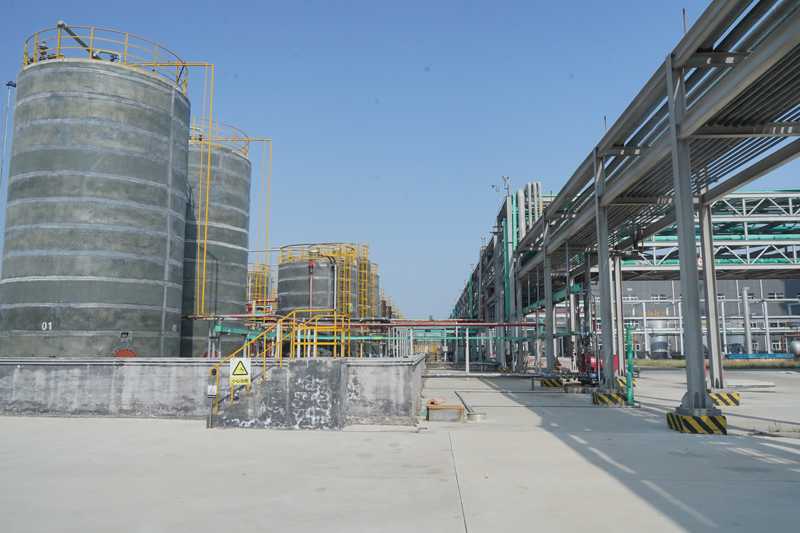
Providing custom chemical solutions across daily cosmetics, pharmaceuticals, polymers, coatings, and energy sectors.
Formulating whitening creams, dark spot correctors, anti-acne gels, clearing lotions, personal cleansers, shampoos with Zinc Pyrithione (CAS 13463-41-7), and hydration agents like Sodium Phytate (CAS 14306-25-3).
Producing active pharmaceutical ingredients, synthesis solvents, anti-fibrinolytic agents, topical dermatological actives, oral mucosal treatments, and buffer salts such as Tris Base (CAS 77-86-1).
Supplying specialty heat stabilizers, plasticizers, industrial antioxidants, and custom additives including Magnesium Myristate (CAS 4086-70-8) for powder binders and polymer lubricants.
Providing bio-based building blocks like 2,5-Furandicarboxylic Acid (FDCA CAS 3238-40-2) for green polyester coatings, high-performance printing inks, corrosion inhibitors, and industrial surface treatments.
Manufacturing regulated preservatives, nutritional fortifiers, acidity regulators, and natural antimicrobial agents such as Epsilon-Polylysine (CAS 28211-04-3) and D-Mannose (CAS 3458-28-4).
Formulating ultra-pure fluorine compounds, lithium electrolyte additives like LITFSI (CAS 90076-65-6), semiconductor cleaning solvents, and fluorinated specialty ethers like HFE-7200.
Comprehensive analytical testing protocols ensuring full batch traceability and global safety compliance.
At JIMPOCHEM, product quality is our primary focus. Every batch of Tranexamic Acid and Azelaic Acid undergoes rigorous multi-stage analytical testing before leaving our facility.
Assesses isomeric purity to ensure Tranexamic Acid contains ≥ 99.5% active trans-isomer, eliminating inactive cis-isomers. Quantitative detection threshold is calibrated to 0.01%.
Inductively Coupled Plasma Mass Spectrometry measures trace elements (Lead, Arsenic, Mercury, Cadmium) down to parts-per-billion (ppb) levels, meeting global pharmaceutical standards.
Every shipment includes a QR-linked Certificate of Analysis (CoA), SDS documentation, batch production records, raw material source validation, and logistics tracking history.
Direct technical and logistics answers tailored for chemical buyers, R&D directors, and supply chain managers.
Discover our broader range of fine chemicals, specialty solvents, and active pharmaceutical ingredients available for bulk order.
 JIMPOCHEM