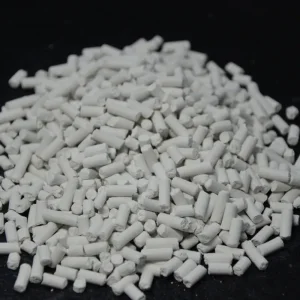
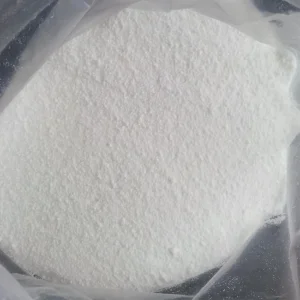
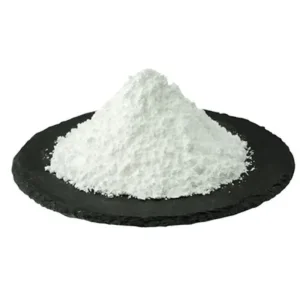
Direct factory supply of high-purity cosmetic raw materials, functional intermediates, and active pharmaceutical components.
Understanding the molecular dynamics, biochemical pathways, and dual-action therapeutic efficacy in B2B cosmetic & pharmaceutical manufacturing.
In modern dermatological science and high-performance cosmeceutical synthesis, the combination of Niacinamide (Nicotinamide / Pyridine-3-carboxamide, CAS 98-92-0) and Azelaic Acid (Nonanedioic Acid, CAS 123-99-9) represents one of the most clinically validated synergistic duos. Brand owners, cosmetic chemists, and procurement executives seeking reliable manufacturing partners must look beyond basic ingredient sourcing to understand how these two actives interact structurally and biological within advanced skincare delivery networks.
Niacinamide is a water-soluble amide form of Vitamin B3. Operating as a critical precursor to the coenzymes NAD(H) and NADP(H), Niacinamide drives cellular energy production within keratinocytes, stimulates ATP production, and upregulates lipid synthesis (ceramides, free fatty acids, and cholesterol). At concentrations between 2.0% and 5.0%, it exhibits powerful anti-inflammatory effects by inhibiting nuclear factor-kappa B (NF-κB) pathways, downregulating pro-inflammatory cytokines such as IL-6, TNF-α, and IL-1β. Furthermore, Niacinamide inhibits the transfer of melanosomes from melanocytes to surrounding keratinocytes by up to 68%, making it a cornerstone agent for epidermal hyperpigmentation control.
Conversely, Azelaic Acid is a naturally occurring saturated dicarboxylic acid featuring a 9-carbon chain structure. Its primary mechanism involves competitive inhibition of tyrosinase, specifically targeting hyperactive or abnormal melanocytes without disturbing normal pigmentation. Additionally, Azelaic Acid displays potent antimicrobial properties against Propionibacterium acnes (Cutibacterium acnes) and Staphylococcus epidermidis by disrupting bacterial protein synthesis. It also acts as a reversible inhibitor of 5-alpha-reductase, neutralizing localized dihydrotestosterone (DHT) generation in follicular units, thereby reducing sebum hypersecretion.
| Parameter | Niacinamide (CAS 98-92-0) | Azelaic Acid (CAS 123-99-9) |
|---|---|---|
| Chemical Formula | C6H6N2O | C9H16O4 |
| Molecular Weight | 122.12 g/mol | 188.22 g/mol |
| Solubility Profile | Highly Water-Soluble (1000 g/L at 20°C) | Slightly Soluble in Water (2.4 g/L at 20°C); Soluble in Glycols/Ethanol |
| Optimal Formulation pH | 5.0 - 7.0 (Avoids hydrolysis to Niacin) | 4.0 - 5.5 (Ensures lipid membrane penetration) |
| Primary Bio-Action | Melanosome Transfer Blockade & Barrier Repair | Competitive Tyrosinase & Keratinocyte Antiproliferation |
Combining Niacinamide and Azelaic Acid within a single B2B product matrix requires sophisticated vehicle engineering due to their differing solubility parameters and pH stability windows. Niacinamide readily dissolves in aqueous phases, whereas Azelaic Acid presents crystalline lipophilic characteristics with limited aqueous solubility. Factory-level micro-emulsification, liposomal encapsulation, and polyol-based solubilization techniques developed at JIMPOCHEM ensure that both actives maintain thermodynamic stability without recrystallization or phase separation over extended shelf-life cycles.
Macro-economic trends, regulatory purity thresholds, and international procurement standards in 2026 and beyond.
The global demand for high-purity Niacinamide and Azelaic Acid has experienced compound annual growth rates (CAGR) exceeding 8.4% across North America, the European Union, and the Asia-Pacific region. Driven by consumer migration toward clinically validated, non-irritating dermatological solutions, B2B procurement managers are re-evaluating their supply chains to favor integrated chemical manufacturers capable of guaranteeing low trace-impurity profiles.
High-end skin brightening and anti-acne formulations require Niacinamide with residual Nicotinic Acid content under 100 ppm to prevent cutaneous flushing. Industrial suppliers must utilize continuous purification technologies to meet these stringent B2B standards.
Regulatory authorities including the US FDA and EU SCCS have implemented stricter auditing on heavy metal contamination (Arsenic < 1 ppm, Lead < 2 ppm) and residual solvent limits in bulk cosmetic raw materials.
Global brand houses are shifting away from fragmented trading intermediates to establish direct bulk supply contracts with tier-1 Asian factories featuring integrated vertical production from basic petrochemicals to refined APIs.
Next-generation bio-fermentation, continuous flow crystallization, and green enzymatic synthesis shaping the future of industrial production.
As sustainability mandates reshape the chemical manufacturing landscape, chemical engineers at JIMPOCHEM are advancing eco-friendly synthesis pathways that minimize carbon footprints while accelerating batch purity yields.
Traditional chemical synthesis of Niacinamide via 3-cyanopyridine hydrolysis requires high-temperature alkaline conditions that risk generating residual nicotinic acid impurities. The next-generation industrial roadmap utilizes recombinant Nocardia rhodochrous nitrilase biocatalysts for whole-cell enzymatic hydration of 3-cyanopyridine under ambient temperatures (25°C - 30°C) and neutral pH (7.0 - 7.5). This enzymatic transformation achieves a 99.8% conversion rate with zero nicotinic acid byproduct formation, yielding ultra-pure cosmetic-grade Niacinamide suitable for sensitive skin applications.
Conventional production of Azelaic Acid involves the oxidative cleavage of oleic acid using hazardous nitric acid oxidation or batch ozonolysis, generating energetic safety risks and secondary waste streams. The modernized technical route implements microchannel continuous-flow reactors for controlled ozonolysis of renewable vegetable oil-derived oleic acid. By regulating residence times within micro-reactors down to milliseconds, mass transfer rates are enhanced by two orders of magnitude, eliminating thermal runaways and reducing hazardous chemical emissions by over 60%.
To overcome the poor aqueous solubility and tactile grittiness of raw Azelaic Acid, modern facilities employ supercritical fluid (SCF) precipitation. This process generates micro-fine crystals with particle sizes (D90 < 5 microns), enhancing bioavailability and texture in finished gels and emulsions.
Combining both ingredients in nano-liposomal or solid lipid nanoparticle (SLN) matrices enables controlled sustained release within the stratum corneum, preventing initial skin stinging while maximizing therapeutic efficacy over 24-hour delivery cycles.
Tailored B2B application profiles across cosmetic, clinical dermatology, and personal care manufacturing.
Formulation Target: 10% Azelaic Acid + 4% Niacinamide Serum/Gel.
Mechanism: Dual anti-inflammatory action reducing follicular hyperkeratinization and neutralizing C. acnes without induce antibiotic resistance.
Formulation Target: Brightening Emulsions with 5% Niacinamide + 5% Azelaic Acid + 2% N-Acetyl Glucosamine.
Mechanism: Simultaneous inhibition of melanin synthesis pathways and prevention of melanosome transfer to upper epidermal layers.
Formulation Target: Calming Creams featuring 15% Azelaic Acid + 2% Niacinamide + Soothing Agents.
Mechanism: Downregulation of kallikrein-5 (KLK5) and cathelicidin peptide (LL-37) expression, suppressing facial redness and vascular hyper-reactivity.
Leveraging Jinan’s world-class chemical cluster to deliver bulk scalability, strict quality control, and cost leadership.

Headquartered in the premier Chemical Industry Park of Jinan City, Shandong Province, JIMPOCHEM CO., LTD operates across an expansive manufacturing footprint exceeding 500 acres. Integrating R&D, commercial-scale chemical synthesis, and international technical service, JIMPOCHEM is dedicated to supplying premium fine chemicals and advanced cosmetic raw materials to the global market.
Driven by intelligent control systems, automated continuous distillation, and automated batch reactors, our facilities balance multi-ton bulk production with bespoke custom chemistry solutions.
Streamlining international market entry through comprehensive documentation and custom technical solutions.
To support smooth clearance across international customs and healthcare authorities, JIMPOCHEM provides full regulatory packages with every shipment:
Our dedicated R&D technical team provides one-on-one consultation to assist global brand formulators with:
Expert responses addressing key chemical, formulation, and global procurement queries.
Explore our full line of fine chemicals, specialty additives, and functional ingredients available for global distribution.
 JIMPOCHEM