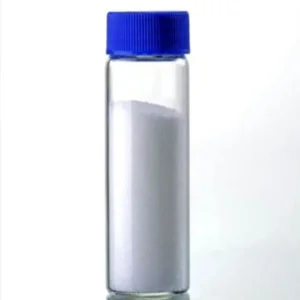
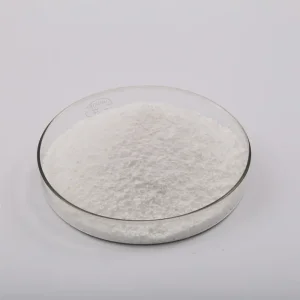
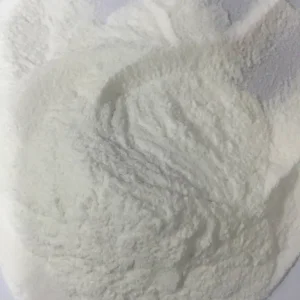
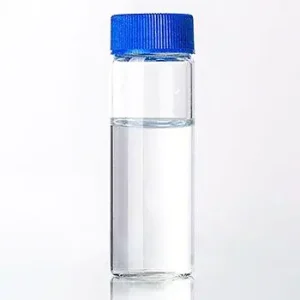
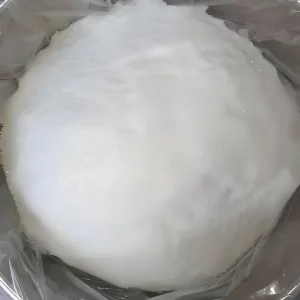
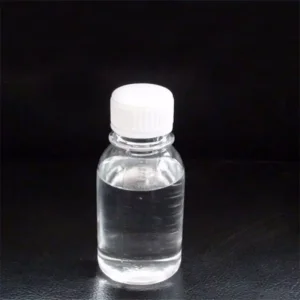
Buy n-Dodecanoylsucrose Manufacturer & Manufacturers

Global Industrial Whitepaper & High-Purity Bio-Based Non-Ionic Surfactant Supply Chain Optimization Guide (CAS 25339-99-5 / 37318-31-3)

Featured High-Purity Fine Chemicals

Premium raw material offerings backed by ISO-certified manufacturing and full technical support.

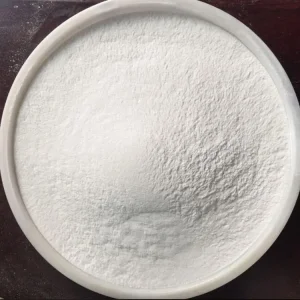
Buy Sodium pyruvate CAS 113-24-6 Factory

Sodium Pyruvate CAS 113-24-6 Factory Supply

View Details & Inquiry
China Sodium L-Pyroglutamate CAS 28874-51-3

Sodium L-Pyroglutamate CAS 28874-51-3

View Details & Inquiry
Sodium Pyruvate Powder Supplier

Sodium Pyruvate White Powder CAS 113-24-6

View Details & Inquiry
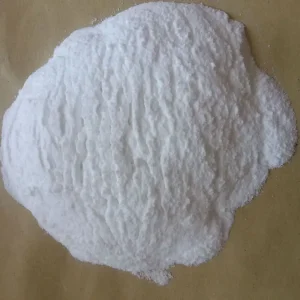
N-Acetyl-D-Glucosamine CAS 7512-17-6

N-Acetyl-D-Glucosamine CAS 7512-17-6 Powder

View Details & Inquiry
N-Acetyl-D-Glucosamine Suppliers

N-Acetyl-D-Glucosamine CAS 7512-17-6 Bulk

View Details & Inquiry
Sodium L-Pyroglutamate Moisturizing Ingredient

Sodium L-Pyroglutamate Natural Moisturizing Factor

View Details & Inquiry
Phenolphthalein CAS 77-09-8

Phenolphthalein Acid-Base Indicator CAS 77-09-8

View Details & Inquiry
Isopropyl myristate CAS 110-27-0

Isopropyl Myristate CAS 110-27-0 High Grade

View Details & Inquiry

Executive Summary & Technical Architecture of n-Dodecanoylsucrose

n-Dodecanoylsucrose, chemically identified as Sucrose Monolaurate (CAS Registry Numbers 25339-99-5 and 37318-31-3), stands at the forefront of modern carbohydrate-based bio-surfactants. Composed of a hydrophilic sucrose polar head group covalently linked to a hydrophobic 12-carbon aliphatic laurate tail via an ester linkage, n-Dodecanoylsucrose exhibits an exceptional Hydrophilic-Lipophilic Balance (HLB) value of approximately 15. This specific molecular geometry empowers it as an ultra-mild, highly effective non-ionic emulsifier, solubilizer, and stabilizer across cosmetic formulations, pharmaceutical drug delivery matrices, bioprocess membrane extraction, and green industrial applications.

As global regulatory frameworks under EU REACH, US FDA, and China NMPA accelerate the phase-out of ethoxylated surfactants (SLES, PEGs) and harsh sulfates, procurement executives and cosmetic chemists are seeking certified n-Dodecanoylsucrose manufacturers capable of delivering industrial quantities with rigorous monoester purity (≥80% to ≥95%), minimal residual sugar, and low fatty acid impurities. JIMPOCHEM CO., LTD., a leading chemical manufacturer operating a 500-acre smart production complex in Jinan, Shandong, delivers state-of-the-art sucrose ester production leveraging advanced enzymatic synthesis and continuous molecular distillation.

"Information Gain Benchmark: Unlike conventional synthetic surfactants derived from petrochemical ethylene oxide, n-Dodecanoylsucrose is 100% bio-derived, rapidly biodegradable, and non-toxic to aquatic ecosystems, exhibiting a Critical Micelle Concentration (CMC) of ~0.2 mM that provides superior solubilization efficiency at exceptionally low working dosages."

Chemical Structure, Synthesis Routes, and Quality Benchmarks

The chemical synthesis of high-purity n-Dodecanoylsucrose requires sophisticated control over regioselectivity. Sucrose possesses eight hydroxyl groups (three primary at C-6, C-1', C-6' and five secondary). Direct chemical esterification with methyl laurate or lauric acid yields a complex mixture of monoesters, diesters, and higher polyesters. Leading manufacturers employ targeted catalytic strategies to maximize monoester yields.

Enzymatic Transesterification

Utilizes immobilized lipases (such as Candida antarctica Lipase B) in non-aqueous green solvents or ionic liquids. Achieves regioselective monoester yields exceeding 92% at C-6 or C-6' positions under mild thermal conditions (40°C - 55°C).

Chemical Transesterification

Base-catalyzed reaction of sucrose with vinyl laurate or methyl laurate in polar aprotic solvents (DMSO/DMF) followed by multi-stage solvent extraction and falling-film molecular distillation to strip residual solvents to <1 ppm.

Short-Path Distillation

Physical fractioning process separating mono-esters from di- and tri-esters. Essential for high-clarity liquid formulations demanding stable transparent microemulsions across wide thermal spectra.

Technical Specification Comparison: Cosmetic vs Pharmaceutical Grade

Specification Parameter Standard Commercial Grade High-Purity Cosmetic Grade Pharma / Bio-Research Grade
Chemical Name n-Dodecanoylsucrose / Sucrose Monolaurate (CAS 25339-99-5)
Monoester Content (%) ≥ 70.0% ≥ 82.0% ≥ 95.0% (HPLC)
Free Sucrose (%) ≤ 3.0% ≤ 1.5% ≤ 0.5%
Free Fatty Acid (as Lauric Acid) ≤ 2.0% ≤ 1.0% ≤ 0.2%
Heavy Metals (as Pb) ≤ 20 ppm ≤ 10 ppm ≤ 5 ppm
Water Content (Karl Fischer) ≤ 4.0% ≤ 2.0% ≤ 1.0%
Appearance Off-white to light yellow powder Fine white crystalline powder Pure white freeze-dried powder

Localized Industrial Application Scenarios & Formulation Guidelines

1. Clean Beauty & Sensitive Skin Personal Care Formulations

In modern cosmetic science, n-Dodecanoylsucrose serves as a key active ingredient for clean-label, eco-certified skincare products. Due to its sugar-head structure, it exhibits zero skin-irritation indices in human repeat insult patch tests (HRIPT). Key formulation benefits include:

  • Ultra-Gentle Cleansing Oils & Micellar Waters: Forms thermodynamically stable microemulsions capable of solubilizing waterproof makeup without disrupting stratum corneum lipid bilayers.
  • Sulfate-Free Baby Shampoos & Foaming Cleansers: Acts as a primary or secondary surfactant, creating dense, creamy foam while counteracting the drying effects of alkyl polyglucosides (APGs).
  • Preservative-Boosting Synergy: The 12-carbon laurate chain destabilizes bacterial cell envelopes, enabling cosmetic chemists to reduce conventional preservative loads (e.g., phenoxyethanol, parabens) by up to 50%.

2. Pharmaceutical Transdermal Enhancement & Lipid Nanocarriers

In pharmaceutical technology, n-Dodecanoylsucrose serves as a non-toxic permeation enhancer for transdermal drug delivery systems (TDDS) and a stabilizer for solid lipid nanoparticles (SLNs) and niosomes:

  • Transdermal Permeation: Reversibly alters intracellular lipid packing within the stratum corneum, increasing the flux of hydrophobic and hydrophilic active pharmaceutical ingredients (APIs).
  • Biomacromolecule Solubilization: Widely used in structural biology for extracting and crystallizing delicate transmembrane proteins without denaturation.

3. Food Processing & Agricultural Eco-Formulations

Approved as a food additive (E473 in Europe), sucrose esters function as effective antimicrobial emulsifiers in beverage stabilization, bakery texture modification, and post-harvest fruit coatings that delay respiration and weight loss. In green agriculture, n-Dodecanoylsucrose functions as a bio-degradable adjuvant for bio-pesticides, reducing spray surface tension while increasing foliar retention.

16+
Years Industry Leadership
500+
Acres Manufacturing Complex
200+
Export Destinations Globally
5,000+
Enterprise Partners Served

Global Supply Chain Resilience & China Manufacturing Advantages

The global supply chain for sugar-based surfactants has undergone significant restructuring. Escalating raw material costs and stringent environmental regulations in Western nations have driven global buyers toward established Chinese chemical manufacturers capable of delivering vertical integration, regulatory compliance, and price stability.

JIMPOCHEM: 16 Years of Operational & Technical Excellence

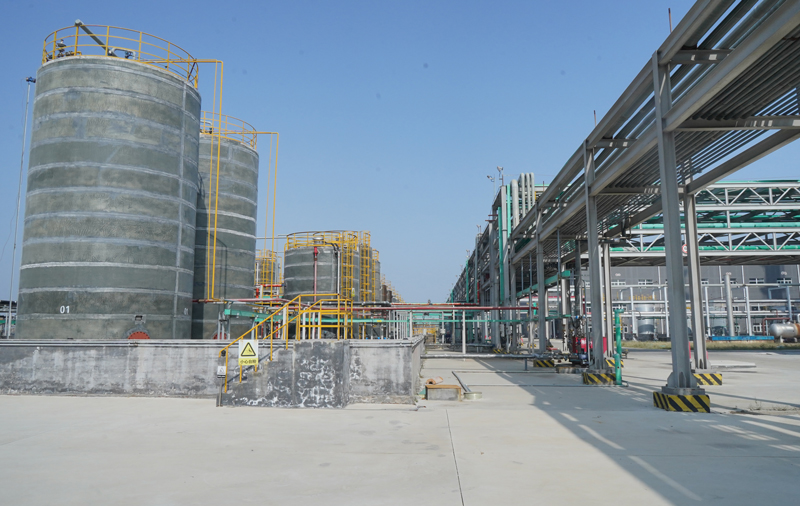
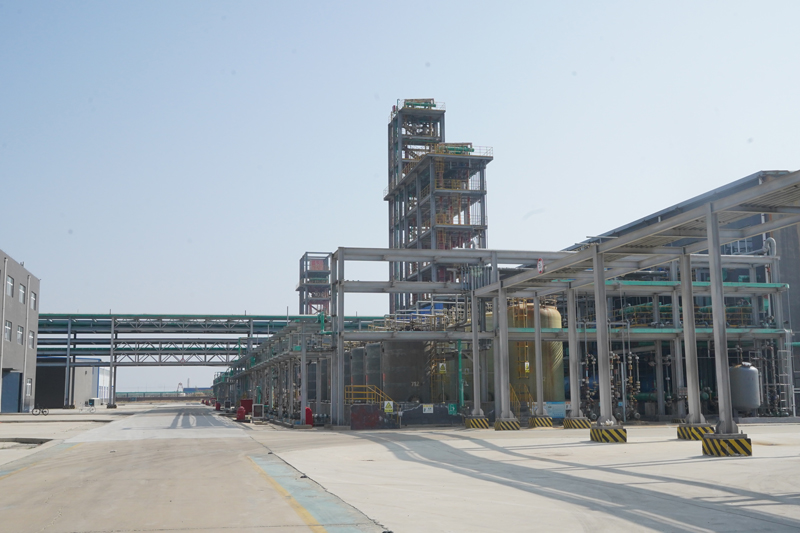
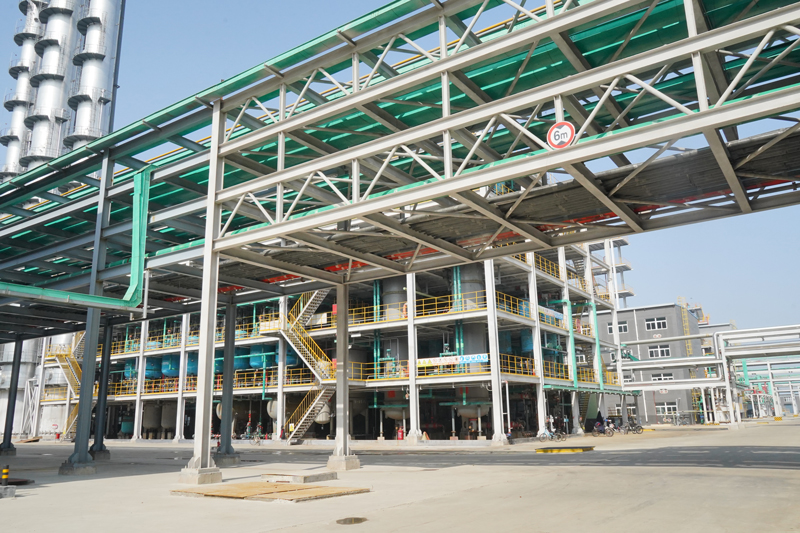
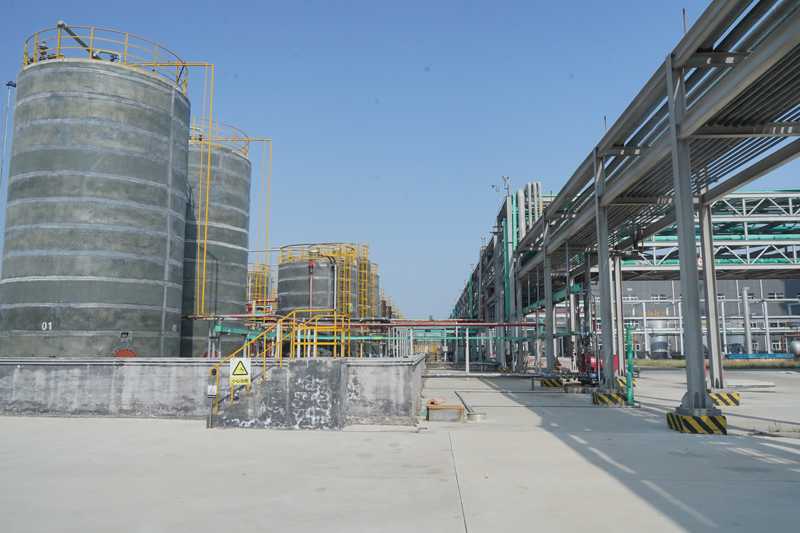
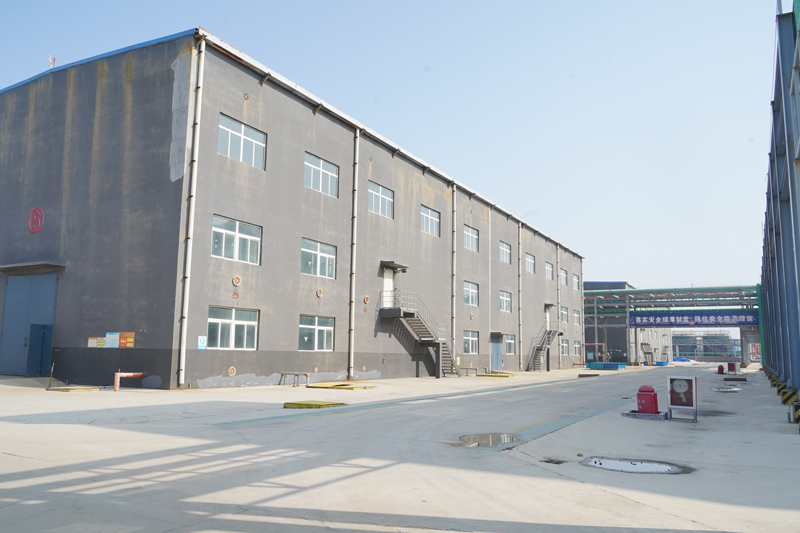
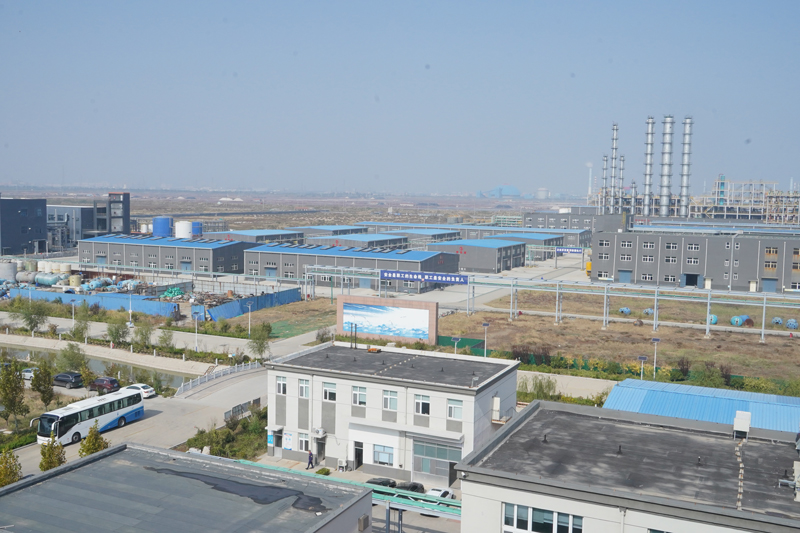
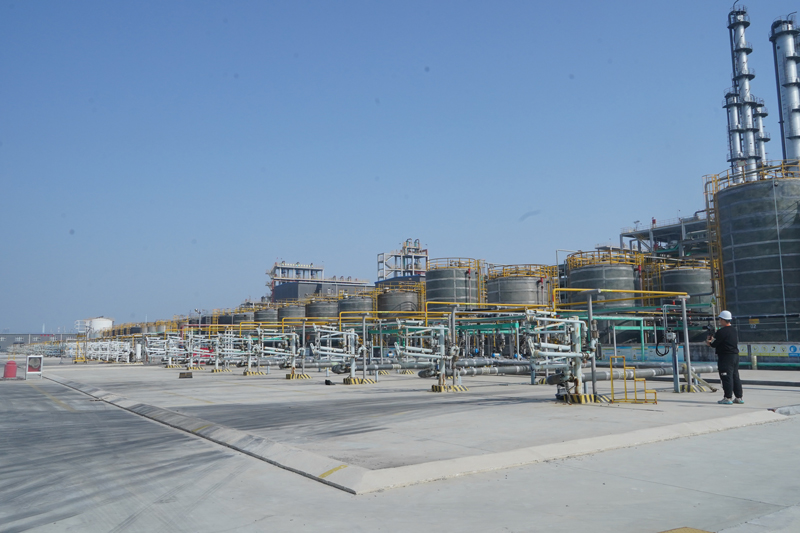
Founded in 2010 and strategically located within the Chemical Industry Park of Jinan City, Shandong Province, JIMPOCHEM CO., LTD. operates a 500-acre modern production base equipped with fully automated Distributed Control Systems (DCS). With 16 years of continuous R&D and commercial scale-up experience, JIMPOCHEM bridges the gap between raw ingredient synthesis and finished formulation success.

Vertical Supply Chain Integration

Direct sourcing of non-GMO cane sugar and natural palm-kernel lauric acid ensures stable raw material cost control and continuous production capability even during global supply chain dislocations.

Intelligent Process Automation

DCS-controlled reactor loops guarantee precise temperature, pressure, and catalyst dosing controls, eliminating batch-to-batch variance and yielding superior monoester ratios.

Full Traceability & QC Rigor

Every shipment is issued with batch-specific HPLC analysis, GC residual solvent testing, heavy metal ICP-MS records, and micro-organism count reports for full regulatory compliance.
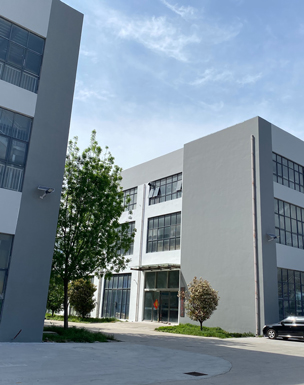

State-of-the-Art Production & R&D Facilities

Technology Roadmap & Future Innovations in Carbohydrate Chemistry

As industrial biotechnology advances, JIMPOCHEM is pioneering next-generation synthetic pathways for sucrose derivatives. The company's 5-year chemical engineering roadmap focuses on three strategic vectors:

  1. Continuous Enzymatic Micro-Reactor Systems: Transitioning from batch synthesis to continuous flow enzymatic reactors to boost volumetric productivity by 300% while cutting energy consumption by 45%.
  2. Ultra-High Monoester Fractionation: Commercializing specialized membrane separation columns capable of delivering >98% pure 6-O-monolaurylsucrose for structural biology and parenteral pharmaceutical applications.
  3. Zero-Carbon Footprint Production: Incorporating solar thermal loops and bio-based solvents into production lines to achieve carbon-neutral manufacturing status by 2028.

Regulatory Compliance & Global Customer Support

Sourcing fine chemical raw materials globally requires complete transparency regarding safety, transport, and international regulatory filings. JIMPOCHEM supports global clients through a dedicated regulatory compliance department:

  • REACH Compliance (Europe): Fully registered for bulk commercial distribution across EU member states.
  • FDA & Food Contact Approvals: Compliant with US FDA 21 CFR standards for indirect food additives and cosmetic raw materials.
  • Halal & Kosher Certifications: Annual auditing ensures 100% plant-derived, animal-free processing compliant with religious standards.
  • ISO Integrated Management Systems: Certified under ISO 9001 (Quality Management) and ISO 14001 (Environmental Management).

Comprehensive FAQ: Technical & Commercial Procurement Guide

Q1: What is the key chemical difference between n-Dodecanoylsucrose and Sucrose Laurate?
"n-Dodecanoylsucrose" is the precise IUPAC chemical designation specifying a single 12-carbon straight-chain acyl group (dodecanoyl) attached to sucrose. "Sucrose Laurate" is a broader commercial term that may describe mixtures containing varying proportions of monoesters, diesters, and minor chain lengths (C10, C14). High-purity n-Dodecanoylsucrose guarantees targeted surfactant characteristics and consistent HLB values (~15).
Q2: How does Monoester content affect formulation performance?
Monoesters possess high hydrophilic properties (HLB 15-16), making them excellent O/W emulsifiers and solubilizers for clear aqueous gels and micellar waters. High diester or triester content lowers the HLB value (HLB 6-9), transforming the product into a W/O emulsifier or thickener. For clear, high-foaming personal care items, a monoester purity of ≥80% is strongly recommended.
Q3: What are the recommended storage conditions to prevent hydrolysis?
n-Dodecanoylsucrose is a ester compound subject to thermal and pH-induced hydrolysis. Store sealed bags/drums in a cool, dry, well-ventilated warehouse at temperatures between 5°C and 25°C. Avoid exposure to high humidity. Under proper storage conditions, the shelf life is 24 months from the date of manufacture.
Q4: Can JIMPOCHEM provide custom mono/diester ratios for batch manufacturing?
Yes. Leveraging our multi-stage short-path distillation system, JIMPOCHEM can tailor monoester content from 50% up to >95% according to customer specifications, matching exact HLB requirements for specific cosmetic or industrial applications.
Q5: What is the typical Minimum Order Quantity (MOQ) and lead time for global shipments?
Standard commercial packaging is 25 kg fiber drums with inner PE liners. Samples (100g - 1kg) are available for immediate dispatch within 48 hours. Commercial MOQ starts at 100 kg. Standard factory lead time for sea freight bulk orders is 7 to 14 business days.
Q6: Is n-Dodecanoylsucrose compatible with cationic surfactants?
As a non-ionic surfactant, n-Dodecanoylsucrose exhibits excellent compatibility across a wide range of ionic systems, including anionic (sulfosuccinates, glutamate surfactants), amphoteric (betaines), and cationic (quaternary ammonium hair conditioning polymers) surfactants.

Factory Tour & Operational Capability

Take a closer look at our Jinan plant infrastructure, quality laboratory, and container loading logistics.
Explore More High-Quality Industrial Chemicals

Direct supply from JIMPOCHEM certified factory lines. Full documentation and samples available.
Ethyl Ascorbic Acid CAS 86404-04-8

Ethyl Ascorbic Acid CAS 86404-04-8

View Details & Inquiry
Benzethonium Chloride CAS 121-54-0

Benzethonium Chloride CAS 121-54-0

View Details & Inquiry
Dioctyl Sulfosuccinate Sodium Salt

Dioctyl Sulfosuccinate Sodium Salt CAS 577-11-7

View Details & Inquiry
Ascorbyl Glucoside AA2G CAS 129499-78-1

Ascorbyl Glucoside (AA2G) CAS 129499-78-1

View Details & Inquiry
Sodium Pyruvate Manufacturer Direct Supply

Sodium Pyruvate Direct Factory Manufacturer

View Details & Inquiry
Ethyl Nonafluorobutyl Ether HFE-7200

Ethyl Nonafluorobutyl Ether (HFE-7200) CAS 163702-05-4

View Details & Inquiry
Phenolphthalein Crystalline Powder

Phenolphthalein White Crystalline Powder CAS 77-09-8

View Details & Inquiry
Isopropyl Myristate Chemical Supplier

Isopropyl Myristate CAS 110-27-0 Manufacturers

View Details & Inquiry