 JIMPOCHEM
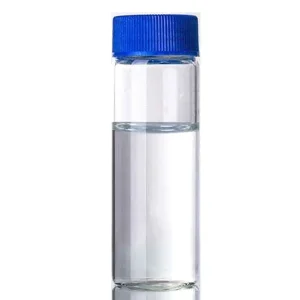
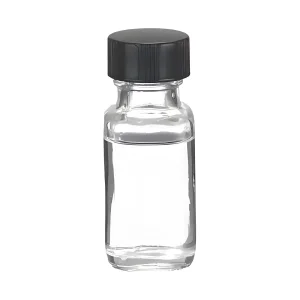
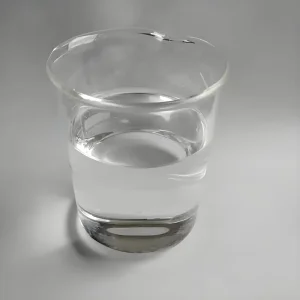
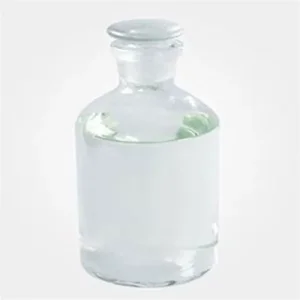
Emulsifier OP10, chemically designated as Polyoxyethylene Octylphenol Ether (CAS No. 9002-93-1), represents one of the most versatile nonionic surfactants utilized across global chemical synthesis, textile auxiliary manufacturing, pesticide formulation, and high-performance emulsion polymerization. Synthesized through the precise catalytic addition of ethylene oxide (EO) to 4-(1,1,3,3-tetramethylbutyl)phenol, Emulsifier OP10 exhibits a balanced molecular architecture featuring a rigid hydrophobic octylphenyl core and a flexible hydrophilic polyoxyethylene tail comprising an average of 10 ethoxy units.
Key Physico-Chemical Milestone Parameters of OP-10
Emulsifier OP10 boasts a Hydrophilic-Lipophilic Balance (HLB) value calculated within the 13.5 – 14.0 range, establishing it as a primary oil-in-water (O/W) emulsifier with exceptional wetting, detergent, dispersing, and solubilizing capabilities across acidic, neutral, and alkaline aqueous mediums.
1. Technical Specification & Physical Matrix
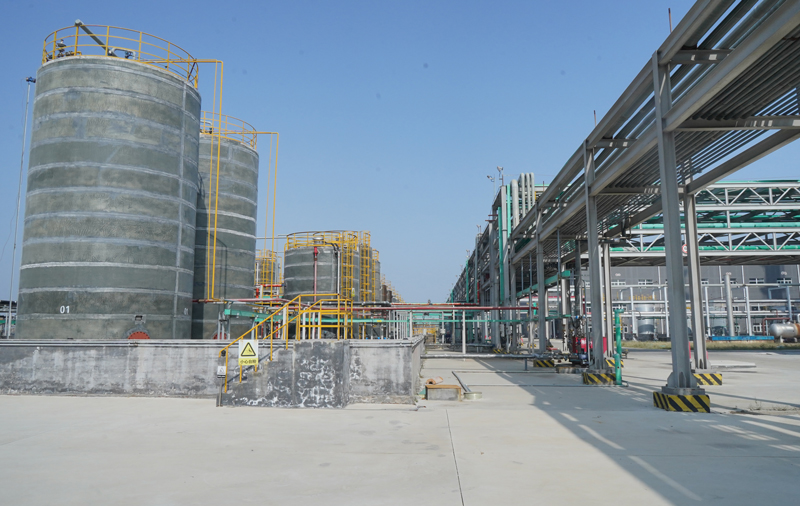
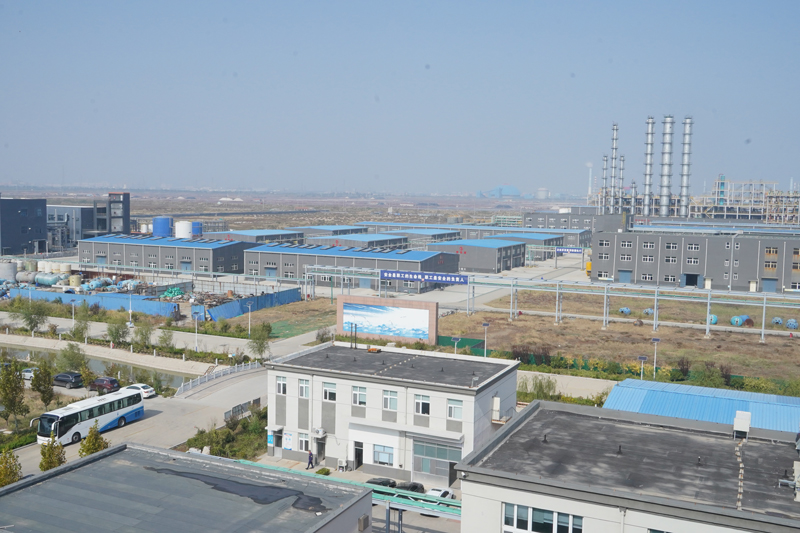
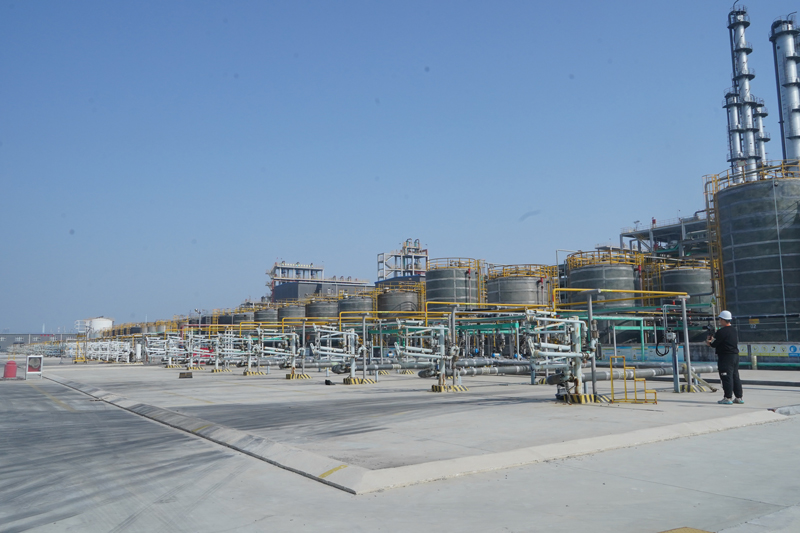
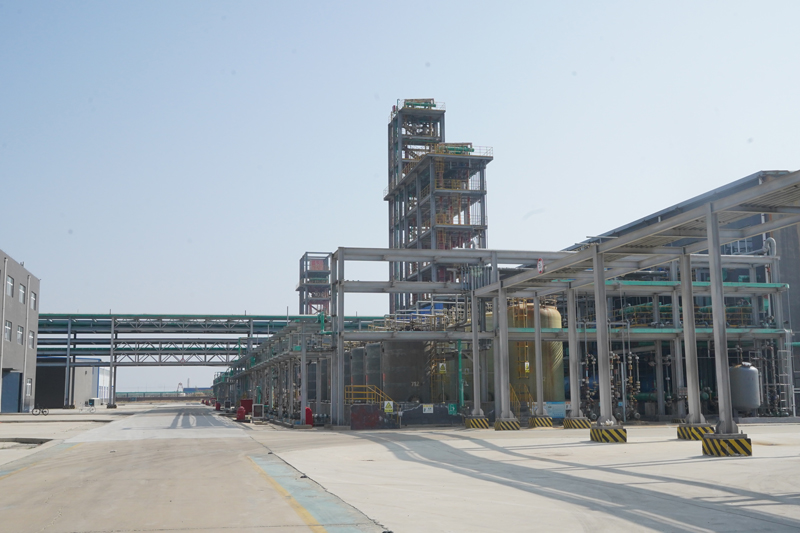
When evaluated by procurement teams and chemical process engineering directors, consistent specification control is vital. Below is the standardized technical specification sheet maintained at our automated Jinan manufacturing facility:
| Parameter Parameter | Standard Value / Specification | Test Methodology |
|---|---|---|
| Chemical Name | Polyoxyethylene (10) Octylphenyl Ether | IUPAC Nomenclature |
| CAS Registry Number | 9002-93-1 | Chemical Abstracts Service |
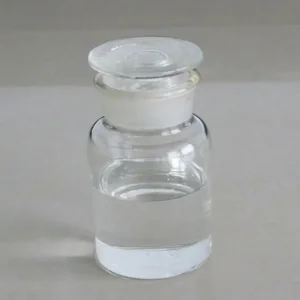
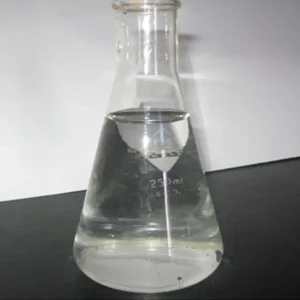
| Appearance (25°C) | Colorless to pale yellow transparent liquid / viscous liquid | Visual Inspection |
| Active Content (%) | ≥ 99.0% | ISO 6841 / High-Temp Titration |
| HLB Value | 13.5 – 14.0 | Davies Calculation Method |
| Cloud Point (1% Aq. Sol, °C) | 65.0 – 75.0 °C | GB/T 5559 Cloud Point Standard |
| pH Value (1% Aqueous Sol) | 6.0 – 7.5 | Digital pH Potentiometer |
| Surface Tension (25°C, 0.1%) | 30.0 – 34.0 mN/m | Wilhelmy Plate Method |
| Moisture Content (%) | ≤ 0.5% | Karl Fischer Titration |
2. Interfacial Physics & Micellization Mechanics
The operational superiority of Emulsifier OP10 stems from its rapid reduction of dynamic liquid-liquid and solid-liquid interfacial tension. Upon introduction into an aqueous phase, OP10 molecules rapidly migrate to hydrophobic boundaries. The octylphenyl hydrophobic tail inserts into the oil droplets or organic substrates, while the 10 ethoxy units extend into the water phase, establishing a sterically stabilized hydration shell.
Unlike ionic surfactants which depend strictly on electrostatic repulsion, Emulsifier OP10 provides steric hindrance stabilization. This property renders OP-10 resistant to electrolyte interference, hard water cations ($Ca^{2+}, Mg^{2+}$), and moderate thermal fluctuations below its cloud point, preventing phase separation, coalescence, and flocculation in complex industrial chemical formulations.