Direct factory sourcing of premium grade pharmaceutical raw materials, fine cosmetic actives, and organic intermediates supporting global supply chain stability.
Technical analysis of biological pathways, clinical efficacy in pigmentation management, and global formulation trends in modern cosmeceutical and pharmaceutical manufacturing.
In the rapidly evolving landscape of advanced dermatological therapeutics and functional cosmeceuticals, the strategic combination of Azelaic Acid (CAS 123-99-9) and Tranexamic Acid (CAS 1197-18-8) represents a landmark shift in multi-pathway hyperpigmentation management and skin-barrier restorative science. Historically positioned in separate therapeutic domains—Azelaic Acid as a dicarboxylic acid for rosacea and acne vulgaris, and Tranexamic Acid as a systemic antifibrinolytic agent—modern bio-chemical engineering has unlocked their synergistic potential for topical and dermal applications.
Azelaic acid functions via competitive inhibition of tyrosinase, the rate-limiting enzyme in melanin biosynthesis. Additionally, it exerts a selective cytotoxic effect on hyperactive or abnormal melanocytes by inhibiting mitochondrial oxidoreductase activity and DNA synthesis. Its anti-inflammatory properties are governed by scavenging reactive oxygen species (ROS) and downregulating pro-inflammatory cytokines such as IL-1β, IL-6, and TNF-α.
Tranexamic acid (trans-4-aminomethylcyclohexanecarboxylic acid) functions primarily as a plasminogen inhibitor. By reversibly blocking the lysine-binding sites on plasminogen molecules, it prevents keratinocyte plasminogen activation induced by ultraviolet (UV) radiation. This suppression reduces free arachidonic acid liberation and subsequent prostaglandin E2 (PGE2) synthesis, effectively inhibiting melanocyte stimulation and vascular hyper-reactivity (melasma-associated erythema).
Global market demand for these high-purity active pharmaceutical ingredients (APIs) and cosmetic raw materials is experiencing unprecedented growth. Driven by consumer shifts toward non-hydroquinone skin brightening alternatives and dermatologist-led formulation trends, procurement volumes for pharmaceutical-grade micronized Azelaic Acid and trans-isomer rich Tranexamic Acid have grown at a compound annual growth rate (CAGR) exceeding 9.4% globally over the past five years.
Detailed physical-chemical parameters, impurity profiles, and compliance benchmarks demanded by tier-1 global cosmetic manufacturers and pharmaceutical brands.
| Analytical Parameter | Azelaic Acid (Cosmetic / Pharma Grade) | Tranexamic Acid (EP / USP Grade) |
|---|---|---|
| CAS Registry Number | 123-99-9 | 1197-18-8 |
| Chemical Name | Nonanedioic acid / 1,7-heptanedicarboxylic acid | trans-4-(Aminomethyl)cyclohexanecarboxylic acid |
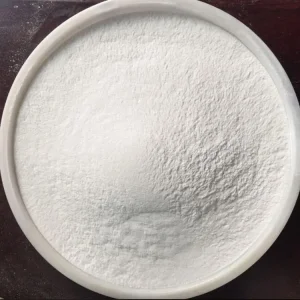
| Assay Purity (HPLC) | ≥ 99.5% Pure Active Substrate | 99.0% - 101.0% (Dried Basis) |
| Stereochemical Isomer Ratio | N/A (Acyclic Dicarboxylic Acid) | Trans-Isomer ≥ 99.5% (Cis-Isomer ≤ 0.5%) |
| Particle Size Distribution (D50/D90) | Micronized: D50 < 5µm, D90 < 15µm | Standard Crystalline / Micronized Available |
| Heavy Metals (as Pb) | ≤ 10 ppm max | ≤ 5 ppm max |
| Loss on Drying | ≤ 0.5% max | ≤ 0.5% max |
| Residue on Ignition | ≤ 0.1% max | ≤ 0.1% max |
| Regulatory Approvals | REACH Registered, FDA DMF Available, NMPA | EP / USP Monograph Compliant, CEP / DMF |
B2B buyers purchasing Azelaic Acid and Tranexamic Acid must evaluate crucial technical bottlenecks. For Azelaic Acid, high melting point (106.5°C) and poor solubility in both water and lipophilic solvents require precise particle size customization (micronization) to ensure formula stability without recrystallization or gritty texture. For Tranexamic Acid, strict stereospecific synthesis is essential; only the trans-stereoisomer exhibits biological activity, requiring advanced crystallization controls to eliminate inactive cis-isomers.
How advanced chemical park infrastructure, automated process controls, and strategic raw material integration solidify global competitiveness.
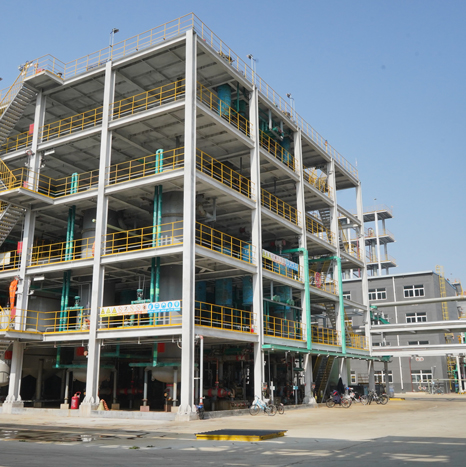
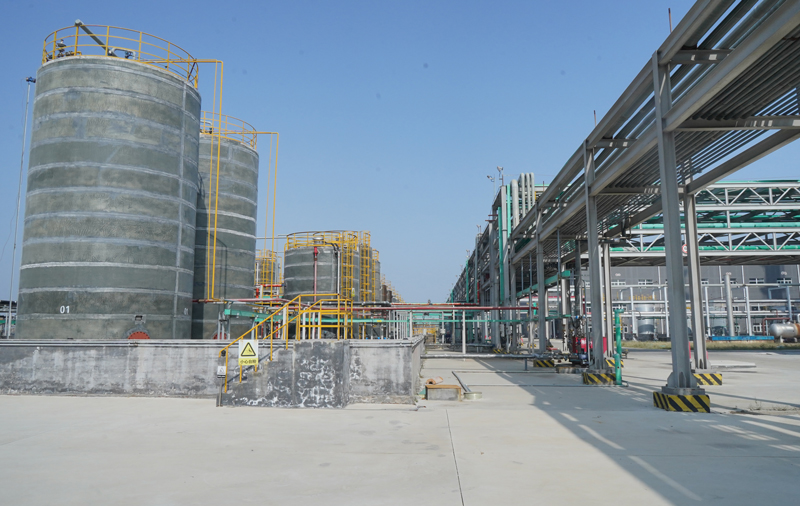
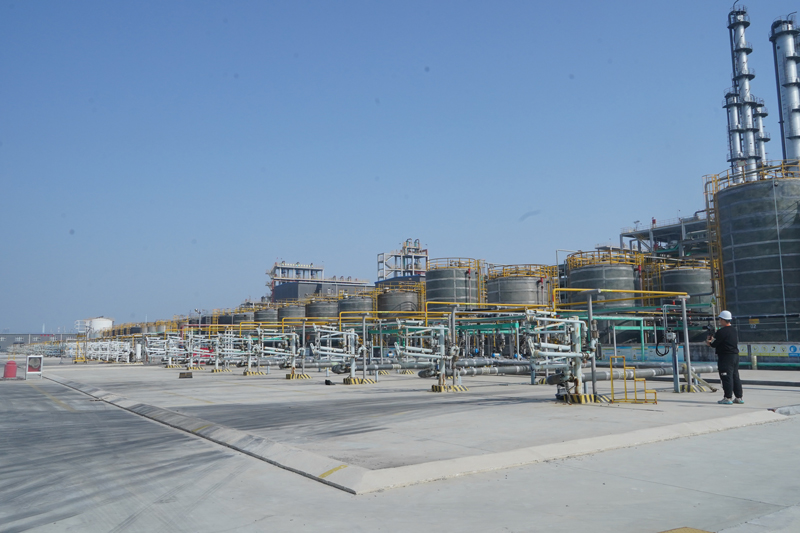
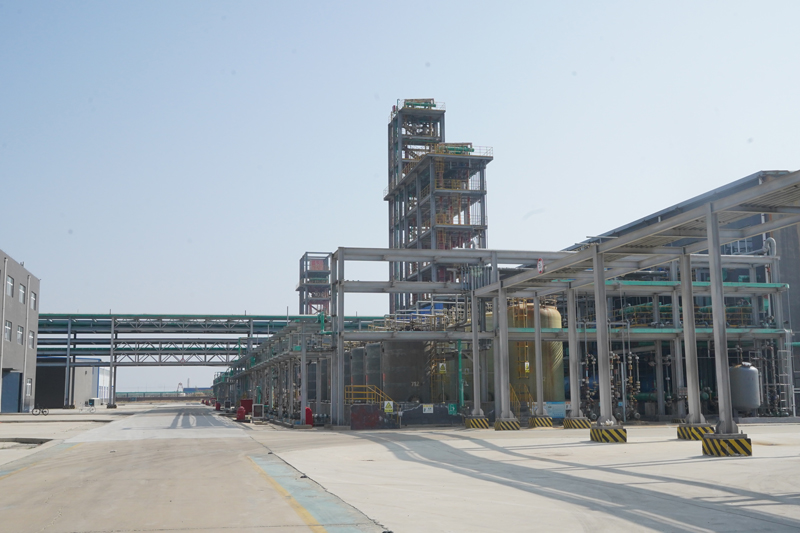
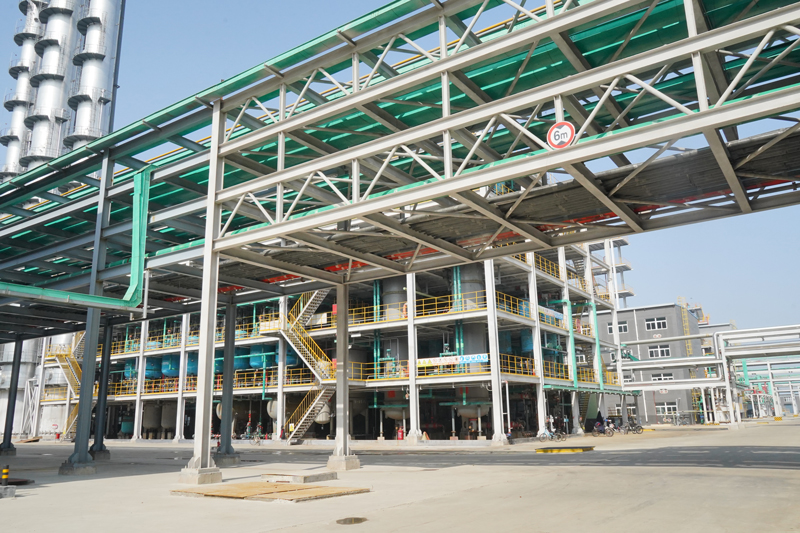
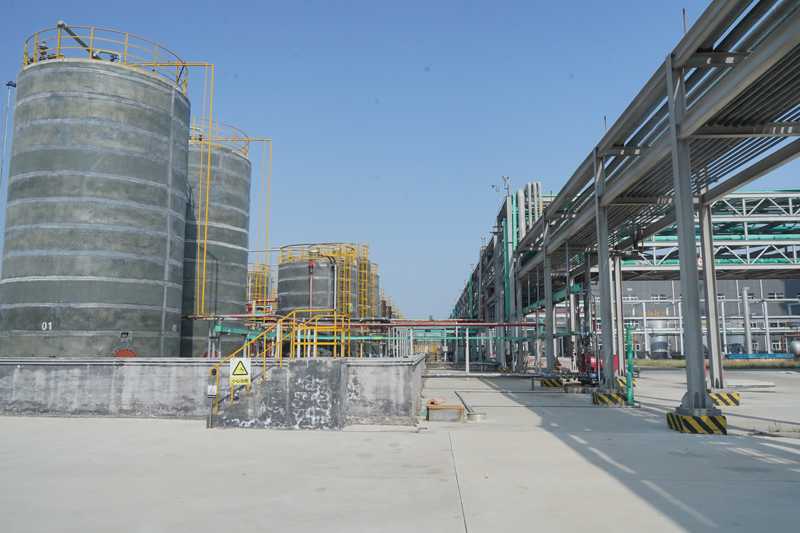
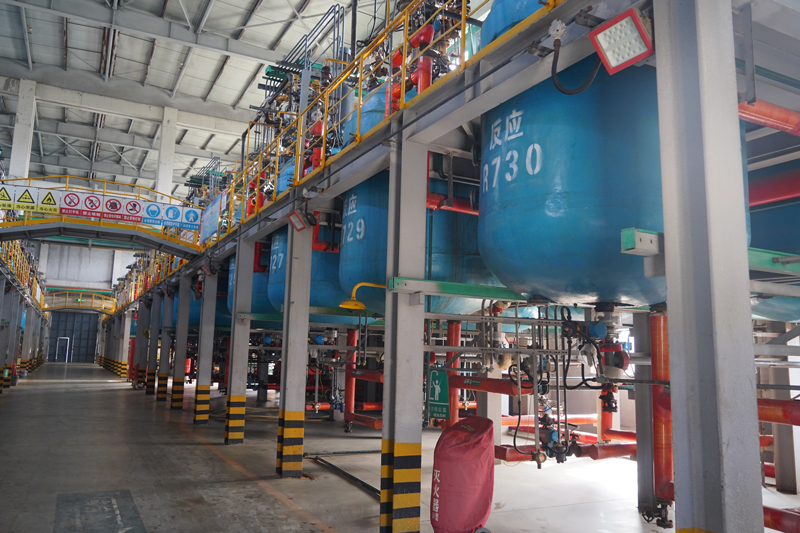
Utilizing Distributed Control Systems (DCS) and SCADA-monitored crystallization reactors, precision control over temperature gradients, reaction kinetics, and solvent recovery minimizes batch-to-batch variation. High-capacity automated synthesis reduces human error while maximizing active compound yield.
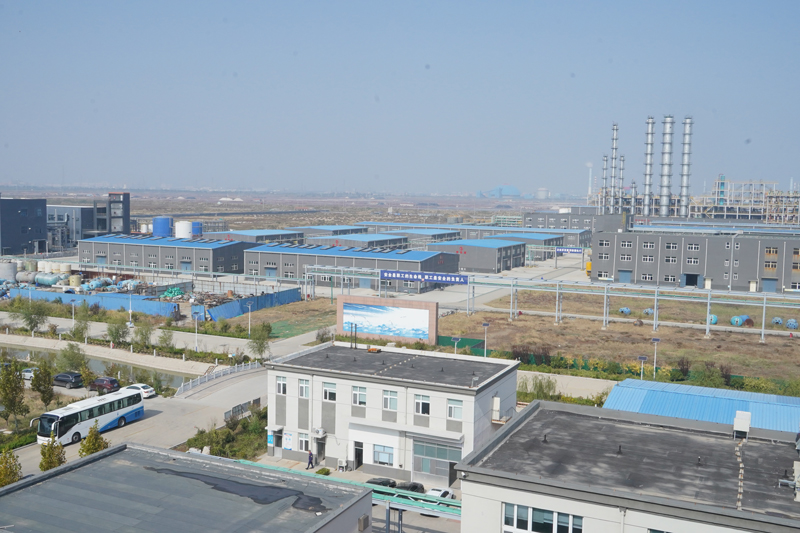
China's comprehensive chemical infrastructure ensures uninterrupted upstream supply chains for key precursors (such as oleic acid derivatives for azelaic acid and 4-aminomethylbenzoic acid hydrogenation streams for tranexamic acid), protecting buyers from global geopolitical supply shocks.
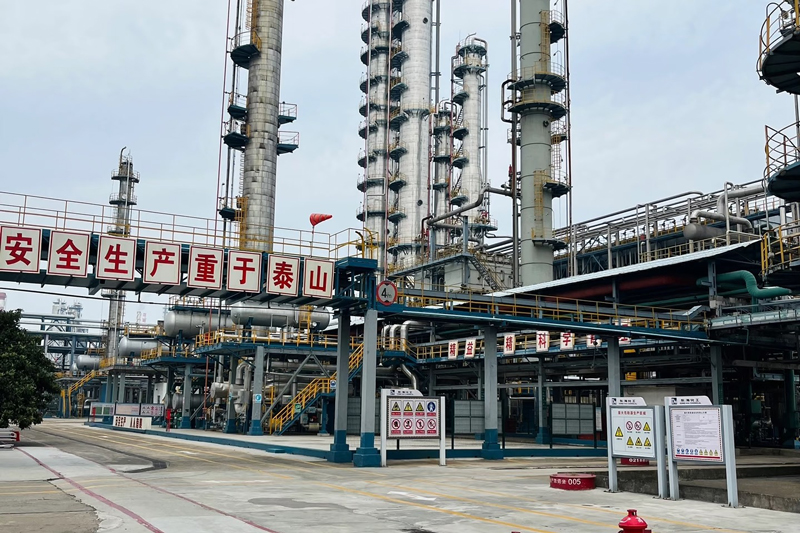
Adhering to national "Dual-Carbon" sustainability targets, production facilities deploy modern catalytic oxidation pathways, zero-liquid-discharge (ZLD) water purification units, and solvent recycling systems, reducing carbon intensity per ton of chemical compound produced.
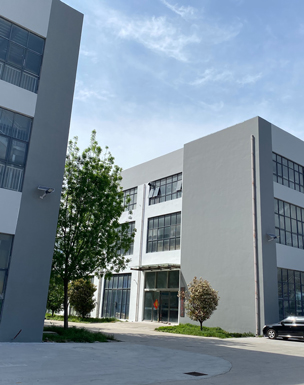
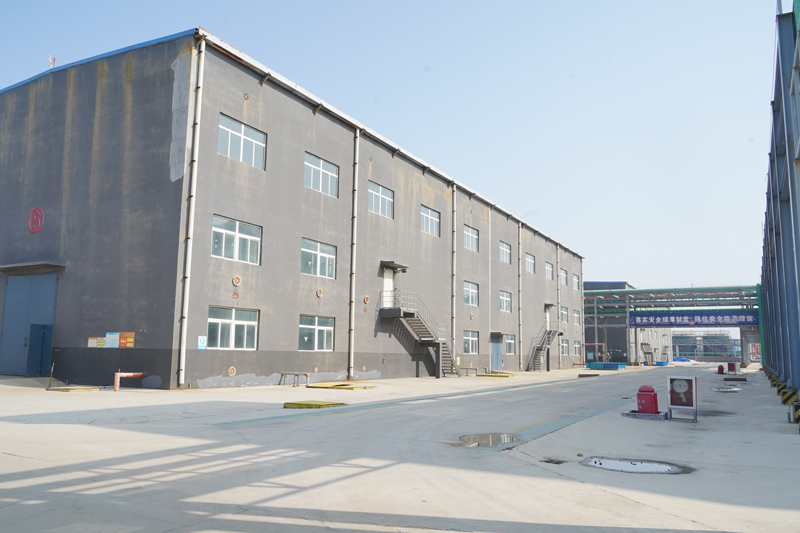
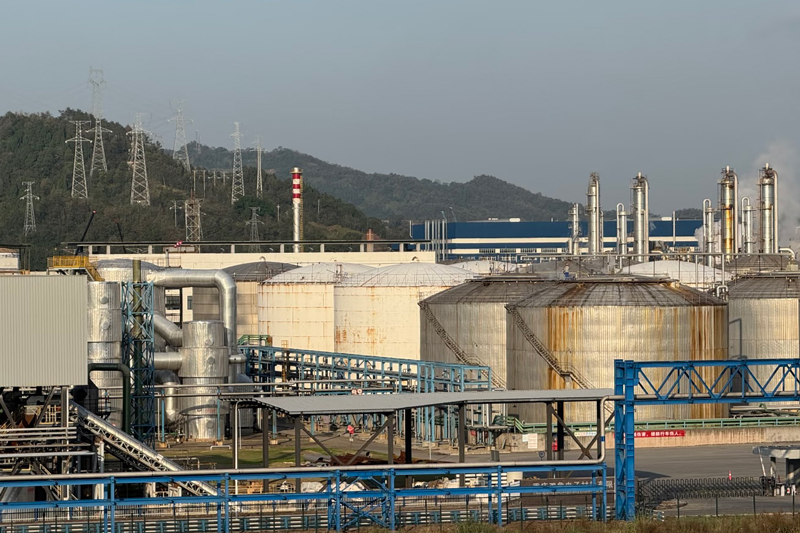
JIMPOCHEM CO., LTD was established in 2010 and is headquartered in the Chemical Industry Park of Jinan City, Shandong Province. The company covers an area of over 500 acres and is a professional chemical raw material manufacturer that integrates research and development, production, sales, and technical services. Its core focus is on high-end fine chemicals and cosmetic raw materials. We have obtained multiple product related certifications, including ISO quality system certification and environmental management system certification, and are committed to providing high-quality chemical products and one-stop procurement service solutions to global customers.
Our core team comprises experts with over 10 years of experience in the chemical industry. This enables us not only to provide professional products but also to offer solutions in product development, formula optimization, and supply chain management, meeting the personalized needs of diverse clients. We provide high-quality products and services, and our products are exported to over 200 countries and regions in Europe, America, Southeast Asia, the Middle East, and Oceania, serving more than 5,000 international companies. We have also established long-term strategic partnerships with many internationally renowned chemical companies, becoming a trusted "designated chemical service provider" for numerous clients.
Implementation guidelines across dermatological therapeutics, consumer skincare formulations, and fine chemical processing across diverse geographical markets.
In North America and Europe, prescription topical creams containing 15% to 20% Azelaic Acid are gold-standard treatments for papulopustular rosacea and acne. Meanwhile, over-the-counter (OTC) serums leverage 10% Azelaic Acid paired with 2-5% Tranexamic Acid for targeted pigment correction. Formulation engineers must optimize vehicle rheology—often utilizing liposomal carriers, micro-emulsions, or polymeric gel networks—to ensure skin penetration without compromising the epidermal stratum corneum barrier.
Across East Asia (Japan, South Korea, China), Tranexamic Acid is widely approved as an active whitening agent in functional cosmetics. Formulators blend pharmaceutical-grade Tranexamic Acid with secondary brightening actives like Ethyl Ascorbic Acid or Ascorbyl Tetraisopalmitate. These multi-active formulas target epidermal hyper-pigmentation caused by environmental stressors, UV exposure, and post-acne scarring.
Beyond personal care, dicarboxylic acids like Azelaic Acid serve as crucial chemical building blocks in polymer synthesis, specialty nylon (Nylon-6,9) production, plasticizers, and high-performance synthetic lubricants. High chemical stability and low volatility make azelaate esters highly sought after for automotive and industrial engineering applications.
Global B2B procurement managers benefit from flexible manufacturing capabilities. Technical teams assist international brands with customized solubility solutions, pre-mixed liquid actives, micronization particle grading, and stable pH-adjusted bulk formulations tailored to strict regional regulatory requirements (such as EU REACH, US FDA monograph, and China NMPA filings).
Explore our extended industrial categories spanning daily chemical ingredients, pharmaceutical excipients, organic intermediates, and fluorinated compounds.
Cosmetics, makeup, perfume, facial cleansers, hand sanitizers, body wash, toothpaste, and high-performance detergents.
Active pharmaceutical ingredients (API), pharmaceutical excipients, synthesis intermediates, specialty solvents, and catalysts.
Semiconductor cleaning agents, printed circuit board (PCB) processing chemicals, display materials, and lithium battery electrolytes.
Addressing critical technical, regulatory, formulation, and commercial questions for enterprise chemical buyers and brand R&D teams.
Complete your sourcing portfolio with our premium quality certified raw materials and fine organic intermediates.
 JIMPOCHEM