Why Choose Medical Soda Lime for Anesthesia?

Time:2026-09-25 Author:Sophia
0%

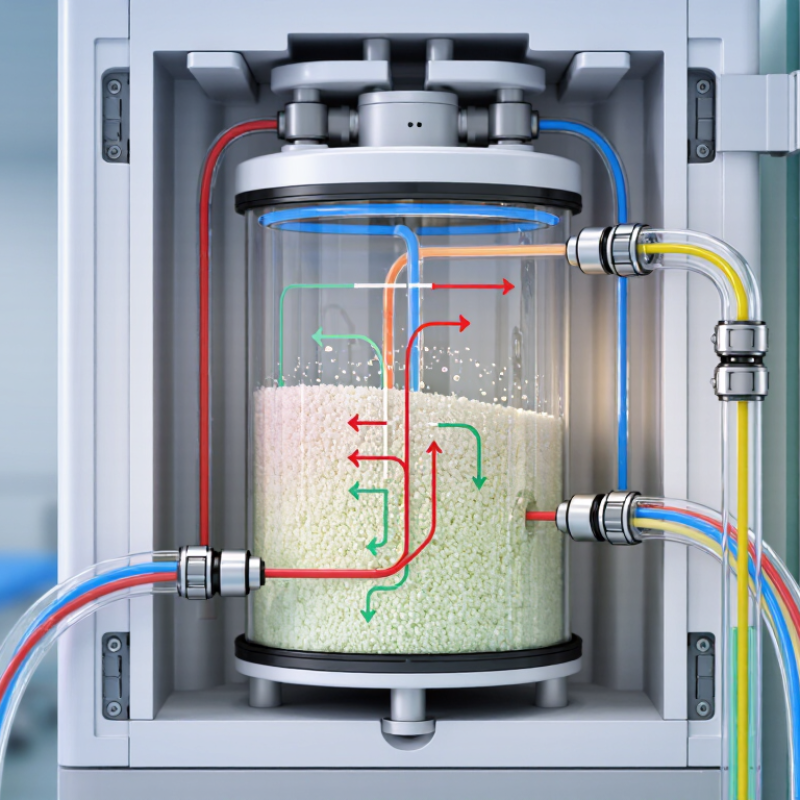
In a circle anesthesia system, exhaled breath carries carbon dioxide that must be removed before gases are rebreathed. Medical Soda Lime serves as a carbon dioxide absorbent within compatible equipment. Its role is practical, but important. A canister may look simple: a clear chamber, pale granules, and visible gas pathways. Yet performance depends on correct loading, airflow, equipment compatibility, and timely replacement. Small details matter.

Choosing an absorbent is not just a matter of price or appearance. Clinicians and purchasing teams should review the product’s intended use, manufacturer instructions, and compatibility with their anesthesia workstation. They should also consider how the absorbent behaves under expected clinical conditions, including moisture and exposure to anesthetic agents. Follow established monitoring and replacement procedures. A color indicator can offer a useful visual clue, but it should not replace clinical monitoring or local protocols. That distinction matters.

Medical Soda Lime supports carbon dioxide control; it does not guarantee safe anesthesia on its own. Reliable care also depends on trained staff, functioning equipment, and careful observation. Product details can vary, so verify specifications rather than relying on assumptions. Even familiar materials deserve a second look. This guide explores why Medical Soda Lime is selected for anesthesia, what features deserve attention, and where careful judgment remains essential.
Why Choose Medical Soda Lime for Anesthesia?

Medical-Grade Formulation: Typically 75–80% Calcium Hydroxide

Medical soda lime is valued for its calcium-hydroxide-rich formulation. In many medical-grade specifications, calcium hydroxide makes up about 75–80% of the absorbent. NCBI PubChem’s soda-lime record also identifies calcium hydroxide as the main ingredient, alongside water and alkali hydroxides. That proportion matters. In an anesthesia breathing circuit, calcium hydroxide reacts with exhaled carbon dioxide, forming calcium carbonate and water. The exact recipe varies, so the percentage alone cannot establish performance.

For clinicians and equipment teams, formulation is one practical detail to check alongside granule size, moisture, and approved device compatibility. A professional anesthesia reference should be consulted for the specific absorbent and circuit, since published specifications can differ. Granules that are too small may increase resistance; overly large pieces may reduce contact area. Real-world use is less tidy than a formulation table. Absorbent condition, packing, and gas flow all influence how efficiently carbon dioxide is removed.

The chemistry is straightforward. The monitoring still matters. Follow the device instructions and monitor inspired carbon dioxide during use; do not judge absorbent condition by color alone. Indicator dyes can change color, but the signal may be uneven or reversible. That is easy to overlook. A 75–80% calcium-hydroxide figure is useful context, not a substitute for checking current technical documentation and clinical monitoring.

CO₂ Capture Chemistry: 1 mol Ca(OH)₂ Reacts with 1 mol CO₂

Why Choose Medical Soda Lime for Anesthesia?

CO₂ Capture Chemistry: 1 mol Ca(OH)₂ Reacts with 1 mol CO₂

In an anesthesia breathing circuit, medical soda lime helps remove carbon dioxide from exhaled gas. Its main reactive component, calcium hydroxide, combines with carbon dioxide to form calcium carbonate and water. The simplified equation is Ca(OH)₂ + CO₂ → CaCO₃ + H₂O. One mole of calcium hydroxide can react with one mole of carbon dioxide. That ratio is useful. It explains the chemistry without promising unlimited absorption.

Real canisters are less tidy than equations. Soda lime granules contain moisture and may include small amounts of other alkaline compounds. Gas moves between the granules, where contact, humidity, and airflow affect how effectively carbon dioxide is captured. A warm canister can reflect the reaction, but warmth alone does not confirm adequate performance. Channeling can also let gas pass through unevenly.

That distinction matters in clinical practice. Staff should follow the anesthesia system’s instructions and monitor inspired carbon dioxide using appropriate equipment. Granule color may provide a visual cue, but it should not replace monitoring or established replacement procedures. The one-to-one molar relationship describes a chemical reaction, not a dependable bedside estimate of canister life. Even this neat chemistry has limits.

Practical Capacity: Many Grades Absorb About 100–150 L CO₂/kg

Why Choose Medical Soda Lime for Anesthesia?

Medical soda lime removes exhaled carbon dioxide in anesthesia breathing systems. Its practical capacity helps estimate how long an absorber may remain effective.

Many grades absorb about 100–150 L of CO₂ per kilogram under specified test conditions. Treat this as a planning range, not a guarantee. Formulation and operating conditions matter.

In use, moisture, temperature, gas flow, and granule condition can affect performance. A kilogram’s stated capacity does not directly predict service time for every patient or procedure. Watch inspired CO₂ readings and the absorber’s indicator, and follow the device instructions and local clinical protocols.

Small details matter. Packing the canister unevenly or overlooking channeling may reduce contact between gas and absorbent. Replace absorbent when monitoring or instructions indicate; color change alone may not tell the whole story.

Tips: Check the canister seal and granule condition during setup. Keep a record of replacement time. If readings rise unexpectedly, assess the circuit and absorber promptly rather than relying on the nominal capacity figure.

Breathing-Circuit Safety: Keep Inspired CO₂ Below 5 mmHg (0.7 kPa)

Medical soda lime helps remove exhaled carbon dioxide in a circle breathing system, allowing gases to be rebreathed. Its condition matters. A practical safety goal is to keep inspired CO₂ below 5 mmHg (0.7 kPa), while following the equipment instructions and clinical protocol. Even a small rise deserves attention.

Inspired CO₂ can increase when absorbent is exhausted, packed unevenly, or bypassed by gas channels. A color change may offer a clue, but it cannot confirm performance on its own. Monitor inspired CO₂ alongside the capnogram and the patient’s breathing. Check the canister seal and circuit connections if readings change. No single check is enough.

Tips: Before use, confirm the correct absorbent and canister fit. Watch for rising inspired CO₂ during anesthesia. If the value approaches or exceeds the target, ask a qualified clinician to assess the circuit and absorbent promptly. Replace material according to its instructions, not color alone. It is easy to miss a gradual change.

Clinical Handling: Monitor Heat, Moisture, Color, and Desiccation Risks

Medical soda lime absorbs exhaled carbon dioxide, but its condition can change during anesthesia. Watch the canister, not just the circuit display. Carbon dioxide absorption releases heat, so a temperature increase may be expected. Yet heat alone cannot confirm effective absorption, and uneven warmth deserves attention. Small details matter.

Moisture supports the absorbent’s function. A very dry canister can increase the risk of carbon monoxide formation with some volatile anesthetics. Avoid leaving absorbent exposed to high fresh-gas flows for prolonged periods when the system is not in use. Follow the equipment instructions and local protocol for replacement and storage. Do not rely on a fixed service time across every case.

Color indicators can help, but they are imperfect. A quick visual check can feel reassuring, but it is not enough. Some indicators may change slowly or show color differences across the canister. Check the full bed for channeling, cracking, dust, or obvious drying, and respond to inspired carbon dioxide according to clinical procedures. If the reading, color, and clinical picture disagree, treat that mismatch seriously. I would not call any single sign definitive. Replace the absorbent when indicated by the device instructions or institutional policy, and document unusual heat, moisture, or color changes.

FAQS

What is medical soda lime mainly made of?

Many medical-grade formulations contain about 75–80% calcium hydroxide. Recipes vary, so check current product documentation.

How does soda lime capture carbon dioxide?

Calcium hydroxide reacts with carbon dioxide, forming calcium carbonate and water. The simplified equation is Ca(OH)₂ + CO₂ → CaCO₃ + H₂O. One-to-one, by moles.

Does that chemical ratio show how long a canister will last?

No. It describes the reaction, not canister life. Humidity, airflow, packing, and gas channeling affect real performance.

What inspired carbon dioxide level is mentioned as a safety goal?

The article gives below 5 mmHg (0.7 kPa) as a practical goal. Follow the equipment instructions and clinical protocol.

Can granule color confirm that the absorbent is still effective?

No. Color can offer a clue, but changes may be uneven or reversible. Monitoring matters more.

What should staff monitor during use?

Monitor inspired carbon dioxide with appropriate equipment. Watch the capnogram and the patient’s breathing, too.

What can cause inspired carbon dioxide to rise?

Exhausted absorbent, uneven packing, or gas bypassing the granules can contribute. Check the canister seal and circuit connections if readings change.

Does a warm canister prove that carbon dioxide removal is adequate?

No. Warmth can reflect the reaction, but it does not confirm performance. It’s an easy detail to misread.

Conclusion

Medical Soda Lime is formulated to remove carbon dioxide from anesthesia breathing circuits. Medical-grade products typically contain 75–80% calcium hydroxide, which reacts with carbon dioxide in a roughly 1:1 molar ratio. Depending on the grade and operating conditions, one kilogram may absorb about 100–150 liters of carbon dioxide. These figures are practical estimates, not guarantees, so the product’s specifications and clinical instructions should guide use.

Safe performance also depends on careful handling and monitoring. Inspired carbon dioxide should be kept below 5 mmHg (0.7 kPa), with circuit readings checked as appropriate. Track the absorbent’s moisture and color indicators, and watch for excessive heat or drying, since desiccation can affect performance and may create additional risks. Replace the absorbent in accordance with established clinical procedures and the manufacturer’s instructions.

Sophia

Sophia

Sophia is a dedicated marketing professional with an exceptional depth of knowledge about her company's products and services. With a keen understanding of market trends and customer needs, she crafts insightful blog posts that not only inform but also engage readers, enriching the company’s online......