What Are Cosmetic Raw Materials?

Time:2026-10-10 Author:Madeline
0%

Cosmetic Raw Materials are the working components behind every cream, cleanser, serum, and color product. They influence texture, stability, safety, appearance, and skin feel. Water may create the base. Emulsifiers help oil and water remain blended. Preservatives protect products from microbial growth. Humectants attract moisture, while pigments create visible color. Each material has a specific role, but performance depends on concentration, processing, packaging, and compatibility.

Cosmetic chemist Perry Romanowski offers a useful reminder: “There is no such thing as a natural cosmetic.” The statement challenges a common assumption. Plant-derived ingredients can still oxidize, irritate, or vary between harvests. Synthetic materials are not automatically unsafe. Evidence matters more than marketing language. A reliable evaluation should examine the ingredient’s INCI name, purity profile, supplier documentation, allergen information, and safety data. It should also consider the finished formula, not one isolated ingredient.

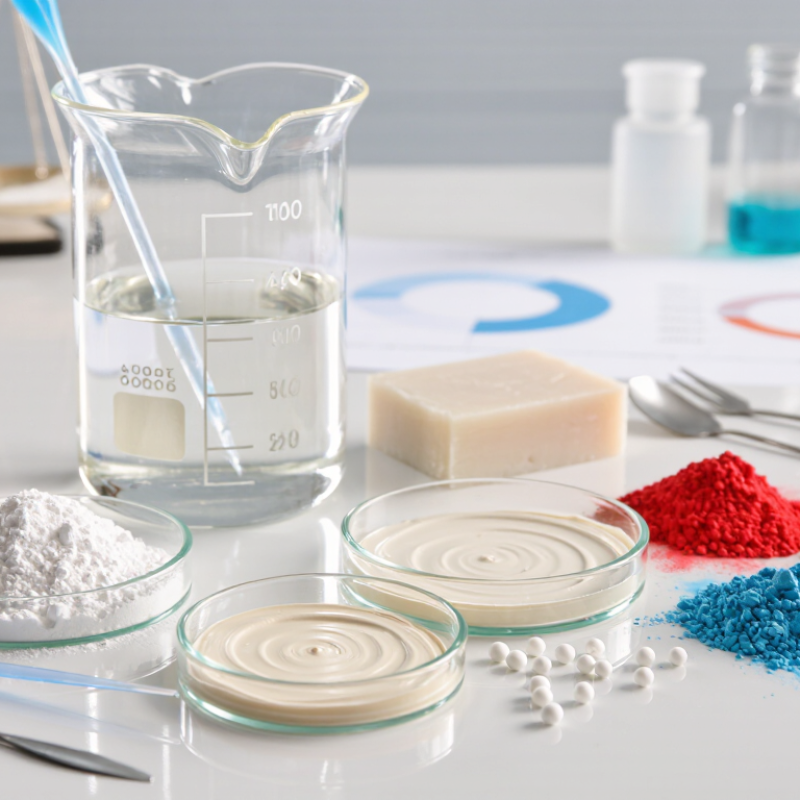
In practical development, a formulator may inspect a pale powder, measure its odor, and compare its certificate of analysis against laboratory results. Small differences can affect viscosity or color. Stability testing may reveal separation after several weeks at elevated temperature. Microbiological testing can expose risks that appearance cannot show. These details require documented experience and controlled methods.

The subject is not perfectly simple. “Clean,” “natural,” and “active” can sound persuasive, yet they lack universal meaning. A better approach asks precise questions. Where was the material sourced? How consistent is each batch? What evidence supports its intended use? Cosmetic Raw Materials deserve careful judgment, not exaggerated promises.
What Are Cosmetic Raw Materials?

Definition and Scope of Cosmetic Raw Materials

What Are Cosmetic Raw Materials?

Definition and Scope of Cosmetic Raw Materials

Cosmetic raw materials are the individual substances used to make personal care products. They may include purified water, oils, waxes, humectants, surfactants, thickeners, pigments, fragrances, and functional ingredients. Some come from plants or minerals, while others are manufactured or produced through biotechnology. The term describes ingredients before they become part of a finished cream, cleanser, shampoo, or lotion. That distinction matters.

The scope is broader than a simple ingredient list. It includes each material’s identity, purity, physical properties, intended function, and compatibility with other ingredients. A formulator may study particle size, melting point, solubility, odor, color, and skin feel. Quality documents, such as specifications, safety data, certificates of analysis, and traceability records, also belong to this professional scope. Testing may involve microbiological checks, stability observations, and contamination controls.

Classification can become blurry. One raw material may moisturize, thicken, and improve texture at the same time. Natural origin does not automatically mean safer, and synthetic origin does not automatically mean harmful. Practical assessment requires evidence, suitable testing, and attention to the product’s intended use. Requirements can also differ between markets, product categories, and concentrations. A reliable decision should consider the material, the formula, the manufacturing process, and the available technical data. Mistakes still happen when appearance replaces verification.

Main Categories Used in Cosmetic Formulations

What Are Cosmetic Raw Materials?

Main Categories Used in Cosmetic Formulations

Cosmetic raw materials are the working parts of a formulation. Each ingredient has a purpose, from improving texture to supporting product stability. Emollients soften the skin and create a smooth, spreadable feel. Humectants attract water and help reduce dryness. Occlusive materials form a protective layer that slows moisture loss. The right balance matters. Too much oil can feel heavy, while excess humectant may feel sticky.

Surfactants remove oil, dirt, and particles from skin or hair. Emulsifiers help oil and water remain blended instead of separating in the package. Thickeners control viscosity, so a cleanser pours properly and a cream stays on the skin. Preservatives protect water-based products from harmful microbial growth. Solvents, often including purified water, help dissolve or distribute other materials. Small amounts of colorants and fragrances can influence appearance and sensory experience, but they need careful evaluation.

Active ingredients are selected for specific cosmetic benefits, such as improving skin feel or supporting a brighter appearance. Their performance depends on concentration, pH, packaging, and storage conditions. I have seen formulas that looked excellent during mixing but changed after several weeks. That experience is a useful warning. Appearance alone proves little. Reliable development requires supplier documentation, ingredient identity checks, stability testing, and safety assessment by qualified professionals. Even a familiar raw material can behave differently in a new formula. Testing must continue.

Functions of Cosmetic Raw Materials in Products

What Are Cosmetic Raw Materials?

Functions of Cosmetic Raw Materials in Products

Cosmetic raw materials give products their texture, stability, appearance, and performance. Water may dissolve ingredients and create a lighter feel. Oils can soften skin and reduce moisture loss. Emulsifiers help water and oil remain blended. Without them, a cream may separate in a warm bathroom.

Preservatives control microbial growth when products contain water. Humectants, such as glycerin, attract moisture to the skin’s surface. Thickeners adjust flow, helping a cleanser stay in the palm instead of running away. Colorants and fragrances support sensory appeal, but they are not automatically essential. McKinsey’s 2023 beauty market analysis projected global beauty sales could reach about USD 580 billion by 2027. Cosmetics Europe reported approximately €96 billion in European cosmetics and personal care sales during 2023. These figures show why ingredient performance, safety, and consistency matter across large product volumes.

However, “natural” does not always mean safer or more effective. Ingredient function can also change with concentration, pH, packaging, and skin type. I have seen formulations look excellent in a sample jar, then lose viscosity during stability testing. That failure is useful evidence, not an embarrassment. ISO 22716 offers good manufacturing practice guidance, while safety reviews and controlled testing support more reliable decisions.

Tips: Check each ingredient’s purpose, concentration range, and compatibility. Test heat, light, and storage changes. Do not judge performance from appearance alone. Keep supplier documents and batch records traceable.

Safety, Quality, and Regulatory Requirements

Cosmetic raw materials are the functional building blocks of creams, cleansers, serums, and color products. Their safety begins before formulation. A qualified supplier should provide an accurate INCI name, specification sheet, Certificate of Analysis, and Safety Data Sheet. These documents help confirm identity, purity, storage conditions, and possible hazards.

Quality also depends on testing and traceability. Experienced formulators check microbial limits, heavy metals, allergens, residual solvents, and stability data when relevant. Each batch should have a clear lot number and documented manufacturing history. Good manufacturing practices, including controlled temperature and hygienic handling, reduce avoidable risks. However, a specification is not a guarantee. Testing plans must match the ingredient’s use, concentration, and exposure route.

Tips: Review supplier qualifications regularly. Compare test methods, not only reported values. Keep retain samples when practical. Check whether the material remains stable after transport. Regulatory requirements differ by market, so confirm permitted uses, labeling rules, restricted substances, and safety assessment duties before sale. Product claims also need evidence; “gentle” or “natural” can still mislead without clear support. Small documentation gaps may seem harmless, but they can weaken recall readiness and consumer trust. A careful review is sometimes slower, yet it often reveals problems that routine approval misses.

How Cosmetic Raw Materials Are Selected and Processed

What Are Cosmetic Raw Materials?

How Cosmetic Raw Materials Are Selected and Processed

Cosmetic raw materials are the functional building blocks of a formula. They may include oils, waxes, humectants, emulsifiers, pigments, preservatives, and botanical extracts. Each material must suit the product’s purpose, skin feel, stability, and intended use.

Selection begins with documented evidence. Formulators review the supplier’s specification, certificate of analysis, allergen information, and traceability records. They also examine purity, odor, color, particle size, and contamination risks. A pale powder may look ideal, yet microscopy can reveal uneven particles. That detail can affect texture and application. Safety data and applicable cosmetic regulations must guide every decision. “Natural” does not automatically mean gentle or suitable.

Processing requires controlled conditions. Oils may need filtration, deodorization, or careful heating. Waxes are melted gradually to prevent scorching. Powders are often sieved and dispersed to reduce clumping. Botanical materials may require extraction, concentration, and microbial testing. Samples are then checked through stability studies, compatibility tests, and small pilot batches. The formula may separate after several weeks, even when the first sample looks perfect. No checklist is perfect.

Practical experience also matters. A raw material can perform differently between lots, seasons, or storage conditions. Good documentation helps identify those changes. Still, I would not treat paperwork as proof of flawless quality. Independent testing, clear specifications, and honest review remain necessary before production.

What Are Cosmetic Raw Materials? - How Cosmetic Raw Materials Are Selected and Processed
Raw Material Category Representative Material Typical Source Primary Cosmetic Function Key Selection Criteria Common Processing Steps Important Quality Checks Typical Product Applications
Emollients Caprylic/Capric Triglyceride Vegetable-derived fatty acids combined with glycerin Softens the skin, improves spreadability, and reduces a heavy or greasy feel Skin feel, oxidative stability, compatibility with emulsifiers, purity, and sensory performance Processing
Esterification, purification, filtration, and deodorization when required
Acid value, saponification value, moisture, color, odor, viscosity, and oxidation indicators Face creams, body lotions, sunscreens, makeup, cleansing oils, and hair conditioners
Humectants Glycerin Plant oils, animal fats, or synthetic production; cosmetic grades are commonly purified extensively Attracts and helps retain water in the outer layers of the skin Purity, water content, tackiness, odor, compatibility, and suitability for the intended skin feel Processing
Hydrolysis or transesterification followed by concentration, distillation, and filtration
Assay, water content, specific gravity, color, odor, residue on ignition, and impurities Moisturizers, cleansers, serums, toothpaste, hair products, and makeup
Occlusive Agents Petrolatum Highly refined mineral-derived hydrocarbon mixture Forms a protective barrier that limits transepidermal water loss Degree of refinement, texture, purity, odor, color, and regulatory acceptability Processing
Refining, decolorization, filtration, blending, and controlled cooling
Polycyclic aromatic hydrocarbon limits, color, odor, consistency, melting range, and microbial quality Barrier creams, ointments, lip products, protective balms, and dry-skin formulations
Emulsifiers Glyceryl Stearate Glycerin and stearic acid, usually from vegetable or other approved fatty-acid sources Helps stabilize oil-in-water emulsions and contributes to texture and skin conditioning Required emulsion type, HLB behavior, melting profile, sensory properties, and compatibility Processing
Esterification, neutralization or purification, drying, milling, and particle-size control
Acid value, saponification value, free glycerin, melting range, moisture, and appearance Moisturizers, lotions, sunscreens, makeup, and hair conditioners
Surfactants Sodium Cocoyl Isethionate Fatty acids derived from coconut or similar plant oils combined with isethionic acid Cleansing, foam generation, and dispersion of oils and soil in water Mildness, cleansing strength, foam profile, biodegradability profile, particle size, and formulation compatibility Processing
Esterification, neutralization, drying, extrusion or granulation, and sieving
Active matter, free fatty acid, moisture, pH of dispersion, particle size, color, and microbial quality Solid cleansing bars, facial cleansers, body washes, and shampoo bars
Thickeners and Rheology Modifiers Xanthan Gum Fermentation-derived polysaccharide produced by microorganisms using carbohydrate feedstocks Increases viscosity, suspends particles, and improves formula stability Viscosity efficiency, hydration rate, electrolyte tolerance, sensory profile, and microbial safety Processing
Fermentation, heat treatment, filtration, alcohol precipitation, drying, milling, and sieving
Viscosity, moisture, ash, particle size, microbial limits, heavy metals, and identity testing Gels, lotions, creams, masks, cleansers, and toothpaste
Film Formers PVP/VA Copolymer Synthetic copolymer of vinylpyrrolidone and vinyl acetate Creates a flexible film that provides hold, binding, or wear improvement Film strength, flexibility, humidity resistance, solubility, compatibility, and sensory properties Processing
Controlled polymerization, removal of residual monomers, drying, and particle-size adjustment
Residual monomers, molecular-weight distribution, solids content, viscosity, moisture, and appearance Hair sprays, styling gels, mascara, color cosmetics, and long-wear products
Preservatives Phenoxyethanol Synthetic aromatic ether alcohol Helps control the growth of bacteria, yeast, and mold in water-containing products Permitted use level, broad-spectrum performance, pH compatibility, odor, solubility, and formula interactions Processing
Chemical synthesis, distillation, filtration, and controlled packaging
Assay, purity, water content, color, odor, residual impurities, and preservative efficacy in the finished product Emulsions, cleansers, shampoos, makeup, and other aqueous or water-containing products
Antioxidants Tocopherol Natural sources such as vegetable oils or controlled synthesis Helps protect oils from oxidation and provides skin-conditioning benefits Isomer composition, antioxidant effectiveness, color, odor, oil compatibility, and stability Processing
Recovery or synthesis, purification, concentration, filtration, and protection from oxygen and light
Assay, peroxide value, acid value, color, odor, moisture, and stability during storage Face oils, creams, lip products, sunscreens, hair oils, and makeup
Colorants Iron Oxides Purified mineral-derived or synthetically produced iron oxide pigments Provides red, yellow, brown, or black color and improves product coverage Shade consistency, particle size, purity, dispersibility, light stability, and regulatory status Processing
Precipitation or controlled production, washing, drying, milling, classification, and surface treatment when needed
Color strength, particle-size distribution, heavy metals, oil absorption, moisture, and microbiological quality Foundations, powders, concealers, eyeshadows, lip products, and colored sunscreens
UV Filters Zinc Oxide Mineral compound produced from refined zinc sources Absorbs, reflects, and scatters ultraviolet radiation in sunscreen formulations Particle size, dispersion, photostability, purity, skin feel, regulatory requirements, and inhalation considerations Processing
Controlled precipitation or vapor-phase production, calcination, milling, coating, and dispersion
Assay, particle-size distribution, heavy metals, crystal form, dispersion quality, and microbiological quality Mineral sunscreens, daily moisturizers with UV protection, lip balms, and protective creams
Botanical Extracts Aloe Barbadensis Leaf Extract Leaves of aloe plants processed into an aqueous, powdered, or solvent-based extract Provides skin-conditioning and soothing properties, depending on composition and concentration Botanical identity, cultivation controls, extraction solvent, marker compounds, contaminants, and stability Processing
Sorting, washing, cutting, extraction, filtration, concentration or drying, and standardized blending
Identity, marker compounds, pesticide residues, heavy metals, microbial limits, residual solvents, and stability After-sun products, lotions, gels, masks, cleansers, and scalp-care products
Proteins and Hydrolysates Hydrolyzed Wheat Protein Wheat protein broken into smaller water-soluble peptide fractions Forms a conditioning film and supports the feel and manageability of hair Degree of hydrolysis, solubility, protein profile, allergen management, odor, and compatibility Processing
Protein extraction, enzymatic or acid hydrolysis, neutralization, filtration, concentration, and drying
Protein or nitrogen content, molecular-weight distribution, residual solvents, microbial limits, and allergen controls Shampoos, conditioners, hair masks, styling products, and some skin-care formulas
Solvents Propylene Glycol Synthetic glycol produced from petrochemical or bio-based feedstocks Dissolves ingredients, supports uniform distribution, and contributes humectant properties Purity, solvency, odor, water content, skin tolerance, and compatibility with packaging Processing
Controlled synthesis, distillation, purification, and moisture-controlled packaging
Assay, water content, acidity, specific gravity, color, odor, and residual impurities Serums, deodorants, fragrances, makeup, cleansers, and hair products
Chelating Agents Disodium EDTA Synthetic aminopolycarboxylic acid salt Binds trace metal ions and helps improve formula stability and preservative performance Purity, compatibility, required pH range, concentration, and interaction with other ingredients Processing
Chemical synthesis, neutralization, crystallization, drying, and particle-size control
Assay, pH, water content, heavy metals, appearance, and identity Shampoos, cleansers, creams, lotions, liquid soaps, and makeup removers

FAQS

What are cosmetic raw materials?

They are the functional building blocks of creams, cleansers, serums, and color products. Each material serves a specific purpose. Texture matters.

What do emollients, humectants, and occlusive materials do?

Emollients soften skin and improve spreadability. Humectants attract water and help reduce dryness. Occlusive materials slow moisture loss by forming a protective layer.

Why must these moisturizing materials be balanced?

Too much oil may feel heavy on the skin. Excess humectant can feel sticky. A smooth formula is not always a balanced formula.

What roles do surfactants, emulsifiers, and thickeners perform?

Surfactants remove oil, dirt, and particles. Emulsifiers keep oil and water blended. Thickeners control whether a cleanser pours or a cream stays in place.

Why are preservatives and solvents used?

Preservatives help protect water-based products from harmful microbial growth. Solvents, including purified water, dissolve or distribute other materials. Their suitability requires testing.

How should active ingredients be evaluated?

Their performance depends on concentration, pH, packaging, and storage conditions. A serum may look perfect during mixing, then change after several weeks.

What supplier documents should be reviewed?

Review the INCI name, specification sheet, Certificate of Analysis, and Safety Data Sheet. These documents help confirm identity, purity, storage, and possible hazards.

What quality checks support safer cosmetic formulation?

Check microbial limits, heavy metals, allergens, residual solvents, and stability data when relevant. Track each batch with a lot number and manufacturing history.

Why is stability testing necessary?

A familiar raw material can behave differently in a new formula. Test appearance, performance, and stability after transport and storage. Appearance proves little.

Conclusion

Cosmetic Raw Materials are the basic substances used to create personal care and beauty products. They may include water, oils, waxes, emollients, humectants, surfactants, thickeners, colorants, fragrances, preservatives, and functional ingredients. Each category serves a specific purpose, such as moisturizing the skin, improving texture, supporting cleansing, maintaining product stability, or enhancing appearance. Together, these materials determine a product’s feel, performance, shelf life, and overall user experience.

Selecting cosmetic raw materials requires careful attention to safety, purity, consistency, compatibility, and intended use. Manufacturers typically evaluate ingredient quality, sourcing information, technical specifications, and applicable regulatory requirements before approving a material. Processing may involve purification, filtration, blending, drying, or other controlled steps designed to maintain stability and reduce contamination risks. Proper testing and documentation are also essential to confirm that the finished formulation meets established quality standards and is suitable for its intended cosmetic application.

Madeline

Madeline

Madeline is a dedicated marketing professional with a wealth of expertise in our company's core offerings. With a keen understanding of the industry, she brings a unique perspective to her role, consistently delivering high-quality content that highlights the superior aspects of our products. As......