Global buyers entering the 2026 market need more than a long supplier directory. They need dependable evidence, clear specifications, and practical delivery information. This guide examines leading Soda Lime Absorbent suppliers through technical performance, manufacturing experience, quality systems, and international service capability. It considers moisture content, particle size, carbon dioxide absorption capacity, color indicators, packaging, and shelf-life controls. These details matter when products must perform consistently inside medical, laboratory, industrial, or environmental systems.
Reliable suppliers should provide current certificates of analysis, safety data sheets, batch traceability, and documented production procedures. Independent testing can strengthen confidence, especially when purchasing across unfamiliar markets. Buyers should also review production capacity, minimum order quantities, export packaging, lead times, and communication standards. A competitive price means little if pallets arrive damaged or specifications change without notice. Small details matter.
This overview does not treat every supplier as equally suitable. Regional logistics, technical requirements, and local procurement rules can change the final decision. The market is not perfectly transparent, and published information may become outdated. That limitation deserves attention. A supplier with strong laboratory results may still struggle with urgent shipments or after-sales support. Conversely, a smaller manufacturer may offer closer technical cooperation. Careful buyers should compare verified documents, request recent samples, and evaluate performance under real operating conditions. The best choice is rarely the loudest name. It is the supplier that combines proven quality, responsible communication, stable capacity, and evidence-based service for the buyer’s specific application.
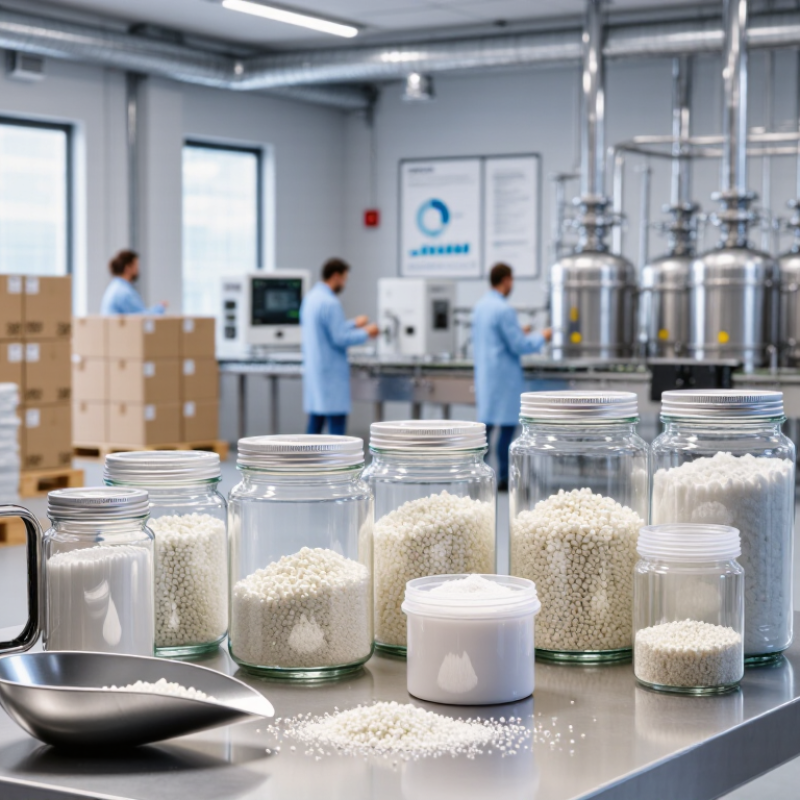
Soda lime is a granular carbon dioxide absorbent, commonly used in closed or semi-closed breathing circuits. It typically contains calcium hydroxide, with small amounts of alkali hydroxides and water. As exhaled gas passes over the granules, a chemical reaction captures carbon dioxide and helps limit rebreathing. It matters. Uneven packing, channeling, or depleted material can reduce contact with the gas, even when the canister still looks usable. In 2026, buyers should assess consistent granule size, low dust, documented performance, and clear replacement guidance—not price alone.
The broader context is significant, though soda lime is not a climate solution. The IPCC’s 2023 Synthesis Report estimated global net human-caused greenhouse gas emissions at about 59 billion tonnes of CO2-equivalent in 2019. That figure underscores why accurate gas management matters across industries. In clinical equipment, however, the immediate concern is patient safety and reliable carbon dioxide removal. Indicator color can help, but it should not replace equipment checks or the manufacturer’s service instructions. A small oversight can matter.
Tip: Ask suppliers for batch traceability, safety data sheets, dust specifications, and performance test methods. Compare results under stated conditions; figures without test details are hard to judge. Also review storage requirements, since moisture loss can affect absorbent performance. No specification tells the whole story. A practical evaluation should include packaging integrity and how the material behaves during routine use.
2026 Top Soda Lime Absorbent Suppliers for Global Buyers?
Key Factors for Evaluating Global Soda Lime Suppliers
Global buyers should assess soda lime suppliers through repeatable batch evidence, not polished brochures. Ask for a current certificate of analysis showing moisture, granule size, hardness, fines, and carbon-dioxide capacity. These properties affect airflow and breakthrough time in the intended system. Request test methods, lot numbers, shelf-life data, and sealed-packaging details. Small checks matter. A strong average can still hide variation between batches, so compare records from several recent lots. Confirm that safety documents and quality-system records match the exact grade and production site.
Logistics deserve equal scrutiny. The World Bank’s 2023 Logistics Performance Index assessed 139 economies across six areas, including customs, infrastructure, tracking, and timeliness. It measures national logistics, not absorbent quality; treat it as context, not a supplier score. Ask suppliers for recent on-time delivery records, export-packaging specifications, and a clear plan for port delays. For clinical or industrial use, validate CO₂ breakthrough and heat behavior under your own operating conditions before changing grades. Paper certificates can reassure. They cannot replace testing. Even a careful shortlist can miss something.
| Evaluation Factor | What Buyers Should Check | Useful Evidence to Request | Why It Matters |
|---|---|---|---|
| Intended application and grade | Confirm that the product is specified for the intended use, such as anesthesia equipment, respiratory devices, or a defined industrial gas-treatment process. | Product specification, intended-use statement, and compatibility guidance for the buyer’s equipment or process. | Formulations and performance requirements vary by application; a product suited to one use should not be assumed suitable for another. |
| Chemical composition | Review the declared composition and the stated ranges for calcium hydroxide, alkali hydroxides, and water content. | Current technical data sheet and lot-specific certificate of analysis, where available. | Soda lime is a formulated absorbent. Composition can affect absorption behavior, handling, and compatibility. |
| Carbon dioxide absorption performance | Compare test methods, test conditions, and reported capacity rather than relying on a capacity figure without its testing context. | Performance data identifying the test method, gas conditions, sample preparation, and endpoint used. | Absorption results depend on test conditions, including gas flow, humidity, and the definition of breakthrough or exhaustion. |
| Particle size and physical form | Check granule size range, shape, fines content, and whether the material is supplied in the form required by the equipment. | Particle-size distribution, product specification, and representative packaging or sample. | Particle size and fines can influence airflow resistance, dust generation, and packing behavior in a canister or process bed. |
| Moisture control and storage | Review moisture specifications, packaging barrier properties, storage conditions, and the product’s stated shelf life. | Packaging description, storage instructions, moisture specification, and date or lot coding details. | Water participates in carbon dioxide absorption. Exposure to unsuitable storage conditions can affect product condition and performance. |
| Indicators and product additives | Determine whether a color indicator or other additive is included, and confirm its intended role and limitations. | Composition disclosure, indicator instructions, and safety information for the supplied formulation. | Indicators can help signal changes in the absorbent but should not replace the equipment maker’s instructions or appropriate replacement procedures. |
| Quality consistency and traceability | Ask how production lots are identified, tested, released, and managed when a quality issue is reported. | Lot traceability information, quality-control outline, and sample certificates of analysis. | Consistent specifications and traceable lots support incoming inspection, investigation, and supply continuity. |
| Safety and regulatory documentation | Check that documentation matches the destination market and intended application; confirm applicable requirements with the buyer’s regulatory team. | Current safety data sheet, technical data sheet, labels, and application-specific conformity documents where applicable. | Soda lime contains alkaline components that can cause irritation or burns. Handling, labeling, and regulatory obligations depend on the product and market. |
| Packaging and transport | Compare pack sizes, closure and moisture protection, pallet configuration, shipping options, and export documentation capability. | Packaging specifications, available pack formats, transport guidance, and sample export-document checklist. | Packaging affects protection during storage and transit; transport and import requirements vary by route and jurisdiction. |
| Supply capacity and lead time | Assess available production capacity, routine lead times, order minimums, and arrangements for demand changes. | Written quotation, lead-time estimate, production or allocation plan, and order terms. | Clear capacity and delivery commitments help buyers plan inventory and reduce the risk of interruptions. |
| Technical support and issue handling | Ask how product questions, complaints, and suspected performance issues are reviewed and escalated. | Technical support contacts, complaint procedure, and requested information for product investigations. | Timely technical communication helps buyers assess operating conditions and resolve quality or compatibility concerns. |
| Total landed cost | Compare price alongside freight, insurance, duties, packaging, order minimums, and any required testing or qualification costs. | Itemized quotation with delivery terms, quote validity, and any additional charges. | The purchase price alone does not represent the complete delivered cost or the cost of qualifying a product for use. |
International buyers should assess suppliers on consistency, documentation, and practical shipping capability. Ask for a current certificate of analysis, safety data sheet, and clear product specifications. Check granule size, moisture limits, packaging, and any indicator features against your equipment requirements. These details affect handling and performance. Details matter. A supplier should explain how batches are tested and how complaints are addressed. If answers remain vague, keep comparing.
Tips: Request a sample and review its packaging on arrival. Confirm the product’s shelf life, storage conditions, lead time, and export paperwork before placing a large order. Ask how the supplier protects sealed containers from moisture during transit. Small checks help.
Price can be tempting, but the lowest quote may not reflect freight, minimum order quantities, or replacement terms. Compare total landed cost and ask whether specifications remain consistent across repeat orders. Verify technical claims with documents, and check requirements with your equipment provider where needed. A polished website is not proof of reliable supply. It is worth slowing down here; buyers can overvalue a quick quote and overlook an unclear batch record. Good sourcing depends on evidence, not promises.
Global buyers should assess soda lime absorbents by verified performance, not catalog descriptions alone.
Ask suppliers for current technical data, batch certificates, and clear test methods. Useful checks include carbon dioxide absorption capacity, moisture range, particle-size distribution, hardness, and dust generation. Small differences matter.
Packaging protects the material before it reaches its destination.
Confirm that inner liners resist moisture and are sealed, while outer cartons withstand stacking and routine handling. Each pack should show its lot number, net weight, production date, and storage guidance. Keep records.
For larger orders, request pallet dimensions and a packing list before freight booking. This can prevent receiving delays.
Supply capability means more than a quoted monthly volume.
Check lead-time variability, minimum order quantities, export documents, and how suppliers communicate shortages. Ask whether samples can be tested using the same acceptance criteria as routine shipments.
A low price may be offset by inconsistent granule strength or excess fines, which can increase changeovers and waste.
No checklist removes every risk. Recheck specifications after formulation or packaging changes, and retain a reference sample where practical.
When selecting a soda lime absorbent supplier, start with the application, not the lowest quote. Anesthesia circuits, laboratory scrubbers, and industrial systems can require different CO₂ capacity, moisture levels, dust limits, and granule strength. Ask for test methods, batch-specific certificates, shelf-life data, and performance results under conditions close to your own. Small details matter. Fine dust can increase resistance, while fragile granules may break during transport or loading. Request particle-size and abrasion data, not just a headline capacity figure. Check whether packaging protects the product’s moisture balance during shipping and storage.
A 2015 Lancet analysis by Weiser and colleagues estimated 312.9 million surgical procedures worldwide in 2012. This is not a soda lime market forecast, but it illustrates the scale and varied conditions of anesthesia demand. Compare suppliers on documented acceptance ranges, batch traceability, complaint handling, and change-control procedures. For medical-device applications, ask how the supplier’s quality system aligns with ISO 13485. Request samples and run a pilot using your actual canister, airflow, humidity, and replacement interval. Paperwork helps, but it cannot fully reproduce field use. One assumption may still need testing.
Molar mass of common soda-lime absorbent constituents (g/mol). These are chemical reference values, not supplier performance rankings.
When comparing suppliers, confirm the product’s composition and application-specific specifications, including CO₂ absorption capacity, moisture content, granule size, dust level, and relevant safety documentation.
Request a current certificate of analysis, test methods, lot numbers, shelf-life data, and sealed-packaging details.
Check moisture, granule size, hardness, fines, dust generation, and carbon-dioxide absorption capacity.
One strong average can mislead.
Confirm moisture-resistant inner liners and outer cartons that tolerate stacking and routine handling.
Review recent on-time delivery records, lead-time variation, minimum order quantities, and export documents.
Request pallet dimensions and a packing list before booking freight.
Test samples using the same acceptance criteria planned for routine shipments.
Not always.
National logistics rankings provide background on customs, infrastructure, tracking, and timeliness.
Retain a reference sample and recheck specifications after formulation or packaging changes.
In 2026, Soda Lime Absorbent remains an important material for removing carbon dioxide and selected acidic gases in medical, laboratory, industrial, and environmental applications. Its performance depends on factors such as absorption capacity, moisture balance, granule size, dust control, chemical consistency, and safe handling characteristics. For global buyers, evaluating suppliers requires more than comparing prices. Buyers should review product specifications, quality-control procedures, certifications, production stability, export experience, technical support, and responsiveness to different application requirements.
A reliable supplier should provide clear documentation, secure packaging, consistent batch quality, and sufficient capacity for both routine orders and large-scale demand. Packaging formats should protect the absorbent from moisture and contamination during storage and international transportation. Selecting the right partner means matching the product’s formulation and performance with the intended equipment, operating conditions, safety expectations, and delivery schedule. By using a structured evaluation process, international purchasers can reduce supply risks, improve operational efficiency, and establish a dependable long-term sourcing strategy.

JIMPOCHEM